Sourcing alternating current motor validation systems represents a high-stakes challenge for modern automated production facilities. When procurement managers select equipment to verify industrial compressors, water pumps, or ventilation fans, a single processing error can stall factory operations. Consequently, international technical directors look beyond initial capital costs to audit the technical depth of their equipment suppliers. Sourcing teams need to find an experienced Industrial AC Motor Testing Equipment Manufacturer capable of handling severe industrial stress patterns. Evaluating a potential vendor requires a rigorous, data-driven audit of structural and software capabilities rather than relying on basic marketing brochures. To achieve total quality confidence, modern supply chains require clear engineering benchmarks that guarantee absolute diagnostic accuracy over long lifecycles. Operations executives face severe risks when deploying unstable instrumentation on high-volume production floors. Therefore, implementing a standardized procurement evaluation protocol eliminates operational uncertainty and protects baseline investments from unexpected testing downtime. This systematic verification process ensures that every testing installation functions flawlessly within modern, high-speed manufacturing environments.

Metric 1: R&D Strength – Professionalism and precision in Testing
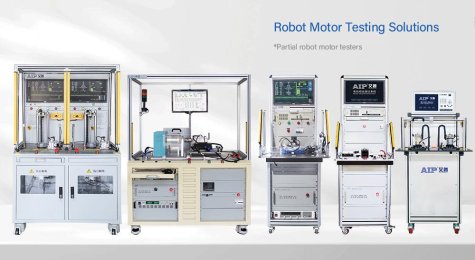
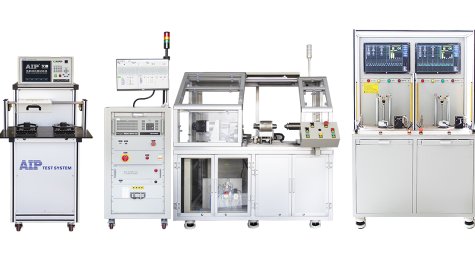
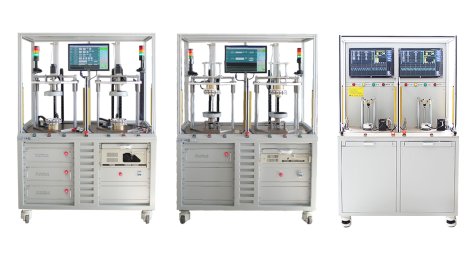
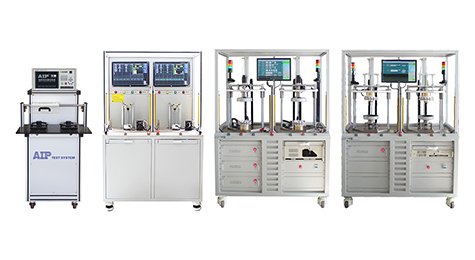
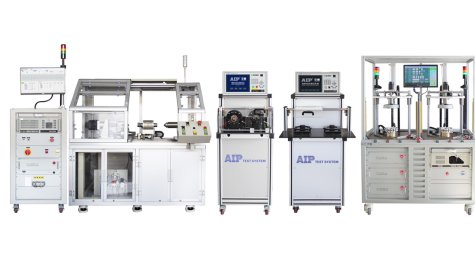
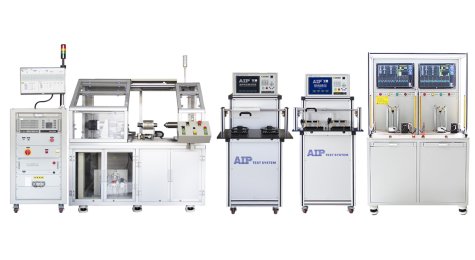
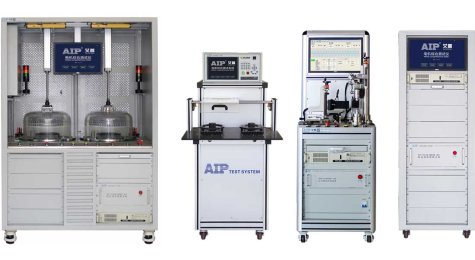
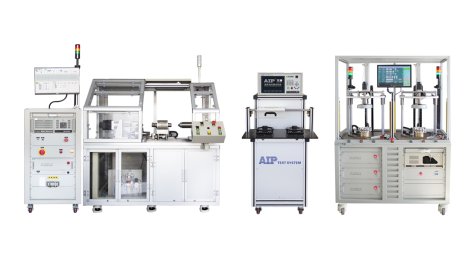
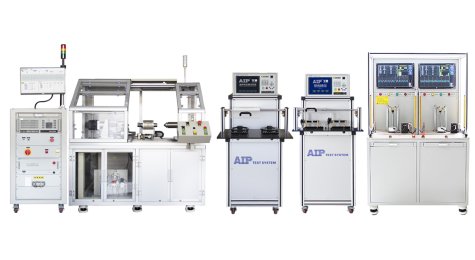
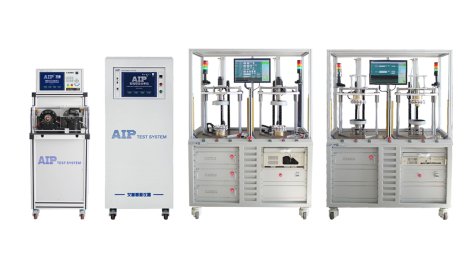
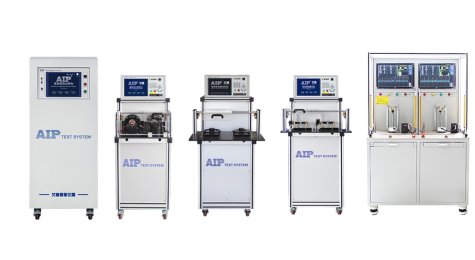
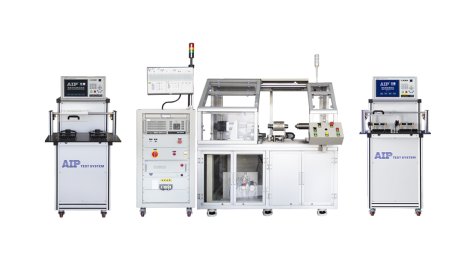
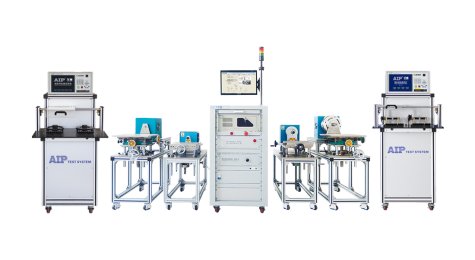
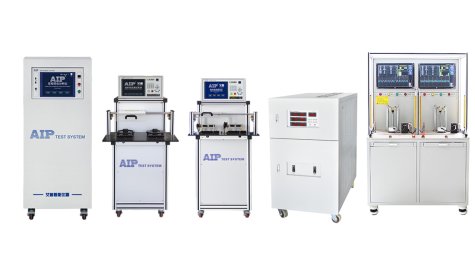
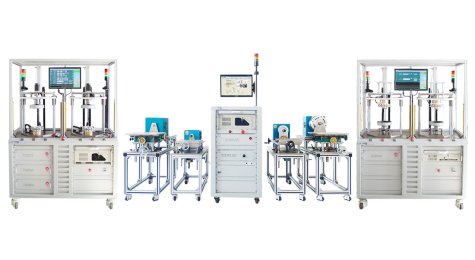
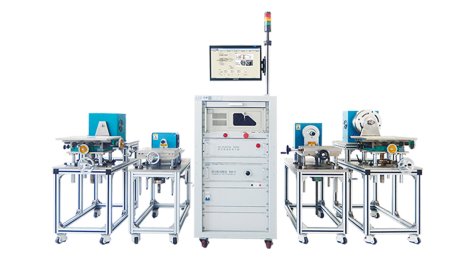
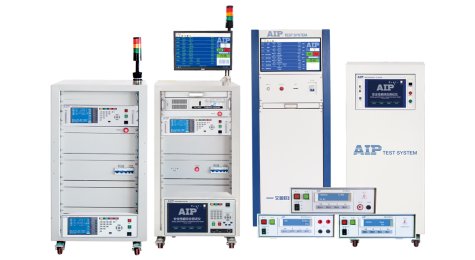
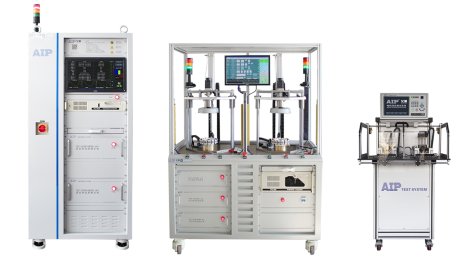
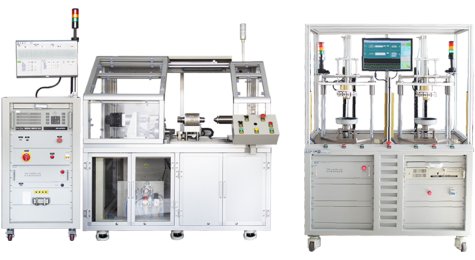
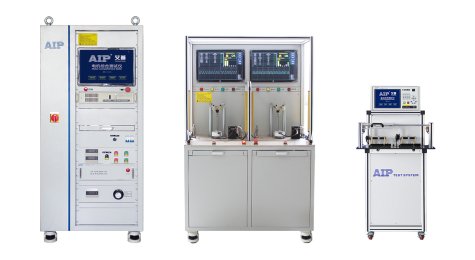
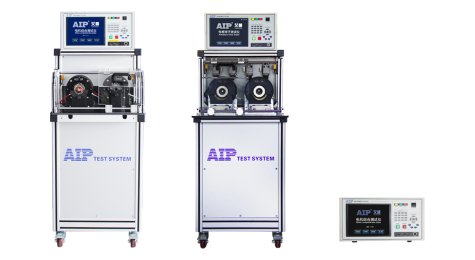
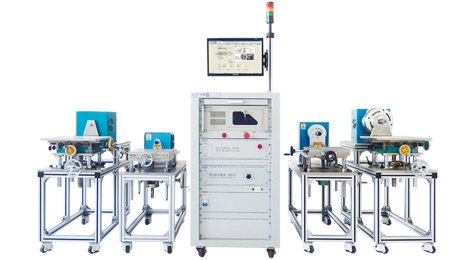
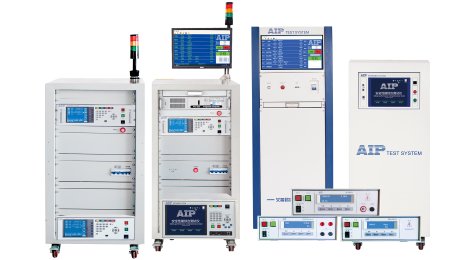
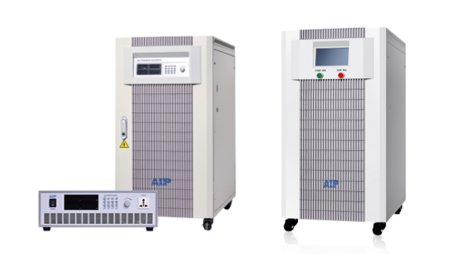
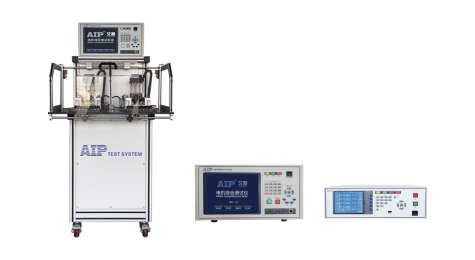
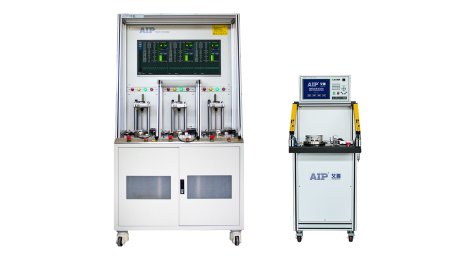
Evaluating R&D strength requires looking beyond sales claims toward verifiable engineering output. As the market-leading motor testing systems manufacturer in China—with annual revenues approaching three times those of the nearest competitor—AIP Instrument has built its position on consistent technical innovation rather than scale alone. The company maintains a dedicated R&D team of over 100 engineers, has served more than 16,000 customers globally, and operates 15 service centers across more than 60 countries. Crucially, AIP has been an active participant in the formulation and revision of multiple industry standards, reflecting a level of technical authority that procurement managers can verify independently. For three-phase industrial motor applications specifically, AIP's portfolio addresses the complete testing hierarchy: stator-level partial discharge and high-power surge testing, die-cast rotor defect screening for broken bars, thin bars, and air voids, and full motor validation under both locked-rotor and no-load conditions. Where quality requirements are particularly demanding, closed-loop load testing provides an additional layer of verification. The company's PD partial discharge and high-power inter-turn testing technologies are recognized as globally leading capabilities in this segment.
Metric 2: Circuit Multiplexing Speed — Maximizing Multi-Channel Switching Efficiency
Circuit multiplexing efficiency directly dictates the overall throughput capacity of a modern multi-phase industrial production line. Industrial alternating current stators require multiple distinct electrical evaluations, including high-voltage surge tests, insulation resistance checks, and winding resistance mapping. Executing these diagnostic phases sequentially requires a highly reliable internal matrix switching network to reroute high-voltage electrical paths within milliseconds. Therefore, procurement managers must evaluate the physical construction and isolation capabilities of the internal relay modules. Standard mechanical relays frequently suffer from accelerated contact wear and spark generation when handling repetitive high-voltage alternating current pulses. This deterioration creates severe cross-talk between measurement channels and degrades data precision over brief periods of operation. In contrast, advanced systems utilize heavy-duty solid-state switching matrices or specialized vacuum relays to ensure rapid, arc-free transitions. This premium engineering layout completely eliminates circuit degradation and drastically compresses total test cycle times. Consequently, automated production lines can achieve aggressive Takt time targets without sacrificing measurement completeness or endangering structural components. Minimizing circuit switching delays allows factories to execute total quality screenings without creating bottlenecks in the main assembly loop.
Metric 3: Algorithmic Safeguards — Evaluating Software Mistake-Proofing and Data Integrity
Advanced diagnostic hardware requires intelligent algorithmic safeguards to ensure absolute operational compliance and prevent manual error manipulation. Modern software suites must embed rigid mistake-proofing protocols that prevent human operators from bypassing critical safety or quality sequences. For example, if a component fails a preliminary insulation resistance check, the control framework must lock the fixture instantly. This digital enforcement prevents the compromised part from moving forward to subsequent manufacturing stations undetected. Additionally, sophisticated anti-misjudgment logic must separate genuine material breakdown signals from temporary, ambient electromagnetic interference. This computational filtering drastically reduces false rejection rates, which helps production managers maintain consistent output targets. Furthermore, full data integrity requires total compatibility with factory enterprise resource planning and manufacturing execution systems. The internal computer platform must utilize open database architectures to record and stream every diagnostic parameter in real time. This secure data thread creates an irreversible quality ledger for every single motor assembly that leaves the factory floor. As a result, manufacturing enterprises achieve total regulatory traceability and satisfy strict international quality audit mandates effortlessly.
Metric 4: Tailored Engineering — Assessing Non-Standard Customization and Fixture Adaptability
Every industrial manufacturing facility operates under unique spatial constraints, custom pallet configurations, and evolving product specifications. Consequently, fixed, off-the-shelf testing frames rarely satisfy the precise operational demands of complex multi-phase motor assembly. Savvy buyers must assess a manufacturer's capacity to deliver flexible, non-standard engineering customization and bespoke tooling adaptations. This process requires an experienced design team capable of engineering custom pneumatic nesting fixtures and quick-change magnetic wire connectors. To fulfill these highly specialized industrial requirements, AIP Instrument(Qingdao AIP Intelligent Instrument Co., Ltd.) creates highly adaptive hardware architectures that adjust to various stator dimensions. The engineering team coordinates closely with global clients to develop tailored industrial motor test solutions that slip seamlessly into existing automated workflows. These customized configurations can interface directly with heavy-duty overhead cranes or robotic material handling arms without requiring extensive line modifications. Furthermore, modular mechanical designs allow factory managers to reconfigure internal testing parameters rapidly during production model changeovers. This adaptability extends the operational lifespan of the capital equipment and maximizes return on investment across extended production lifecycles.

Conclusion: De-Risking Capital Sourcing with a Transparent Technical Framework
De-risking a major capital expenditure project requires a comprehensive, systematic evaluation of an instrumentation vendor’s underlying technical infrastructure. When selecting an industrial testing partner, international procurement executives must prioritize metrological repeatability, multiplexing speed, digital safeguards, and engineering flexibility. This structured analysis allows global manufacturing enterprises to secure their production lines against catastrophic quality failures and expensive field recalls. Implementing world-class verification benchmarks ensures that modern smart factories operate at peak efficiency levels continuously. By partnering with a proven industrial test authority like Qingdao AIP Intelligent Instrument Co., Ltd., companies gain long-term data certainty. Choosing highly stable testing solutions ultimately protects baseline capital investments and guarantees exceptional motion control performance across global supply networks. This dedicated focus on engineering excellence helps global brands maintain total quality leadership in highly competitive commercial markets.
AIP focuses on global motor testing, building a worldwide brand.
AIP Instrument provides one-stop motor testing solutions for motor manufacturing and R&D enterprises worldwide.
To review specialized industrial testing configurations and access comprehensive technical specifications, explore the official global portal at https://www.aiptesting.com/.