With the rapid growth in sales of new energy vehicles, the functional safety and standards of new energy vehicles are receiving increasing attention from the government. The national standards "GB 18384—2025 Safety Requirements for Electric Vehicles" and "GB 38032—2020 Safety Requirements for Electric Vehicles," which will come into effect on July 1, 2026, stipulate safety regulations for new energy vehicles, including insulation resistance testing of the whole vehicle, insulation resistance of charging sockets, verification of insulation monitoring functions, and potential equalization.
![]()
Currently, a new energy vehicle needs to undergo numerous safety regulation tests from component manufacturing to the complete vehicle rollout. Traditional new energy vehicle safety regulations testing limits each instrument to testing only one type of item. To complete multiple tests before leaving the factory, multiple testing devices must be installed and deployed, which is not only inefficient but also increases installation and maintenance costs as well as product costs.
How to integrate the complex and ever-changing testing scenarios of new energy vehicle production lines and create a one-stop intelligent testing solution has always been a difficult problem for the industry.
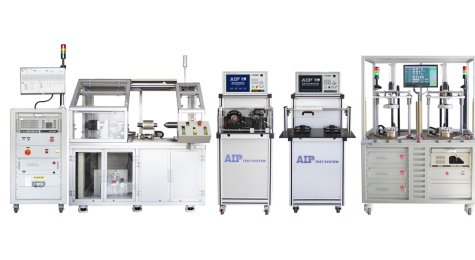
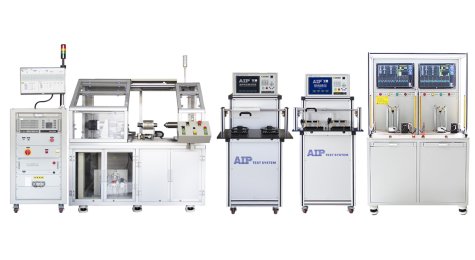
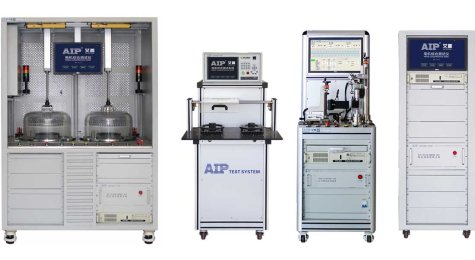
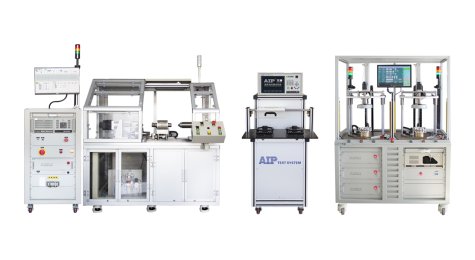
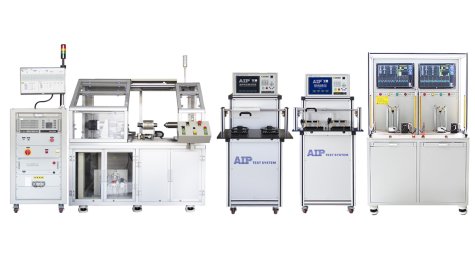
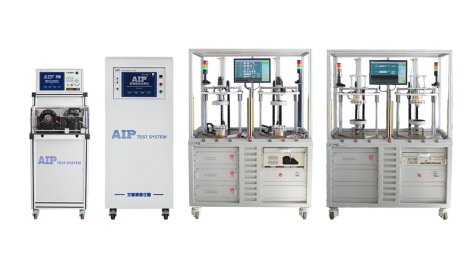
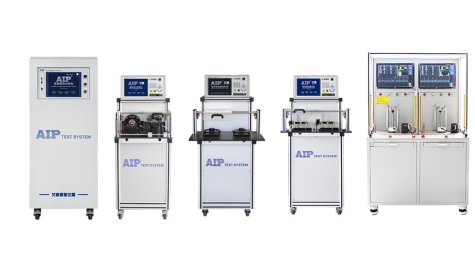
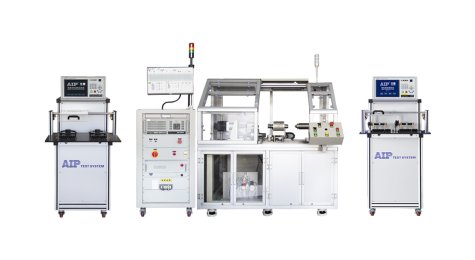
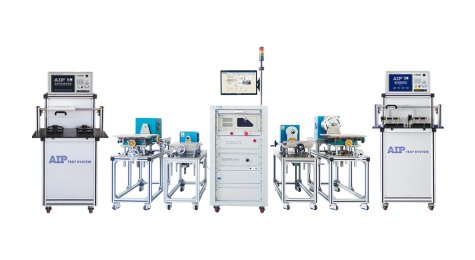
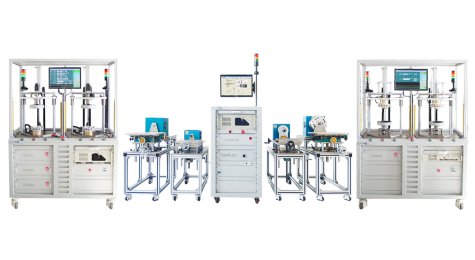
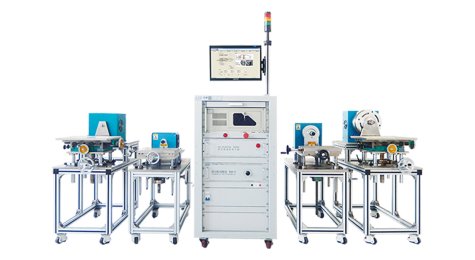
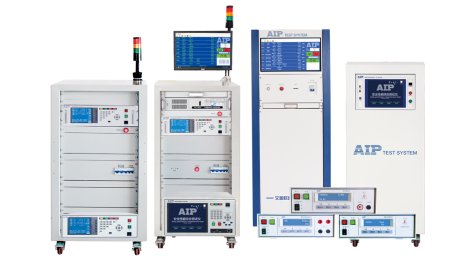
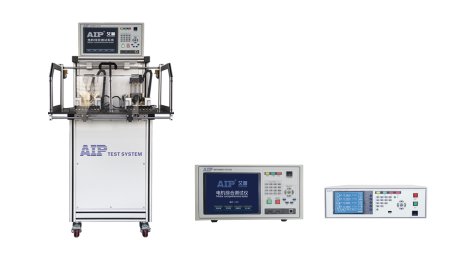
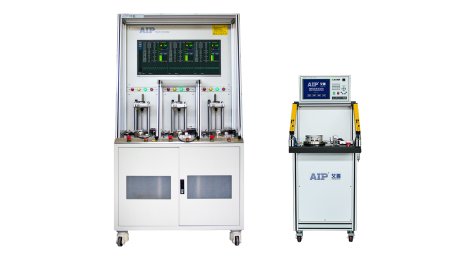
AIP Instrument has launched a comprehensive safety testing system for new energy vehicles, based on its self-developed core technologies. This system integrates multiple testing functions, including potential equalization testing, high-voltage component insulation resistance testing, whole vehicle insulation testing, AC/DC withstand voltage testing, insulation monitoring function verification, charging port insulation, capacitive coupling, and the new national standard's newly added steady-state contact current testing. It can complete multiple safety testing items for new energy vehicles before they leave the factory and before the vehicles are fully assembled.
The specific test items are as follows:
![]()
The comprehensive safety testing system for new energy vehicles is equipped with highly expandable dedicated testing software, including automatic barcode scanning management of test items, arbitrary combination and naming of multiple test steps (matching various vehicle models), data management, user hierarchical permission management, and MES integration management modules. It can perform chart analysis, judgment, storage, and printing of multiple test data, ensuring product quality at the factory while enabling traceability of product information in the later stages.
![]()
1. Meets the new national standards GB 18384-2025 Safety Requirements for Electric Vehicles and GB 38032-2020 Safety Requirements for Electric Buses, etc.
2. Modular Function Customization: Easy to maintain, with features including potential equalization, insulation, and withstand voltage support. Supports 10-channel customization to meet the continuous testing needs of multiple components across different vehicle models.
3. Higher precision and greater accuracy: It adopts high-precision sensors and measurement algorithms and is designed to resist electromagnetic interference. The voltage output accuracy is ±1%, and the maximum measurement accuracy is ±0.5%.
4. Big Data Management System: Equipped with self-developed upgraded testing software, it is connected to the car manufacturer's MES system, enabling real-time data transmission and on-demand programming of test processes, and allowing multiple test items to be completed with one click.
5. Enhanced compatibility: USB, LAN, RS232, supports TCP/IP network protocol, PLC emulation technology, CAN communication, and wireless OBO, facilitating instrument control and expansion.
6. Easy to maintain: Supports intelligent self-testing, remote fault diagnosis, and online software upgrades; board-type design for easy disassembly and replacement.
7. Data report storage: Test results are intelligently analyzed, and statistical charts are displayed. Test reports can be generated and printed.
8. Barcode Scanning: Functions such as barcode-based test initiation and test group invocation; barcodes are interconnected with test data for easy data management and analysis.
![]()
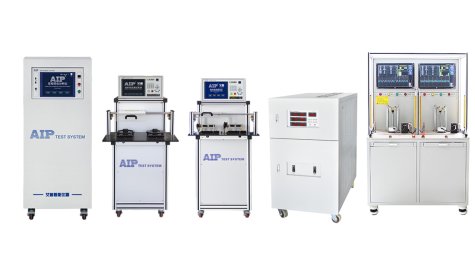
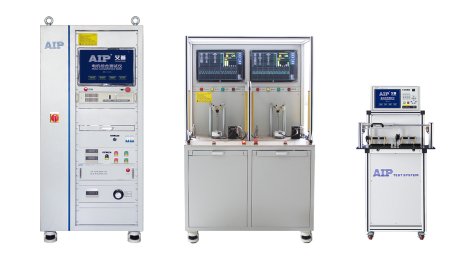
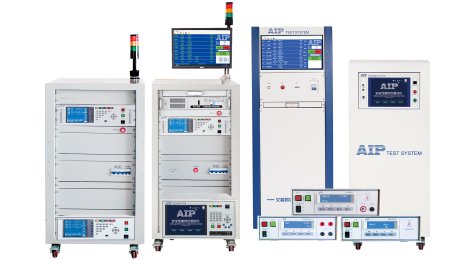
1. New Energy Vehicle Safety Testing Instrument: This instrument integrates multiple testing functions, including potential equalization testing, high-voltage component insulation resistance testing, whole vehicle insulation testing, withstand voltage testing, insulation monitoring function verification, and capacitive coupling testing. Combined with an information management system, it simplifies the testing process and provides a one-stop intelligent safety testing solution.
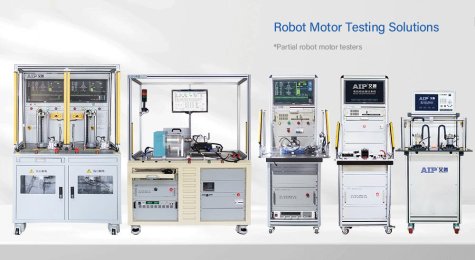
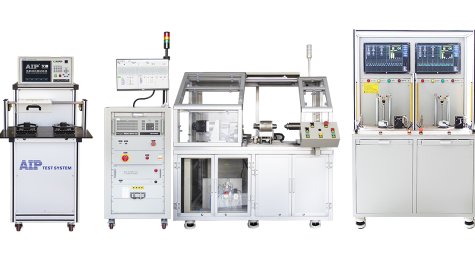
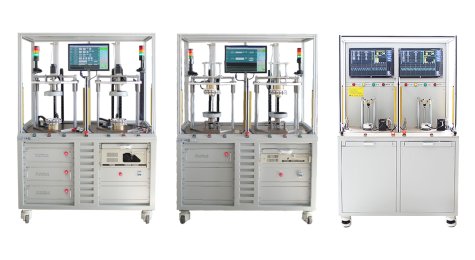
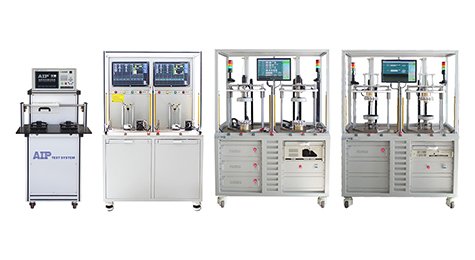
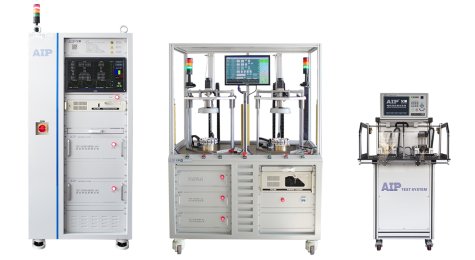
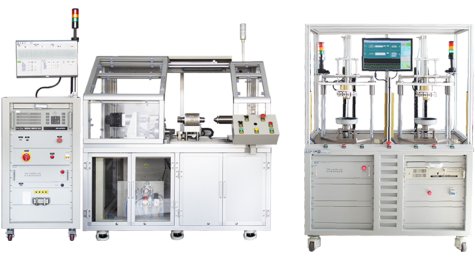
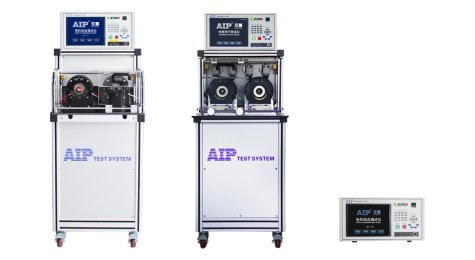
2. New Energy Vehicle Electric Drive Safety Testing Instrument: A dedicated safety performance testing device for the drive motor assembly of new energy vehicles. Applicable to various electric vehicle drive motors: pure electric vehicles such as electric sedans, SUVs, buses, and logistics vehicles, as well as plug-in hybrid and hybrid electric passenger vehicles.
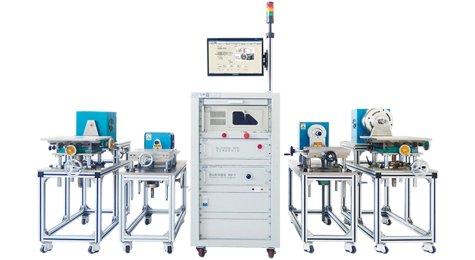
3. New Energy Vehicle Electronic Control Safety Testing System: This system is suitable for testing the key components such as high-voltage distribution boxes, drive motors, power batteries, electronic control systems, high-voltage wiring harnesses, on-board chargers (OBC), DC/DC converters and charging interfaces, vehicle controllers, and charging piles.
To date, AIP Instrument's new energy vehicle safety testing system has been deployed in batches at multiple new energy vehicle manufacturing bases across the country. Practice has proven that the system's various functional tests fully realize the testing of various safety characteristics of new energy vehicles, providing strong support for the safety and reliability of new energy vehicles before they leave the factory.
![]()