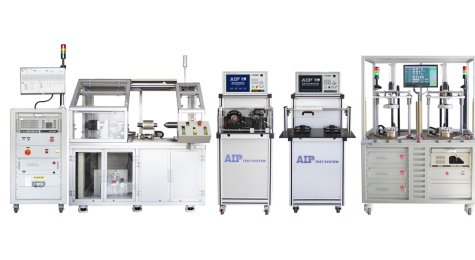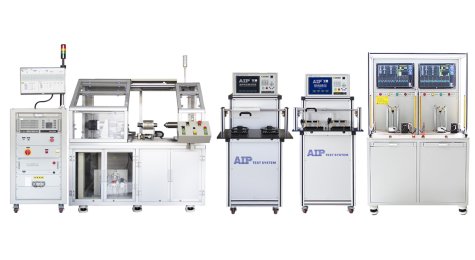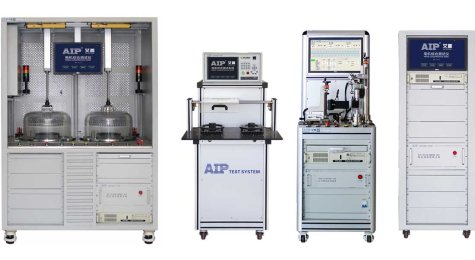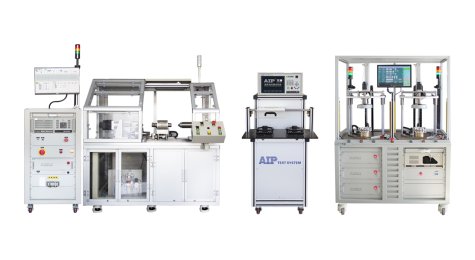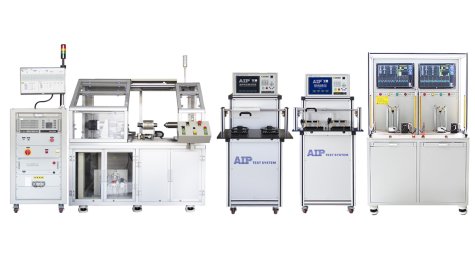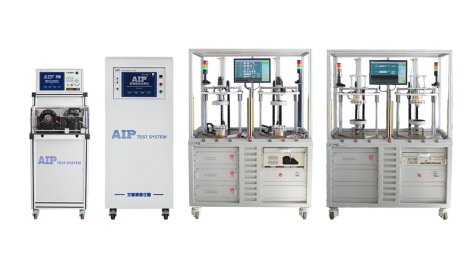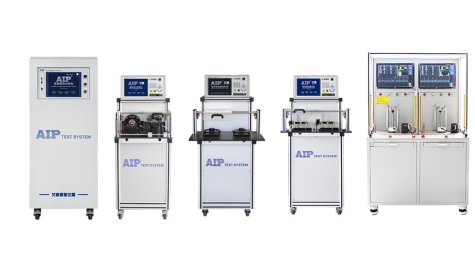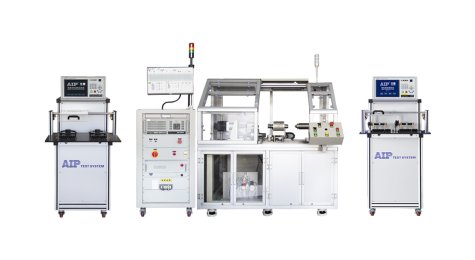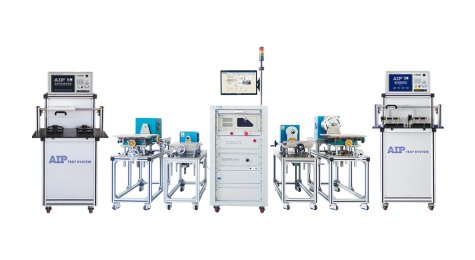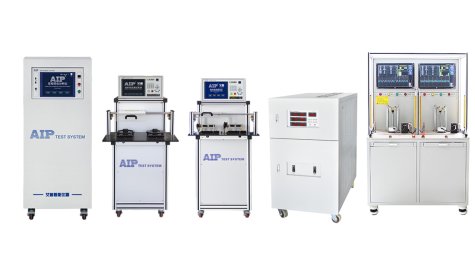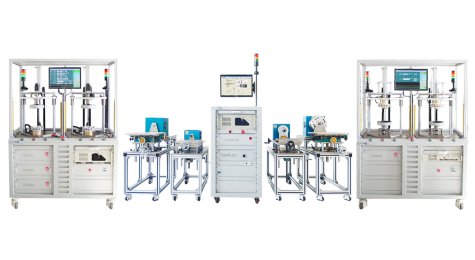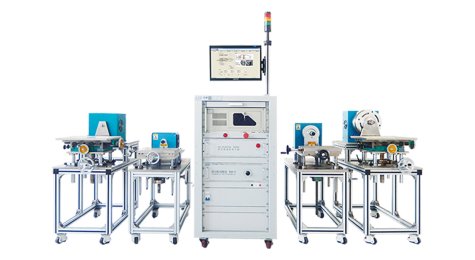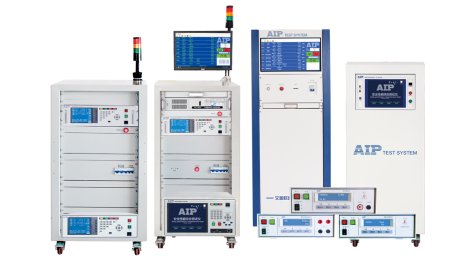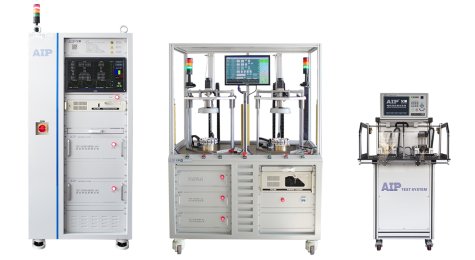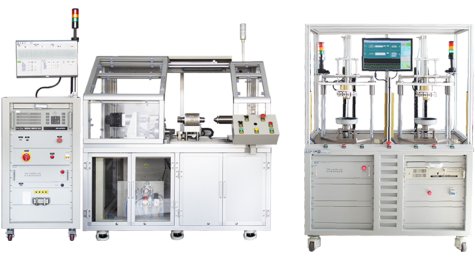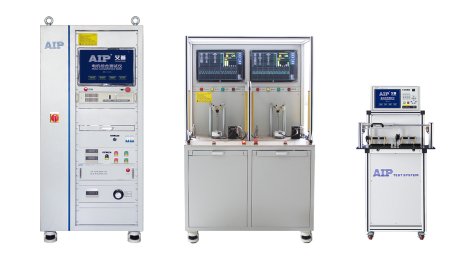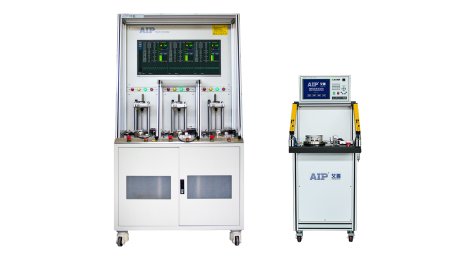
This article addresses questions regarding safety regulations and testing for new energy vehicles, challenges in these tests, and manufacturers of safety testing equipment for new energy vehicles. It offers a comprehensive seven-in-one solution: AC hi-pot, DC hi-pot, insulation resistance, potential equalization, whole-vehicle insulation, insulation monitoring function verification, and capacitive coupling.
![]()
Product Features
■ Seven-in-one: one device completes all testing items
■ Supports 4-channel, 6-channel, and 8-channel customization.
■ High precision, up to 0.5%
■ It has Open/Short circuit detection function.
The new energy vehicle safety testing instrument adopts a seven-in-one integrated design, which can complete seven tests with one device; it supports 4/6/8 channel customization to meet different testing needs; the highest testing accuracy reaches 0.5%, and it has open/short open and short circuit check functions to improve testing accuracy and reliability.
Technological innovation:
Technology, products, and user experience have all been upgraded to provide you with better choices!
![]()
![]()
![]()
AC hi-pot | 6000V/32mA |
DC hi-pot | 7000V/10mA |
Insulation resistance | 6000V/50GΩ |
Potential Equilibrium | 1.0—40A |
Whole vehicle insulation | 0.1—999.9MΩ |
Insulation monitoring function verification | 1KΩ—1MΩ |
Capacitive coupling | 1.0—2000.0 mJ |
power supply | 220V+10%, 50Hz±5% |
Human-computer interaction | 12-inch touchscreen, WIFI/Ethernet/USB/RS232 interface (RS485/CAN optional), MES integration |
The safety testing equipment for new energy vehicles has many testing items, mainly including AC hi-pot, DC hi-pot, insulation resistance, potential equalization, whole vehicle insulation, insulation monitoring function verification, capacitive coupling, and other tests.
However, the specific test items required need to be selected based on actual testing needs. The market offers both comprehensive testers that can integrate these test items and dedicated testers for specific projects.
The insulation testing items of safety testing equipment for new energy vehicles generally include the insulation of the entire vehicle, the insulation of the charging port, and the insulation of the power battery. Their testing principle is to determine the insulation performance by measuring the insulation resistance value between the tested object and the chassis. The higher the insulation resistance value, the better the insulation performance; conversely, the lower the value, the worse the insulation performance.
The research and development of safety testing equipment for new energy vehicles faces three main technical challenges during the design and development phase:
1. High-voltage system testing: Some models have adopted an 800V high-voltage platform, requiring the testing equipment to have extremely high pressure resistance.
2. Multi-dimensional testing: This requires comprehensive consideration of factors such as electrical safety, battery safety, electromagnetic compatibility, and environmental adaptability. The testing equipment must possess multiple testing functions and flexible configuration capabilities.
3. Rapid technological updates: Battery, drive, and electronic control technologies are constantly being updated, requiring testing equipment to be updated in sync with these new technologies.
The new energy vehicle safety testing instrument can be operated intelligently. Users only need to set the test items and scan the barcode to start the testing equipment and enter various safety performance tests.
During the test, the tester can collect and analyze test data in real time. After the test is completed, the software will automatically generate a detailed test report, which users can print directly.
5.1 Grounding: Be sure to perform grounding operations in accordance with the equipment manual or the guidance of professionals.
5.2 Electromagnetic Interference: The test environment should be as far away from electromagnetic interference sources as possible, and appropriate electromagnetic shielding measures should be taken.
5.3 Follow the operating procedures: Specific operating procedures such as equipment setup, parameter adjustment, test execution, and result analysis must be followed.
5.4 High-voltage output module: New energy vehicle safety testing instruments are often equipped with a high-voltage output module. Non-professionals are prohibited from disassembling or repairing the equipment. For maintenance, please contact the equipment manufacturer.
Taking a recent client of AIP Instrument as an example, this new energy vehicle manufacturer mainly conducts final assembly line testing. Currently, the company's older testing equipment on its production line lacks sufficient intelligence, offers limited testing items, is inefficient, and cannot seamlessly integrate with the MES production line. The client urgently needs a customized professional testing solution.
![]()
AIP Instrument customized a comprehensive safety testing system for new energy vehicles to meet the client's needs. This system not only features seven testing functions but also comes equipped with highly expandable dedicated testing software. Combined with an information management system, it automates and automates the testing process and connects to the MES production line for real-time data sharing and interaction.
The market for safety testing of new energy vehicles is still in its development stage. When purchasing such instruments, market research is crucial, and a comprehensive assessment of the manufacturer's technical strength and industry experience is necessary.
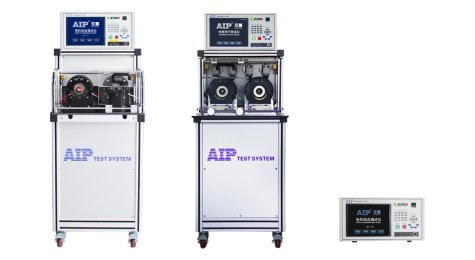
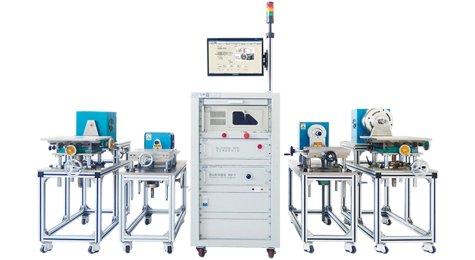
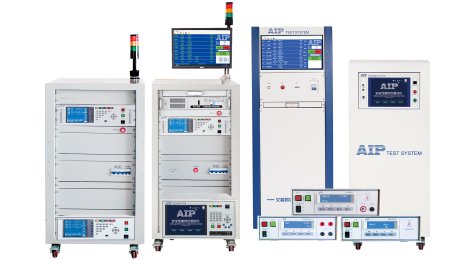
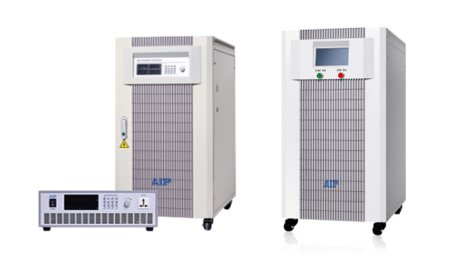
New energy vehicle safety testing equipment is one of AIP Instrument's main products, currently encompassing a range of professional products from comprehensive vehicle safety testing systems to specialized testing equipment. To meet the diverse needs of different customers, each product can be customized to meet specific requirements, providing solutions tailored to individual needs.