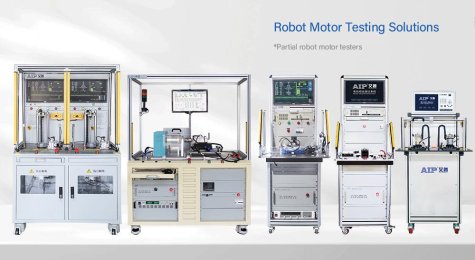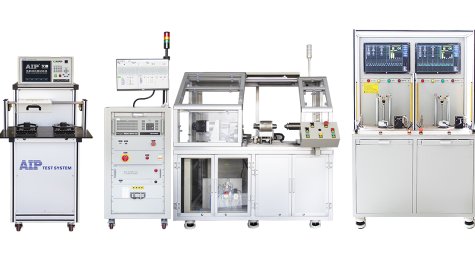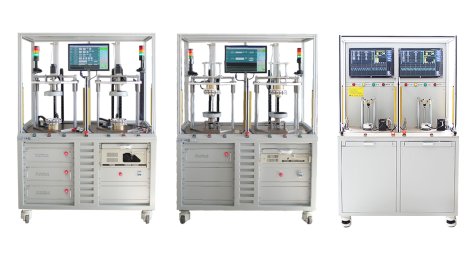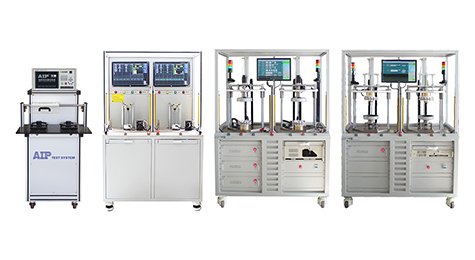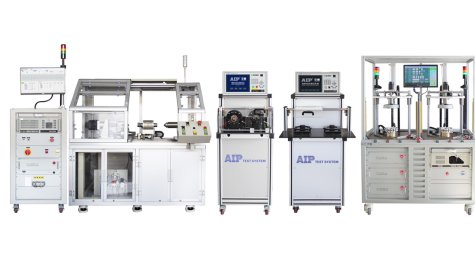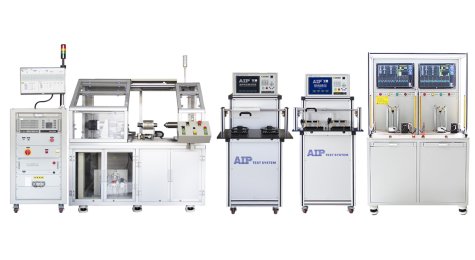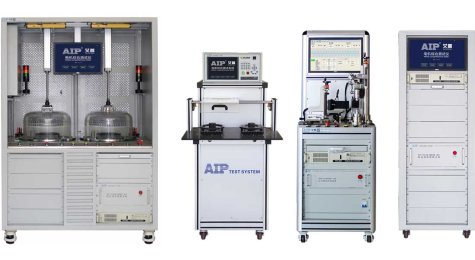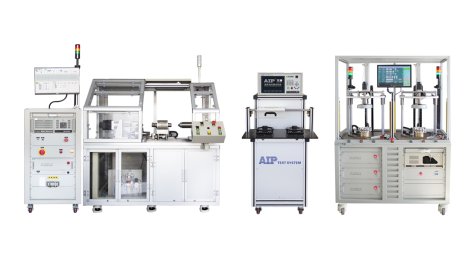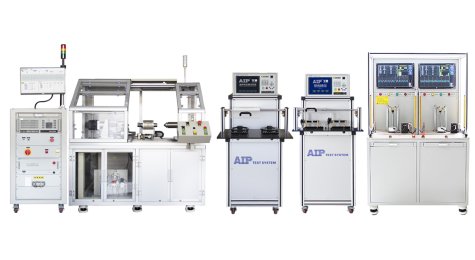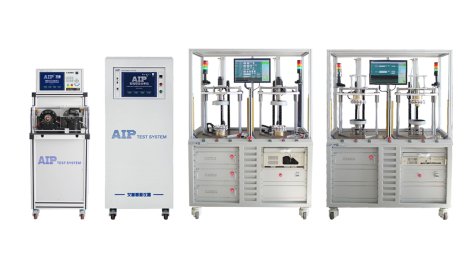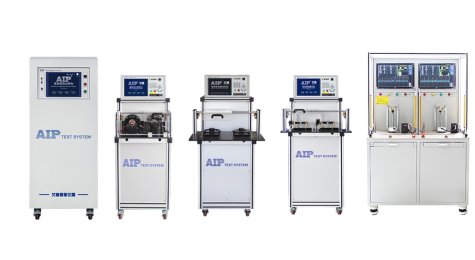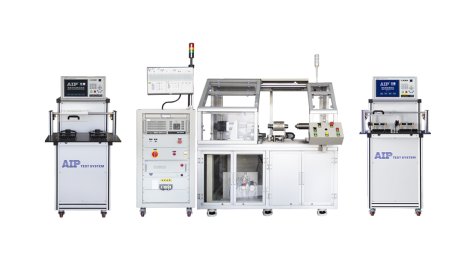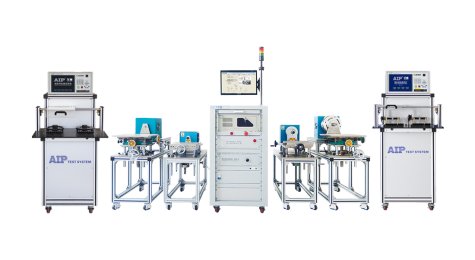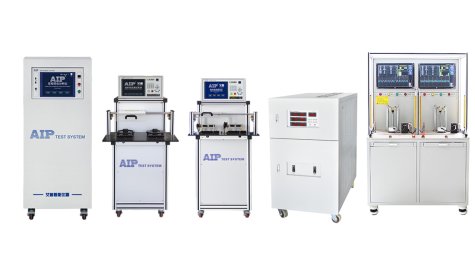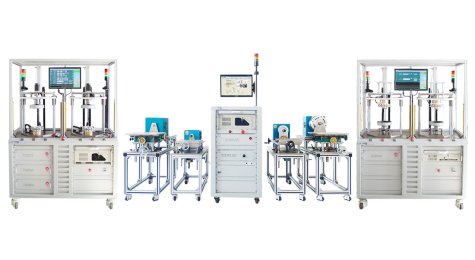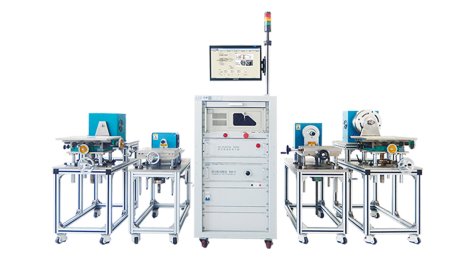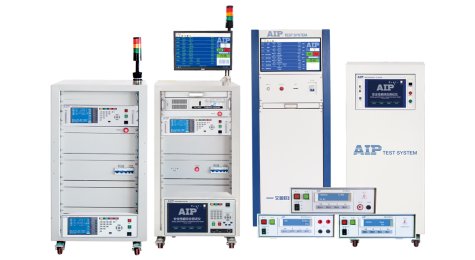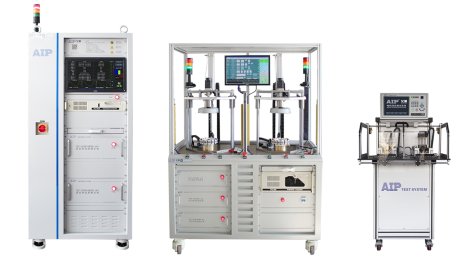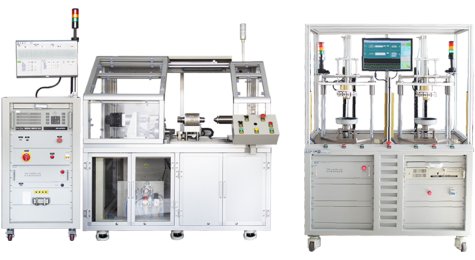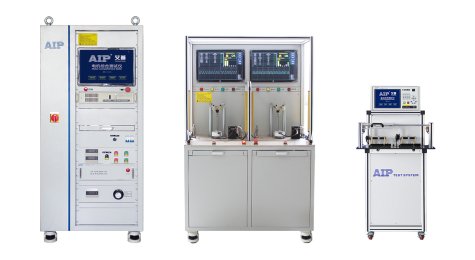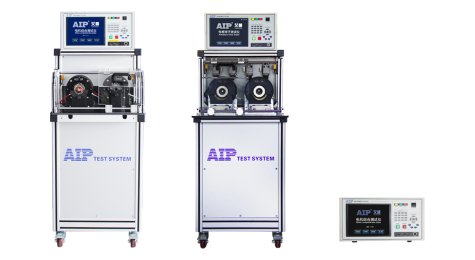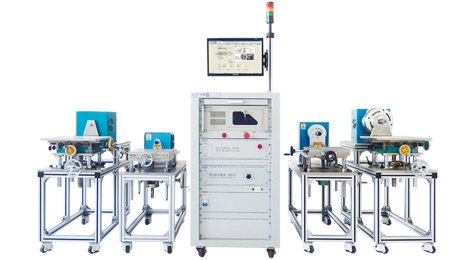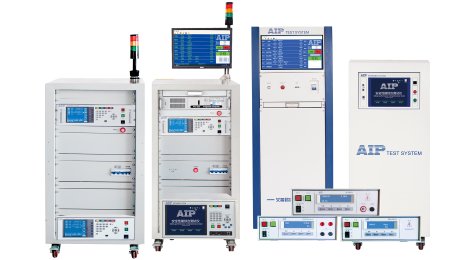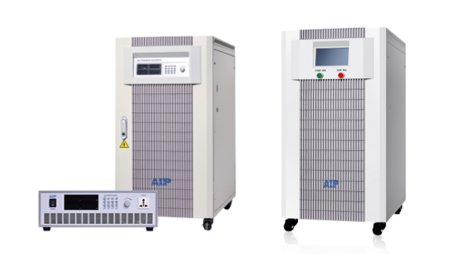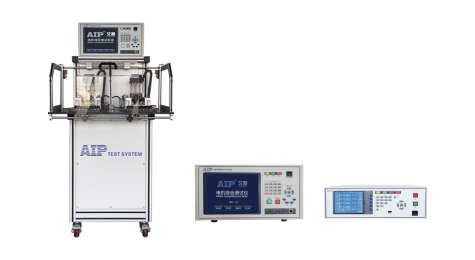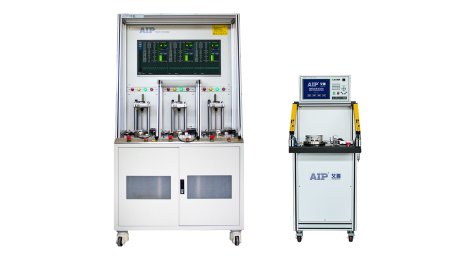
In 2012, we partnered with ES of Japan to conduct safety testing for Volkswagen's drive motors, leveraging over a decade of technological expertise to completely replace imported brands. This tester, by introducing internationally advanced testing technology and developing specialized sensors, automatically analyzes and judges the quality of the guide bars using digital signal processing methods based on traditional theories. It is applied to batch testing and laboratory inspection of die-cast rotors for electric vehicle drive motors.
1. Data Quantification: Rotor test data is quantified, and upper and lower limits are set for simple testing.
2. Waveform Display: Product data is displayed in waveform format, which is intuitive, clear, and convenient.
3. Rapid Clamping: Manual loading and unloading, automatic clamping, fast and efficient.
4. High-Speed Testing: The entire guide bar testing process takes approximately 3-5 seconds, improving production efficiency and reducing costs.
5. Comprehensive Testing: Various types of defective products can be detected through testing.
6. Selectable Operation: Clamping methods can be selected manually or automatically according to actual process conditions.
7. Defect Location: The defective position of the guide bar can be displayed.
8. Optional Function: Optional function for testing the resistance and reactance of die-cast rotors.
Test Items:
Broken bars, thin bars, air holes, slot deviation, resistance, reactance.
Applicable Motors:
Suitable for testing die-cast rotors of drive motors for electric vehicles/new energy vehicles.
Performance testing items for automotive die-cast rotors:
1. Electrical Performance Testing: This includes testing parameters such as resistance and reactance to assess whether the electrical performance of the die-cast rotor meets requirements.
2. Broken and Thin Bar Testing: Using specialized sensors and advanced international technology, the guide bars of the die-cast rotor are analyzed and inspected to determine if defects such as broken or thin bars exist.
3. Slot Deviation Detection: This function can promptly and accurately detect slot misalignment in the cast aluminum rotor.
4. Porosity Detection: The presence of porosity can lead to performance degradation and increased vibration during operation. Timely detection prevents performance problems in the die-cast rotor.
Model | AIP8685 | AIP8687 | AIP8689 |
Test objects | Squirrel cage rotor conducting bar | Squirrel cage rotor conducting bar, Squirrel cage rotor end ring | |
Test Items | Broken bars, thin bars, air holes, slot deviation | Broken bar number, thin bar number, maximum amplitude value, minimum amplitude value, aggregate value | |
Test bench | Automatic - Vertical | Automatic - Horizontal | Fully Automatic |
Display | LCD 19” LCD display | ||
Parameter save | Software save | ||
Aluminum bar quantity | 5-100 | ||
Tested rotor dimension | Outer diameter:20-65mm Height: ≤100mm Inner diameter:≥4mm End ring depth: ≤55mm
| Outer diameter:20-120mm Height: ≤220mm Inner diameter:≥10mm | Outer diameter:20-65mm Height:≤100mm Inner diameter:≥4mm |
Standard line type | Line mode: suitable for a rotor with a smooth surface | ||
Test modes | One-click testing: Start the test with one click, and output quantifiable results upon completion, facilitating enterprise-quality data analysis. | ||
Control model | Automatic/manual | ||
Working environment | Temperature: 0~40℃,humidity: ≤90%RH | ||
Power supply | 220V±10% 50HZ±5% | ||
Power consumption | ≤100W | ||
This tester is designed for comprehensive quality inspection of die-cast rotors used in electric vehicle and new energy vehicle drive motors. It can detect: Broken bars and thin bars;Porosity and air holes;Slot deviation;Electrical parameters such as resistance and reactance (optional)
2.The testing time for one rotor is approximately 3–5 seconds. The tester supports one-click operation and automatic clamping, ensuring fast and stable testing performance.
It is highly suitable for in-line production testing, helping manufacturers improve efficiency, reduce labor costs, and maintain consistent product quality.
Yes. Different models (AIP8685 / AIP8687 / AIP8689) are available to accommodate various rotor sizes and aluminum bar quantities. Upper and lower test limits can be set according to customer requirements.
All test data can be saved via software and displayed in waveform format, enabling traceability, quality analysis, and long-term process control. Customized solutions are also available upon request.