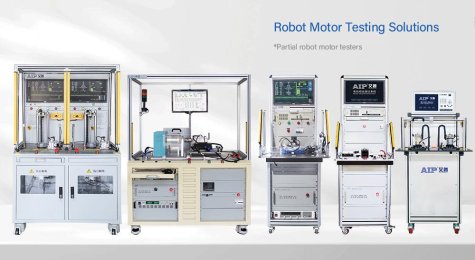
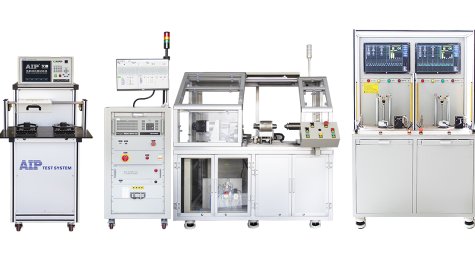
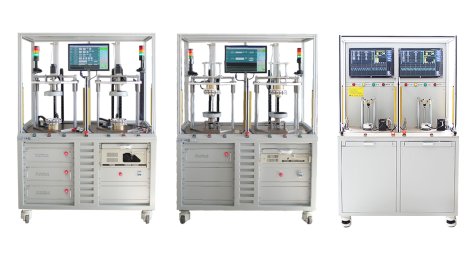
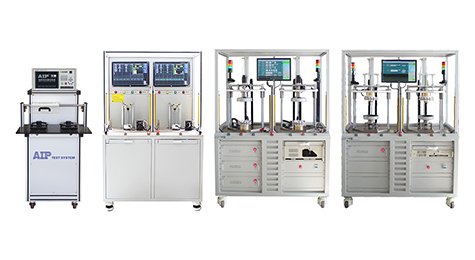
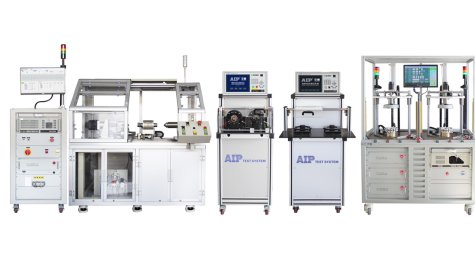
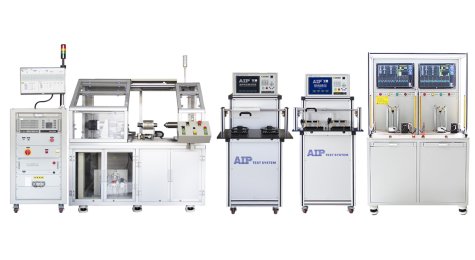
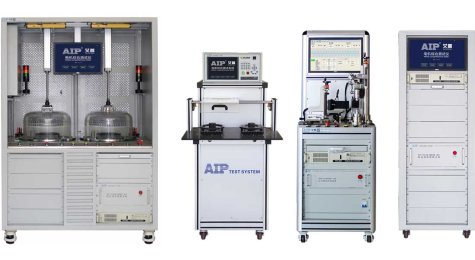
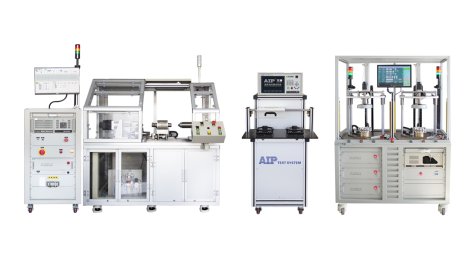
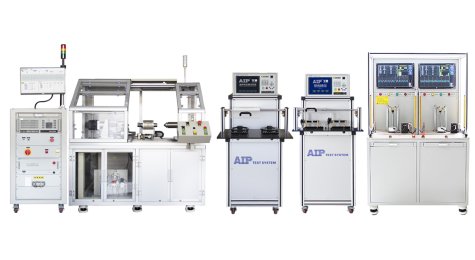
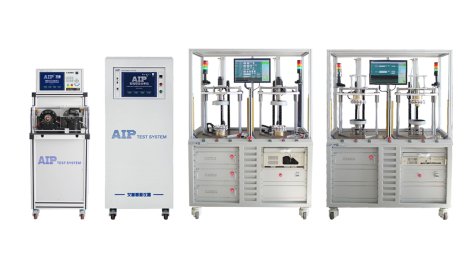
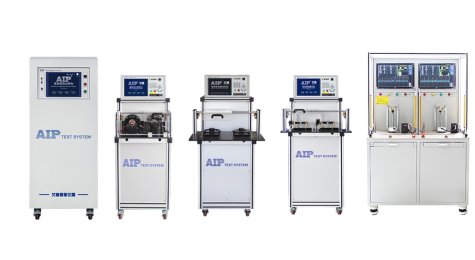
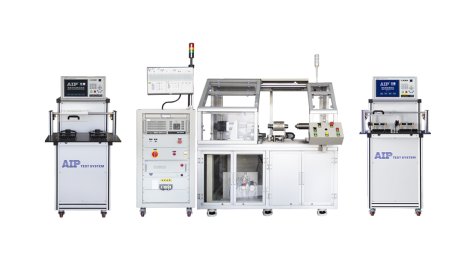
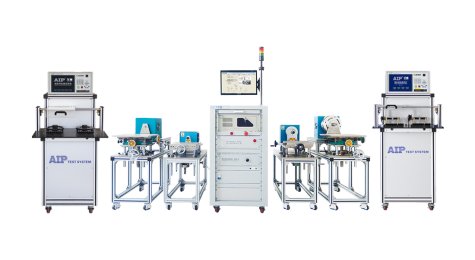
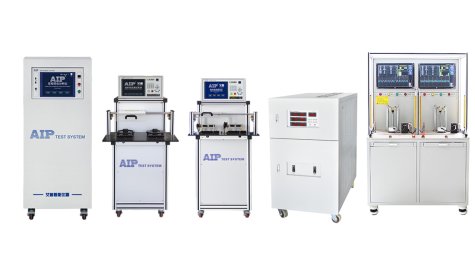
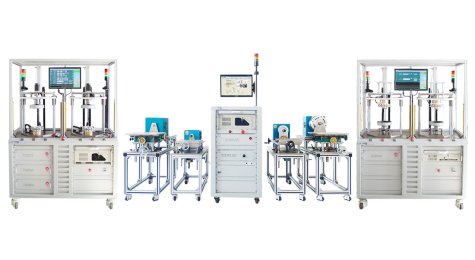
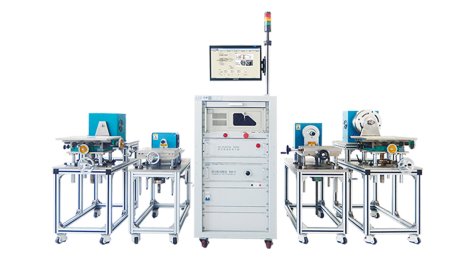
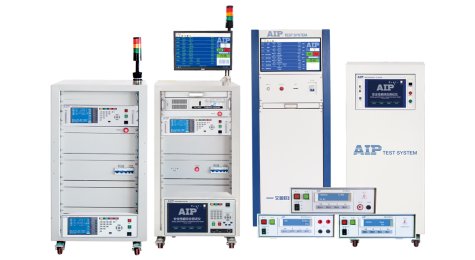
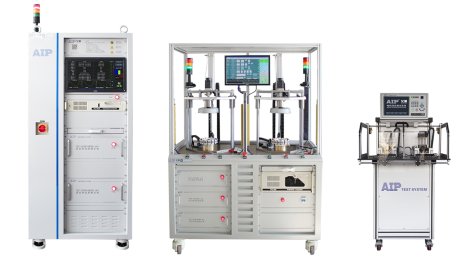
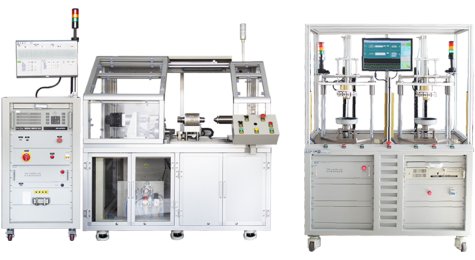
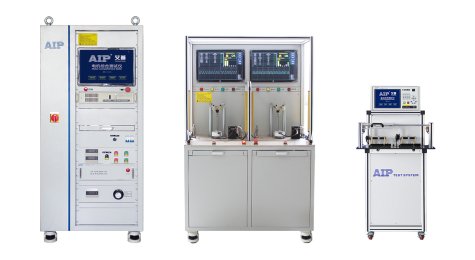
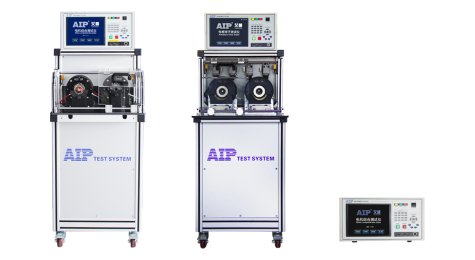
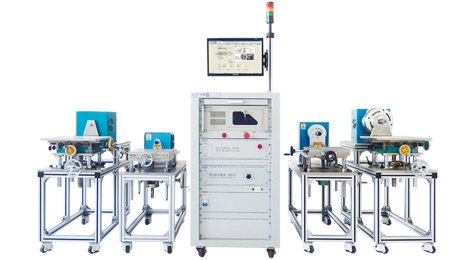
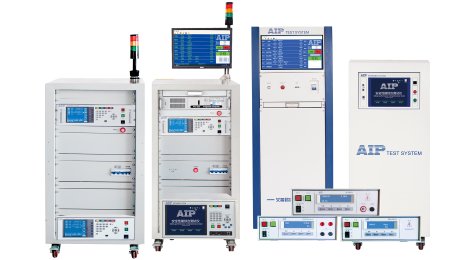
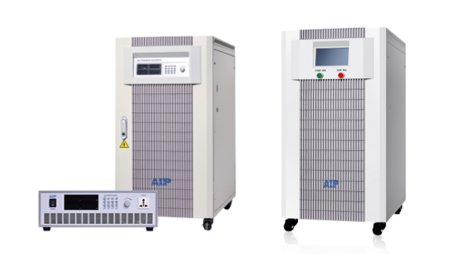
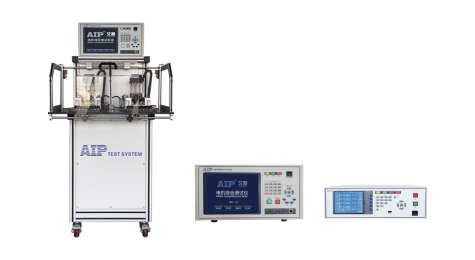
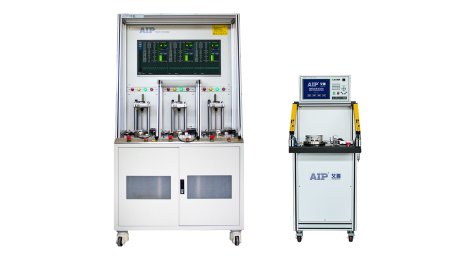
The global motor manufacturing sector faces an increasingly competitive environment, necessitating strict control over overall operating budgets. Modern motor production managers understand that managing a factory’s capital expenditure requires comprehensive long-term financial planning. Unfortunately, many professionals responsible for procuring motor stator tester still confuse low initial purchase prices with genuine long-term economic value. True value stems from systematically reducing the total cost of ownership and maximising return on investment. Forward-thinking motor manufacturers actively seek out the Most Cost-Effective Stator Testing Equipment Brand to optimise their quality control processes without depleting capital reserves. This analytical Q&A guide explores how advanced motor stator testing technology can systematically reduce long-term operational expenditure. By examining the true drivers of testing efficiency, motor manufacturers can make informed procurement decisions that safeguard their core profitability. Selecting an optimised stator testing brand enables global motor production companies to maintain high-quality standards whilst reducing overhead costs. As a global provider of motor testing solutions, AIP Instrument consistently designs its products with the customer’s long-term value in mind. So, what exactly makes AIP the most cost-effective stator testing equipment brand on the market today?

Question 1: Why does purchasing cheap, low-end stator testers ultimately drive up factory operating costs?
Purchasing cheap, unproven stator testing equipment often creates significant hidden liabilities, rapidly driving up factory operating costs. Low-end stator testing systems typically utilise substandard internal power regulators and lower-grade signal isolation components. Consequently, these systems exhibit severe data drift and high false rejection rates during rapid test cycles. When an unreliable tester incorrectly classifies a sound stator as defective, the factory loses valuable materials and wastes man-hours on unnecessary retesting. Furthermore, high false-positive rates disrupt production schedules, forcing operators to manually slow down the assembly line. Within a short period, the financial losses from scrapped materials and production line downtime can easily exceed the initial savings gained from the low-cost purchase. A reliable stator tester prevents these costly production errors by delivering exceptional data repeatability across thousands of consecutive production shifts. Protecting high-volume production facilities from the impact of unexpected stator failures requires testing equipment capable of completely eliminating measurement uncertainty. Consequently, investing in high-quality stator testing equipment remains a vital strategy for minimising a factory’s day-to-day operating costs.
Question 2: How do vertical integration and in-house stator manufacturing reduce initial procurement costs?
Many procurement teams assume that high-performance stator test instruments inevitably come with a significant price premium. However, Qingdao AIP Intelligent Instrument Co., Ltd. has disproved this assumption by utilising a highly vertically integrated R&D and manufacturing model. AIP Instrument possesses proprietary motor testing technology, enabling customers to acquire testing capabilities of equivalent or even superior performance within a more reasonable budget, thereby significantly enhancing return on investment. The company does not outsource the production of motor testing equipment to third parties, but instead designs and manufactures it in-house. This comprehensive control over manufacturing eliminates mark-ups from external suppliers and significantly reduces production costs. AIP Instrument passes these structural savings directly on to international buyers, delivering world-class technical specifications at optimised capital expenditure levels. By managing the entire motor testing equipment manufacturing lifecycle, the company ensures exceptional supply chain independence and resilience against external market price shocks. This unique stator testing equipment production capability demonstrates that motor manufacturers can acquire high-quality stator testing equipment without exceeding their equipment budgets.
Question 3: Can a modular software architecture eliminate future reprogramming costs for AC induction motors, brushless DC motors and permanent magnet synchronous motor models?
Traditional stator test equipment often forces manufacturing plants to incur high engineering costs when introducing new motor designs. These restrictive systems utilise fragmented software architectures, requiring customised source code modifications for different motor variants. To eliminate these recurring software maintenance costs, AIP Instrument(Qingdao AIP Intelligent Instrument Co., Ltd.) has deployed a unified, modular software architecture across its entire equipment portfolio, enabling modular upgrades. Consequently, motor manufacturers can adapt their capital investment to changing market trends and evolving customer requirements. Eliminating reliance on third-party programming provides significant financial security and streamlines operational workflows over the course of multi-year production cycles.
Question 4: How do quick-change fixtures and flexible production line adaptability minimise downtime costs during production changeovers?
In modern automated motor production, lengthy changeover schedules pose a serious threat to overall equipment effectiveness. When assembly lines halt to switch from one stator size to another, idle labour and underutilised machinery erode daily profitability. Advanced motor testing equipment addresses this operational bottleneck by implementing tool-free mechanical adjustments and modular pneumatic nesting fixtures. Minimising changeover delays enables motor production facilities to maintain high output rates and continuously maximise overall equipment effectiveness.

Question 5: What long-term financial safeguards do ultra-low maintenance rates and a global remote diagnostics network provide?
Long-term factory profitability depends largely on the reliability of equipment and the ability to obtain rapid technical support during unexpected operational anomalies. High-volume production lines cannot afford prolonged equipment downtime that would delay shipments to international customers. To ensure consistent production yields, AIP Instruments engineers its motor test equipment to withstand continuous operating cycles without performance degradation. This rigorous engineering focus results in an ultra-low hardware failure rate, thereby minimising ongoing maintenance costs. Furthermore, the integrated global remote diagnostics network allows application engineers to analyse instrument health via secure internet channels. In the event of operational anomalies, remote technicians can isolate core software issues and recalibrate parameters immediately. This digital support capability eliminates the need for costly and time-consuming on-site service visits by engineers from overseas. By combining robust physical durability with agile digital support, the system maximises the machine’s total uptime and delivers predictable operating costs. Transforming routine maintenance liabilities into stable, worry-free performance provides a significant competitive advantage for modern manufacturing facilities.
Conclusion: Redefining Value for Forward-Thinking Procurement Managers
True cost-effectiveness requires a comprehensive analysis of machine performance, initial procurement structures, changeover efficiency and long-term maintenance responsibilities. Selecting a motor testing partner that controls its own manufacturing supply chain and offers a modular software platform ensures an exceptional return on investment. By deploying advanced single-cycle validation systems, international manufacturing companies have optimised their manufacturing workflows and safeguarded their bottom line. Ultimately, selecting an established motor testing provider enables global brands to eliminate quality risks and ensure sustained profitability. Investing in reliable, integrated motor testing solutions ensures that modern smart factories maintain comprehensive market leadership throughout their long lifecycle.
To view the specialised motor stator tester and obtain detailed technical specifications, please visit the official global portal: https://www.aiptesting.com/.