Robot Frameless Torque Motor Test Solutions

Robot Frameless Torque Motor Test Solutions

1-方案
Test Solutions

Robot Frameless Torque Motor Test Solutions

With the rapid development of intelligent equipment such as humanoid robots and collaborative robots, frameless torque motors have become a core component of robotic joint modules due to their high torque density, compact structure, and direct-drive characteristics. However, performance verification and reliability testing come with multiple challenges, including vibration and noise (NVH).

This article outlines comprehensive testing solutions for frameless torque motors used in robotics, covering testing objectives, key items, methodologies, and practical case insights to serve as a reference for the industry.

Frameless Torque Motor Sample

Ⅰ. What is a Frameless Torque Motor for Robots?

A frameless torque motor is a type of direct-drive motor that removes the traditional mechanical structures, such as housings and bearings, retaining only the rotor and stator as the core components.

Its design philosophy is to use electromagnetic force to directly drive the load, enabling high-precision and highly responsive motion control. These motors are widely used in robotic joints, precision instruments, and other demanding applications.


Ⅱ. Types of Robot Frameless Torque Motor Test Solutions

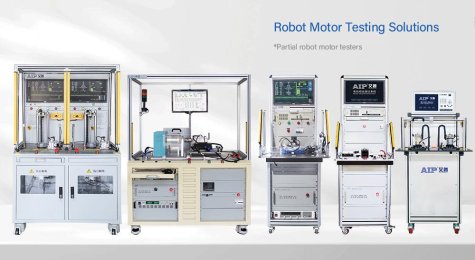
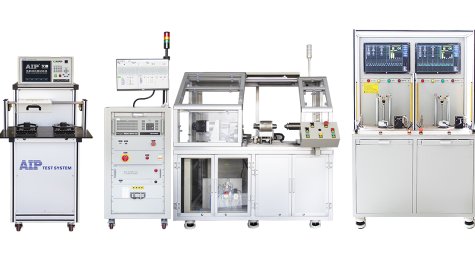
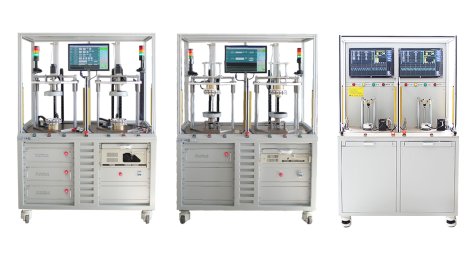
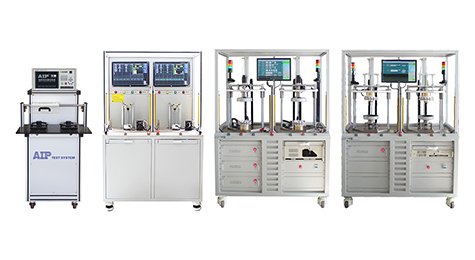
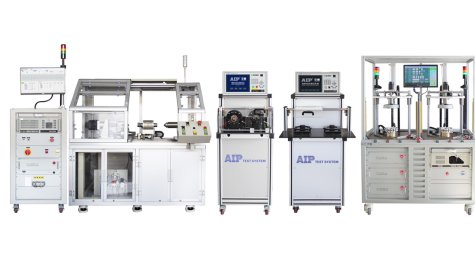
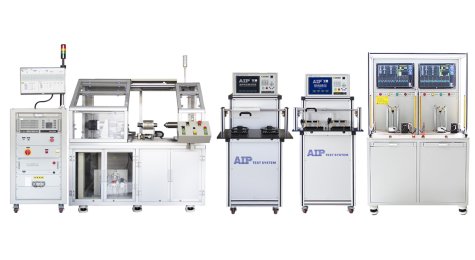
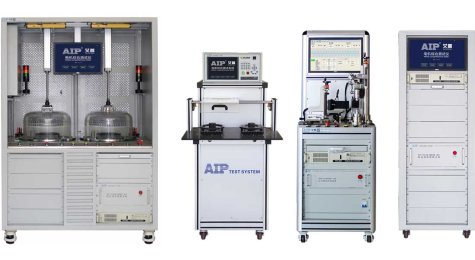
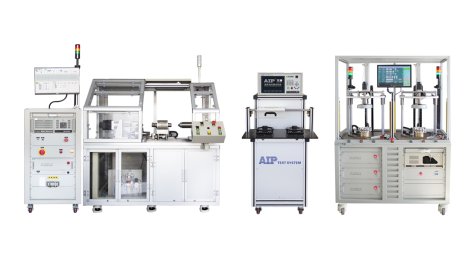
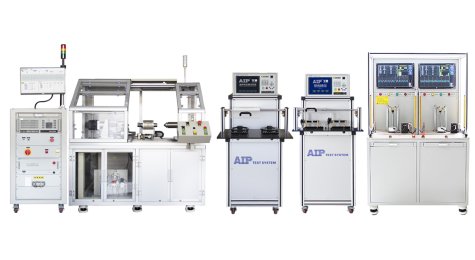
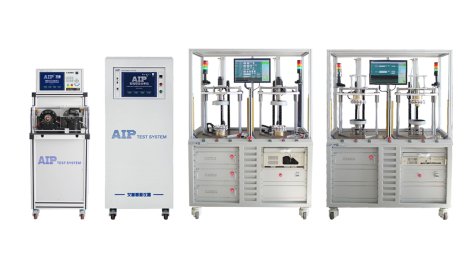
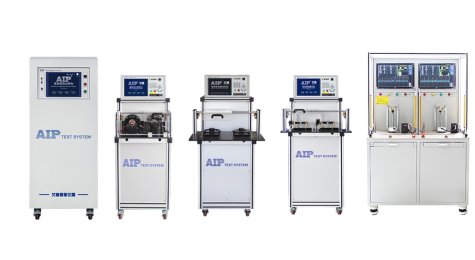
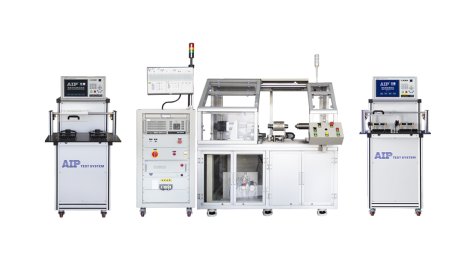
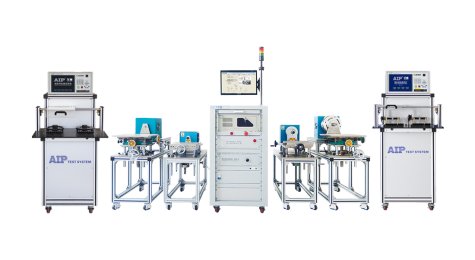
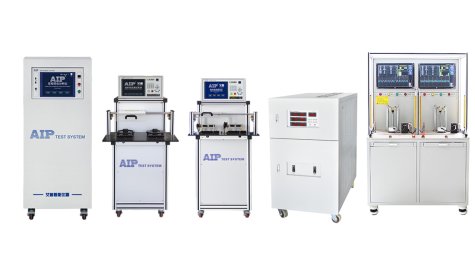
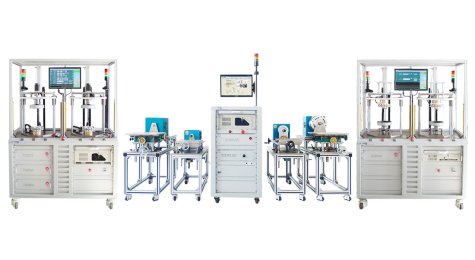
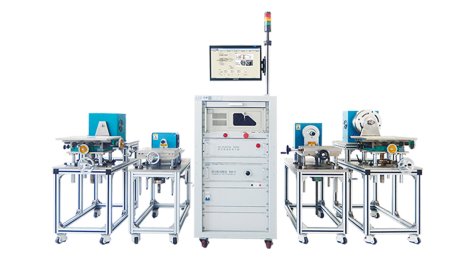
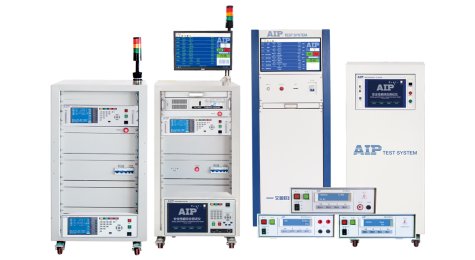
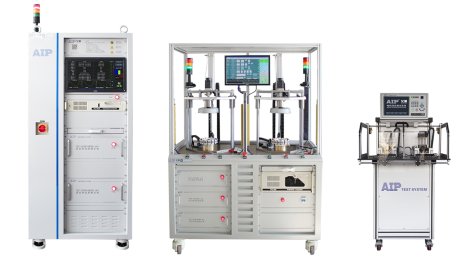
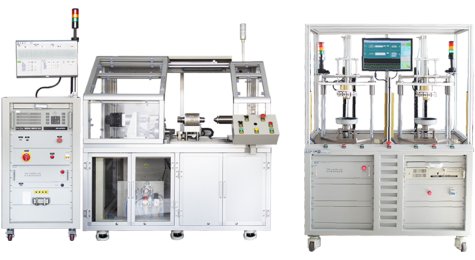
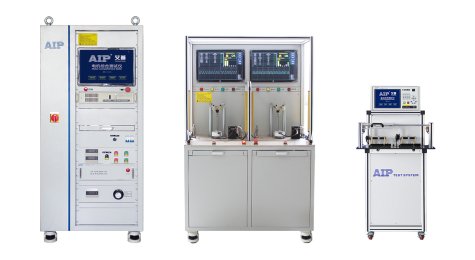
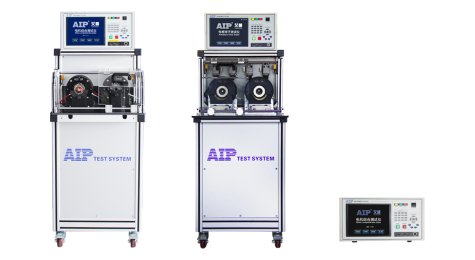
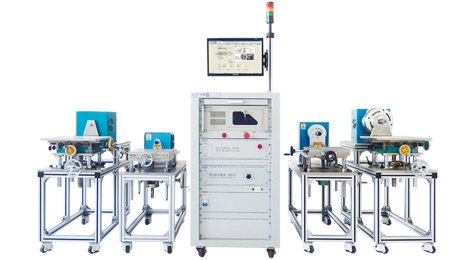
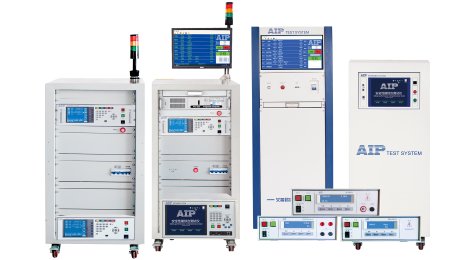
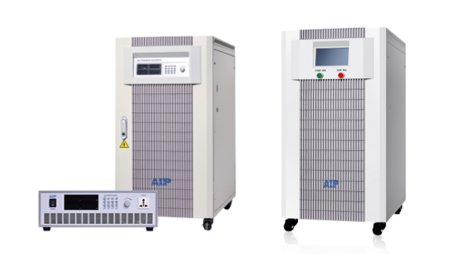
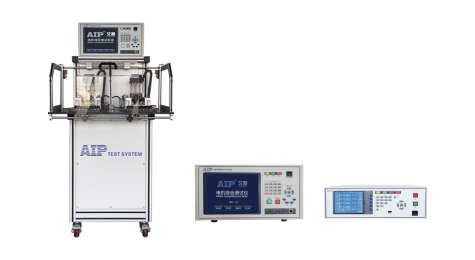
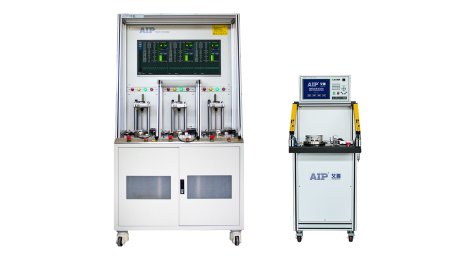
High requirements correspond to high testing standards. The frameless torque motor for robots comprises three main parts: the stator, the permanent magnet rotor, and the complete motor, each corresponding to one of three categories of testing equipment.


Robot Frameless Torque Motor Test Solutions

1.  Frameless Torque Motor Stator Test


Test Solution

Test Item

Stator Test

AC Hi-pot, Insulation Resistance, Surge, DC Resistance, Inductance, NTC

Stator Back EMF Test

AC Hi-pot, Insulation Resistance, Surge, DC Resistance, Inductance, NTC, Back EMF, THD, Hall , Phase Difference


2. Frameless Torque Motor Permanent Magnet Rotor Test


Test Solution

Test Item

Permanent Magnet Rotor Back EMF Test

Back EMF, Phase Difference

Permanent Magnet Rotor Magnetization Test

Magnetic Flux, Peak Magnetic Pole Value, Magnetic Pole Area, Magnetic Pole Angle, Magnetic Pole Half-width, Multi-layer Staggered Angle, Optional Magnetization Function


3. Frameless Torque Motor Test 


Test Solution

Test Item

Motor No-load Test

AC Hi-pot, Insulation Resistance, Surge, DC Resistance, Inductance, NTC, No-load Performance (Voltage, Current, Power)

Motor Cogging Torque Test

Cogging Torque, Harmonic Components

Motor Back EMF Test

RMS Value, Peak Value, Peak-to-peak Value, Phase Sequence, Phase Difference, Back EMF Constant, Harmonic THD, Partial Ke Value, Voltage Imbalance

Motor Cogging /Back EMF Test

Cogging Torque, THD, Order, Back EMF, Hall, Phase Difference


Contact AIP now for one-stop robot frameless torque motor test solutions!


FAQ
  • What are the key challenges in testing frameless torque motors for robots?

    Frameless torque motors feature high torque density and direct-drive architecture, which also makes their testing more demanding. The main challenges include:

    1. Ensuring precise measurement of back-EMF and cogging torque

    2. Evaluating insulation performance under compact structural conditions

    3. Detecting NVH issues caused by electromagnetic design

    4. Maintaining accuracy during rotor magnetization and flux measurement

    Professional testing systems are required to achieve repeatable, high-precision results across these parameters.

  • Why is back-EMF testing important for frameless torque motors?

    Back-EMF testing reflects the motor’s electromagnetic characteristics and is essential for:

    1.Verifying coil winding quality

    2.Detecting rotor magnetization issues

    3.Measuring phase difference and electrical angle accuracy

    4.Evaluating harmonic distortion (THD), which correlates to noise and smoothness

    Accurate back-EMF analysis helps ensure the motor meets performance requirements for robotic joint applications.

  • How do AIP’s testing systems improve reliability for robotic frameless torque motors?

    AIP’s testing platforms are designed specifically for high-precision robotic actuators. They improve reliability by offering:

    1.Multi-stage testing across stator, rotor, and complete motor

    2.High-accuracy measurements of cogging torque, back-EMF, magnet flux, and insulation performance

    3.Automated data acquisition and traceability for quality control

    4.Configurable test modules to match different motor sizes and specifications

    These capabilities help manufacturers improve product consistency and accelerate the development of robotic joint modules.