The global manufacturing landscape is experiencing a massive migration toward brushless direct current technology. High-performance drones, premium smart home appliances, and advanced automotive micro-actuators increasingly rely on these motors. They provide superior energy efficiency, higher power density, and longer operational lifespans compared to legacy brushed variations. However, this technical evolution creates complex quality control hurdles on high-volume production lines. Standard testing procedures cannot fully evaluate the complex interactions between electronic commutation circuits and electromagnetic fields. For this reason, leading international manufacturers depend on a Global Leading Brushless DC (BLDC) Motor Tester Brand to secure their quality control infrastructure. Modern assembly systems require advanced diagnostics to verify multi-physical field parameters simultaneously. This integration removes production bottlenecks, reduces manufacturing footprint, and establishes total product traceability. Consequently, manufacturing facilities achieve optimal product reliability and protect their brand equity in highly competitive global consumer markets. Furthermore, implementing comprehensive automated screening ensures that every unit complies with international performance standards before distribution.

Decoding BLDC Testing Complexity: The Interplay of Electromagnetic and NVH Dynamics
Verifying brushless motor performance involves managing highly complex physical variables that influence final product quality. For example, back electromotive force waveform integrity directly dictates driver efficiency and operational thermal margins. Phase asymmetry or severe harmonic distortion within the back electromotive force causes unexpected current fluctuations. These electrical anomalies decrease battery life in consumer electronics and generate excessive internal heat. Furthermore, engineers must closely analyze the cogging torque fingerprint of each motor assembly. Microscopic magnetic resistance variations create unwanted torque ripples during slow rotation cycles. These mechanical ripples generate severe acoustic noise and accelerate bearing wear over long periods of use.
Therefore, a modern factory must evaluate noise, vibration, and harshness characteristics alongside core electrical behaviors. Legacy production methods frequently use separate, disconnected test stations to verify structural and mechanical attributes independently. This traditional approach creates severe material handling bottlenecks and significantly increases the floor space requirement. More importantly, isolated test sequences often fail to identify complex defects that only appear when electrical and mechanical forces interact. When factories split these diagnostic procedures, they allow subtle assembly errors to escape undetected into downstream supply chains. This vulnerability underscores the importance of unifying testing sequences to capture hidden performance flaws early.
The Single-Cycle Breakthrough: AIP's Multi-Functional All-in-One Testing Engine
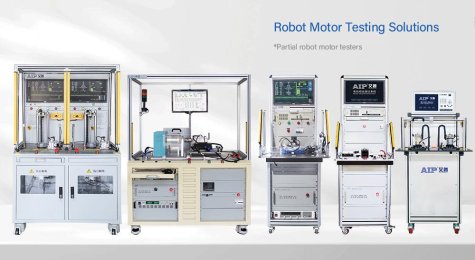
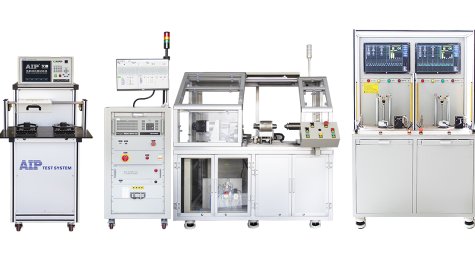
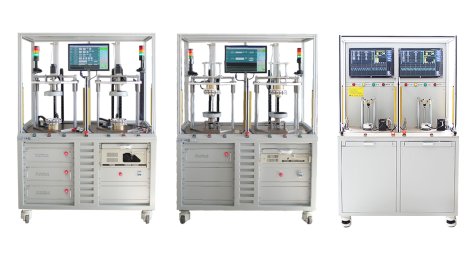
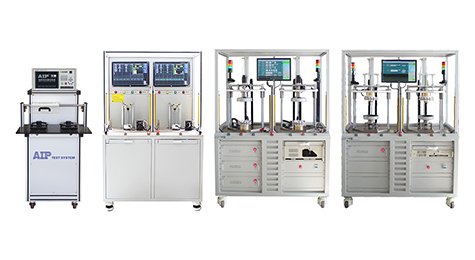
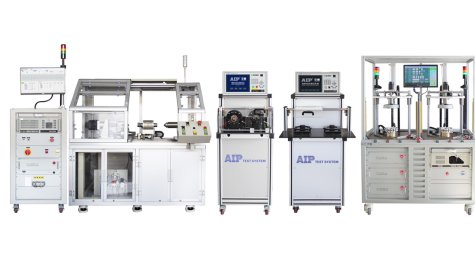
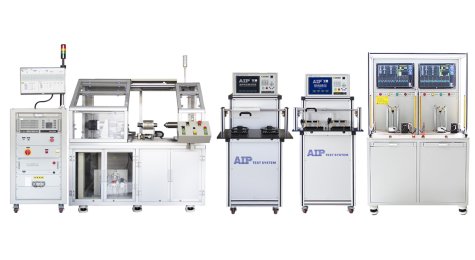
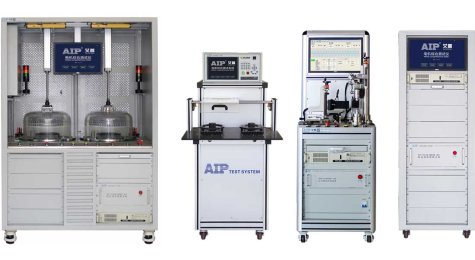
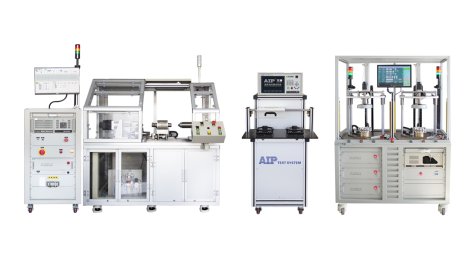
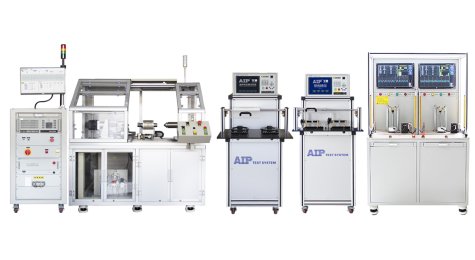
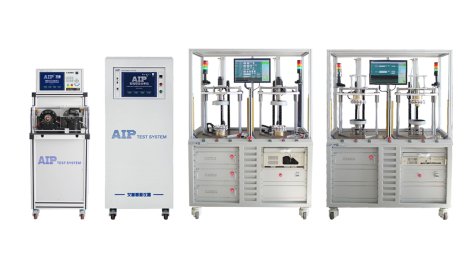
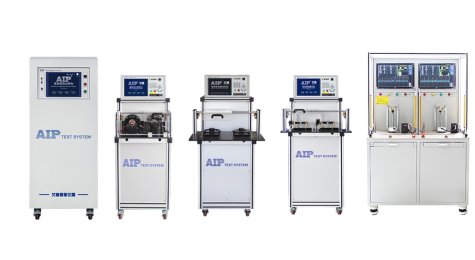
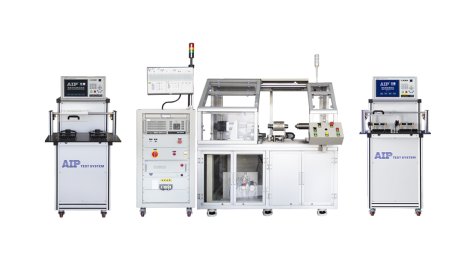
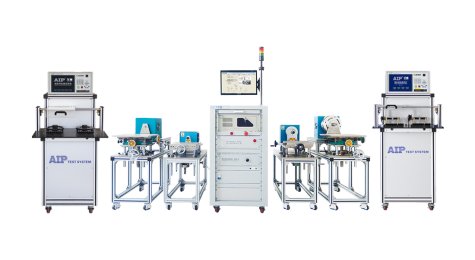
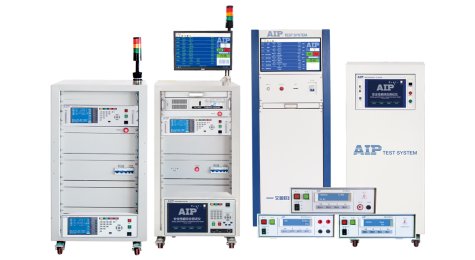
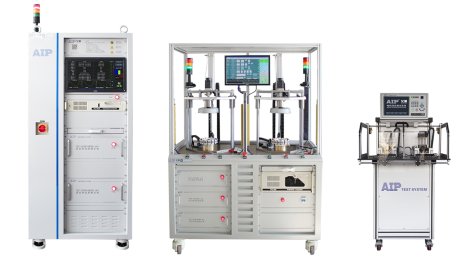
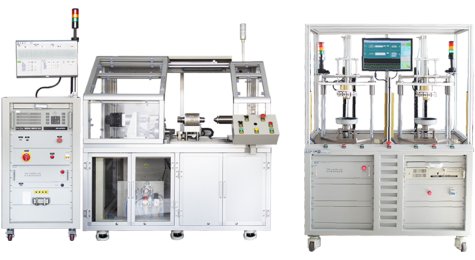
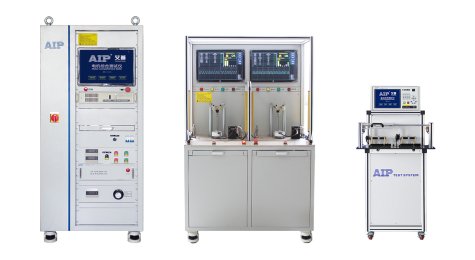
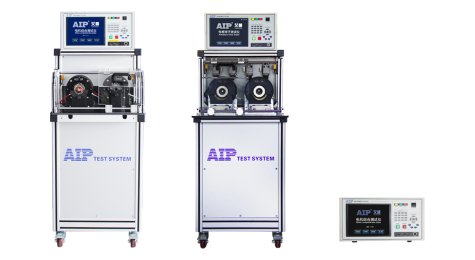
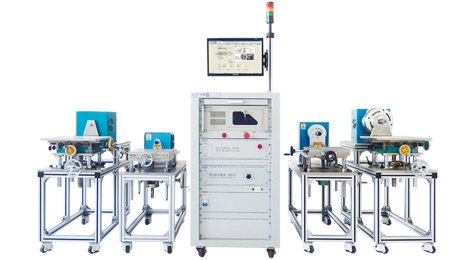
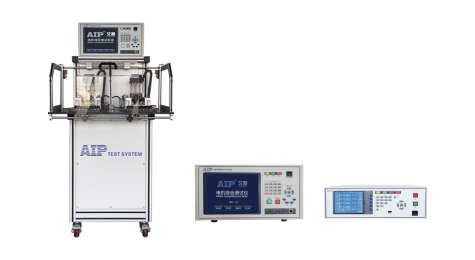
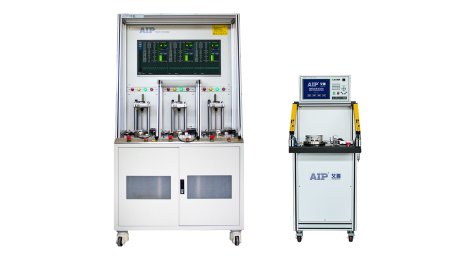
To resolve the operational challenges of multi-stage validation, industrial engineers require integrated diagnostic platforms. A single-cycle testing architecture consolidates different testing phases into a unified physical station. This engineering advancement allows factories to execute high-voltage dielectric safety checks and dynamic load performance testing sequentially within a single fixture setup. Specifically, the machine conducts alternating current Hipot, surge, and insulation resistance measurements before spinning the motor rotor. By executing these tests in an unbroken sequence, the assembly line minimizes part manipulation and completely eliminates manual transfer errors. To deliver these comprehensive capabilities, Qingdao AIP Intelligent Instrument Co., Ltd. develops advanced multi-functional testing equipment that adapts to diverse production layouts.
Furthermore, this integrated equipment incorporates a comprehensive brushless motor FCT tester module within its core functional control framework. This specialized module verifies critical electronic commutation components, including internal Hall sensor edge spacing and phase sequence alignment. The testing system also measures the power consumption of integrated driver boards under simulated electrical workloads. High-speed digital signal processors capture voltage waveforms, current distribution, speed parameters, and torque metrics concurrently within milliseconds. This rapid data acquisition ensures that the testing system evaluates the entire electromechanical system under realistic stress conditions. Consequently, factory operators obtain an exhaustive overview of motor health within a single, brief diagnostic window.
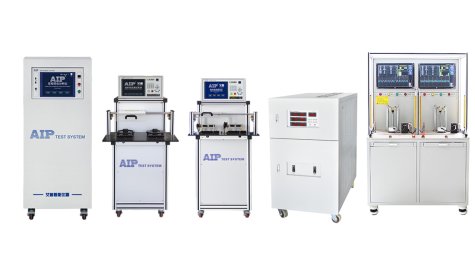
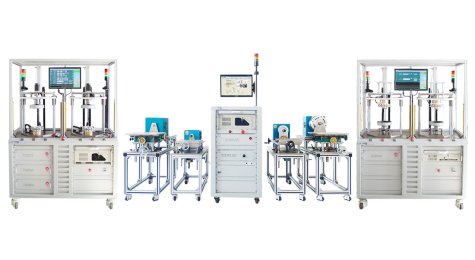
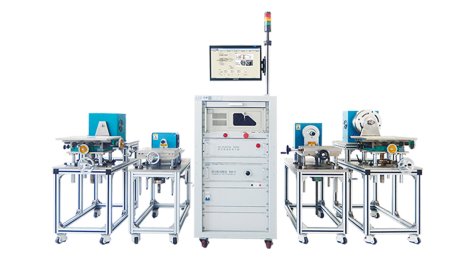
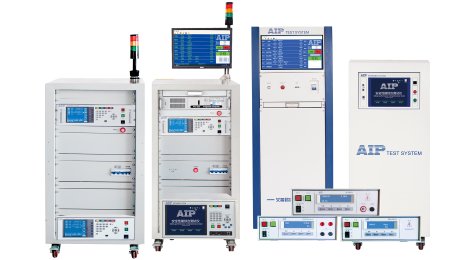
AIP's brushless motor testing portfolio covers the complete assembly hierarchy. For stator sub-assemblies, the system evaluates resistance, AC hi-pot, insulation, surge, inductance, and back-EMF waveform parameters, including phase difference and phase sequence. For permanent magnet rotors, dedicated test arrays measure back-EMF output and surface magnetic field distribution. At the complete motor level, the platform verifies back-EMF profiles, Hall sensor characteristics—including frequency, duty cycle, and signal levels—and supports both no-load and full-load performance testing. For high-end applications, cogging torque, separation torque, torque ripple, and the full T-N curve are additionally captured. Across all configurations, the equipment architecture emphasizes modularity and MES connectivity, enabling factories to select test modes independently, complete full-parameter validation in a single wiring setup, and transmit results directly to plant-level data infrastructure.
Advanced Analytics for Sensored and Sensorless Drive Implementations
Brushless motors deploy different control strategies depending on their intended commercial applications. For instance, sensored motor configurations rely on localized magnetic encoders or physical Hall components to transmit precise rotor position data to the electronic control unit. The diagnostic hardware must evaluate the exact duty cycle, signal frequency, and geometric placement accuracy of these internal sensors. If a sensor exhibits minor physical misalignment, the motor suffers from poor timing control and decreased operational torque. To address this risk, custom evaluation arrays verify sensor alignment during active rotation cycles to ensure flawless timing synchronization.
Alternatively, sensorless motor configurations do not utilize physical position sensors inside the stator housing. Instead, the external driver board calculates the rotor position by analyzing back electromotive force signals from the unenergized phase windings. Validating these sensorless units requires high-accuracy mathematical algorithms to determine the voltage constant, commonly known as the Ke constant. The evaluation system traces phase angle transitions accurately without requiring physical contact with the rotating assembly. To achieve this level of diagnostic precision, AIP Instrument(Qingdao AIP Intelligent Instrument Co., Ltd.) implements high-resolution analytics that process complex sensorless signatures in real time. This sophisticated analysis ensures that the stator winding structure completely matches the operational algorithms of the intended external drive controller, preventing field compatibility failures.

Engineering Profitability: Conquering Takt Time and Factory Floor Data Gaps
Industrial profitability relies directly on maintaining optimal cycle times across high-volume automated production environments. Therefore, advanced testing equipment must complete extensive electrical and mechanical diagnostics within strict Takt time limits, which generally range between six and twelve seconds. To meet these aggressive production deadlines, AIP Instrument integrates ultra-fast relational switching circuits into its data acquisition hardware. These specialized modules compress multiple test phases into an efficient sequence, allowing large factories to protect their throughput targets. Manufacturing facilities can enforce total quality verification without experiencing output delays or line stoppages.
In addition, the testing architecture embeds micro-accelerometers and specialized acoustic sensors directly into the active pneumatic test nests. These sensors capture structural vibrations and airborne acoustic signatures while the motor operates at maximum velocity. The software processes these noise, vibration, and harshness metrics on the fly to flag mechanical imbalances or bearing imperfections. Immediately after the cycle finishes, the system transmits the diagnostic results to plant-wide Manufacturing Execution Systems using standardized industrial communication protocols. This cyber-physical integration converts raw data streams into actionable manufacturing intelligence. Factory managers can monitor quality trends across multiple assembly lines, predict tool wear patterns, and optimize upstream winding parameters before defects occur.
Conclusion: Securing the Future of Motion Control with a Proven Innovation Leader
Modern micro-motor manufacturing requires a definitive transition away from fragmented quality control methodologies. As global demand for brushless direct current motors continues to expand, enterprises must adopt multi-functional, single-cycle testing benchmarks to protect operational margins. Implementing high-precision electrical diagnostics and automated performance verification allows companies to protect their production investments and reduce quality-related financial exposure. This proactive strategy minimizes product scrap, enhances first-pass yield rates, and ensures that every delivered motor satisfies strict international quality standards. Choosing an established testing authority empowers manufacturing businesses to achieve total quality confidence and maintain high market competitiveness over long lifecycles.
To review specialized industrial testing configurations and access comprehensive technical specifications, explore the official global portal at https://www.aiptesting.com/.