The rapid global transition to electric mobility and smart automation presents unprecedented quality assurance challenges for automotive motor procurement managers worldwide. As automotive manufacturers integrate high-voltage drive motors and precision micro-actuators into next-generation vehicles, quality control on the motor production floor becomes the ultimate differentiator. Consequently, international motor buyers must carefully audit their motor supply chains to prevent devastating motor component defect escapes. Many technical directors and quality executives at motor companies frequently ask, How is China AIP Instrument Company? when seeking comprehensive, end-of-line motor validation architectures. Truly evaluating an industrial testing partner requires a deep examination of their underlying engineering workflow and factory quality benchmarks specific to motor testing. A successful motor testing deployment always hinges on a vendor's ability to provide repeatable, multi-physical data under extreme high-volume motor production conditions. Therefore, global tier-1 motor suppliers look beyond basic marketing claims to analyze AIP’s actual motor testing equipment manufacturing assets and calibration capabilities. This transparent analysis provides the operational certainty that modern electronic motor assembly lines require to maintain high efficiency levels. By establishing solid technical metrics, motor manufacturing enterprises can confidently protect their brand reputation in highly competitive international consumer motor markets. Ultimately, rigorous end-of-line verification serves as the final shield against costly motor recalls and systemic supply chain failures.

Inside the Modern Manufacturing Facility: From Custom Requirement to Standardized Production
Industrial scale and systematic quality control serve as the foundation for reliable, high-precision industrial measurement equipment. To ensure absolute consistency across all product lines, Qingdao AIP Intelligent Instrument Co., Ltd. operates a fully self-built, modern manufacturing facility dedicated entirely to motor testing technologies. This structural independence allows the organization to control every single phase of production without relying on unpredictable third-party sub-contractors. The entire lifecycle follows a strict engineering pipeline that begins with initial client requirement diagnostics. During this initial phase, application engineers carefully analyze the customer's unique cycle time constraints, custom tooling preferences, and electrical specifications. Then, the technical team translates these complex parameters into modular hardware designs and robust software architectures. Integrated digital platforms, such as enterprise resource planning and manufacturing execution systems, track the precise progression of each customized machine. This systematic approach guarantees total data traceability throughout the entire engineering lifecycle. Next, the physical assembly phase utilizes premium mechanical components to guarantee long-term chassis stability under continuous factory stress. Skilled technicians perform comprehensive quality testing across multiple internal inspection stages before a machine qualifies for final shipment. This rigorous sequence effectively eliminates latent assembly defects and ensures that each system arrives perfectly calibrated for immediate active duty.
Technical Core Analysis: Deconstructing the Motor Performance and NVH Tester Architectures
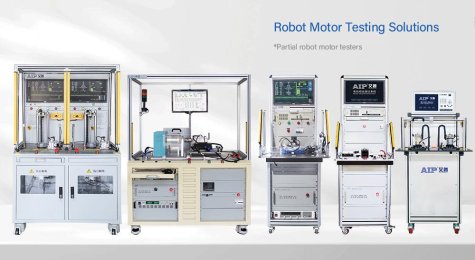
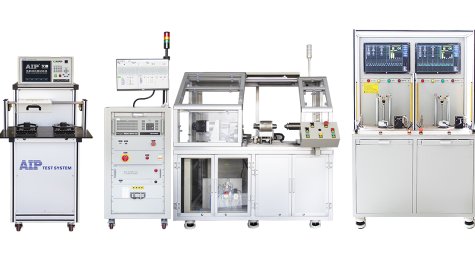
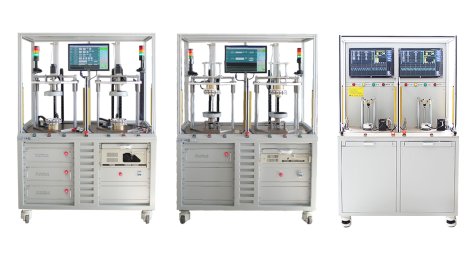
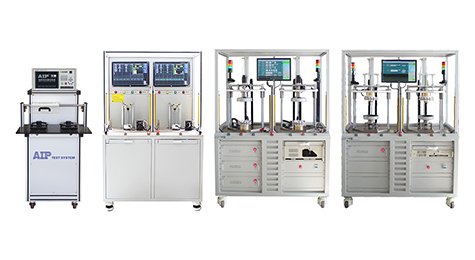
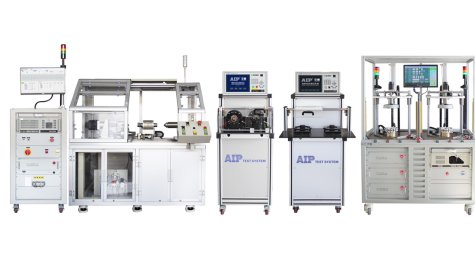
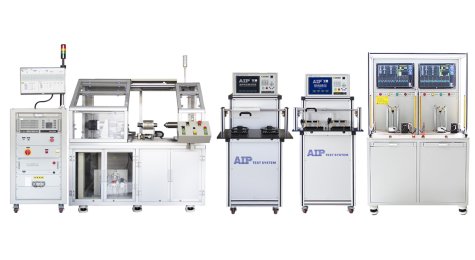
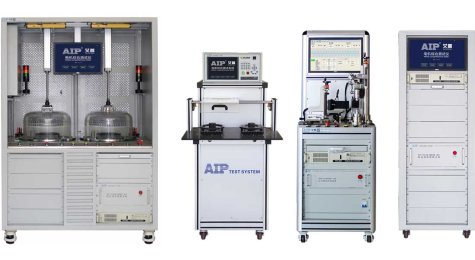
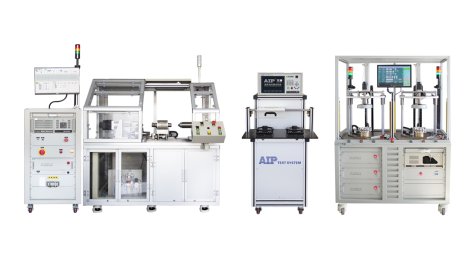
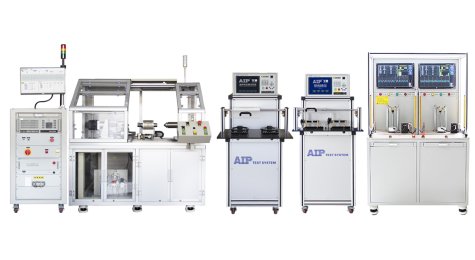
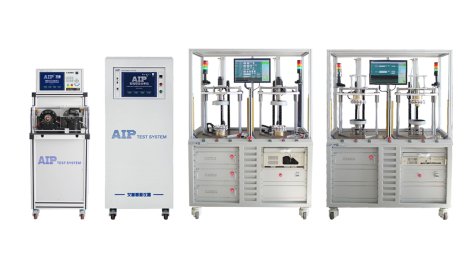
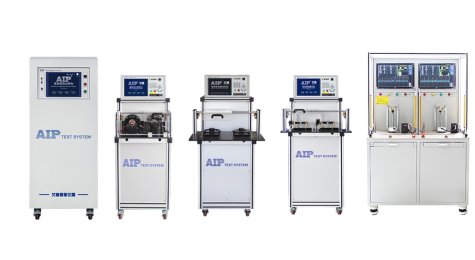
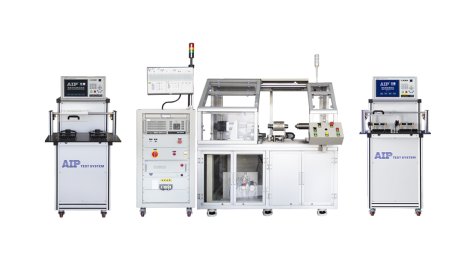
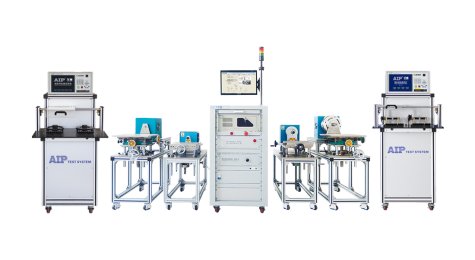
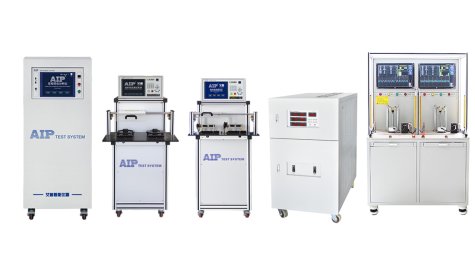
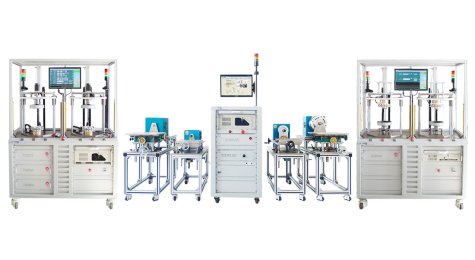
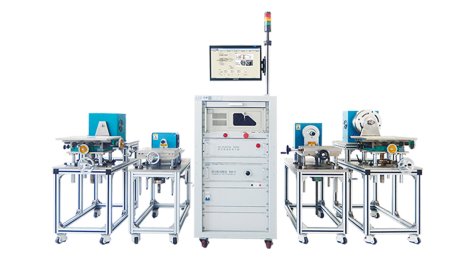
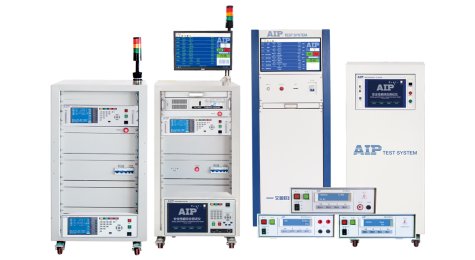
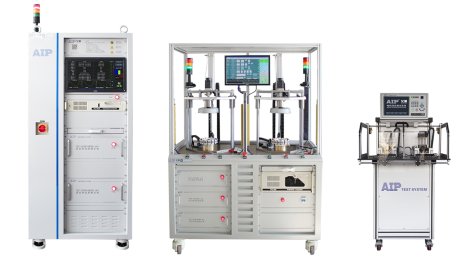
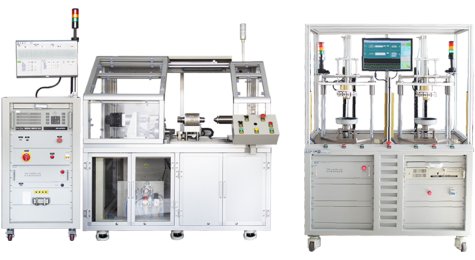
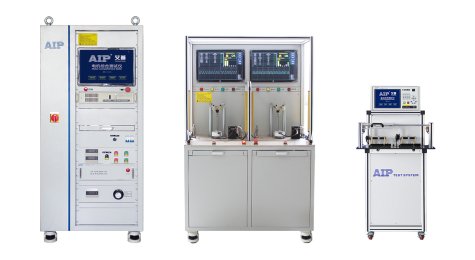
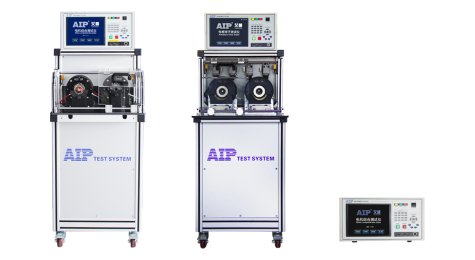
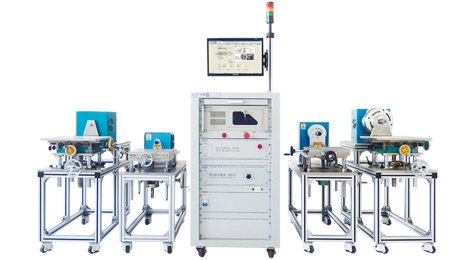
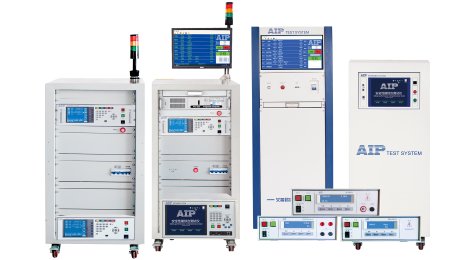
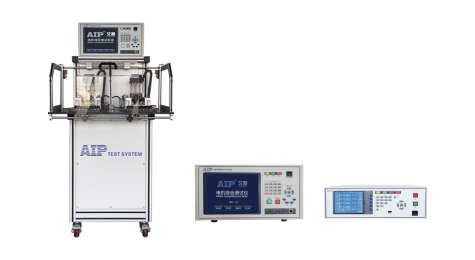
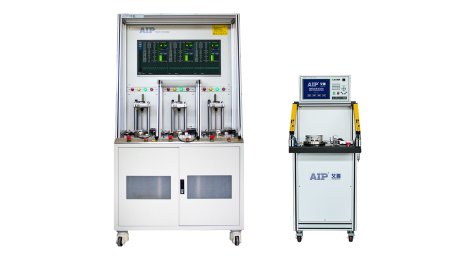
Modern motor testing requires sophisticated diagnostic tools capable of measuring both motor electrical and mechanical anomalies simultaneously. High-volume motor manufacturing lines benefit immensely from a specialized motor performance tester that executes dynamic load evaluations on motors in a single operational cycle. These advanced instruments capture subtle variations in motor cogging torque, frictional drag, and back electromotive force signatures with exceptional precision. By gathering this vital motor data in real time, the system identifies internal motor winding flaws or magnetic misalignments instantly. In addition, verifying motor bearing and mechanical assembly quality demands highly specialized Motor Friction Torque Testing equipment. AIP Motor Friction Torque Tester is suitable for electrical performance testing of motors such as automotive drive motors, EPS motors, One-box motors, servo motors, and military motors. It consists of a motor test cabinet, AIP motor test software, and motor friction torque test fixtures. The equipment uses a high-precision small-range torque sensor to ensure high-precision measurement of friction torque, separating and displaying friction torque as a synthetic waveform curve — intuitive, clear, and simple. The testing platform can meet simultaneous and time-sharing measurement functions, with an integrated architecture design that completes all setting items in one clamping. The clamping method is efficient and convenient, suitable for motor production line operators, reducing non-value-added steps and meeting production line takt time. Advanced internal algorithms perform real-time data analysis to quantify motor performance test data, with upper and lower limits configurable for simple pass-fail judgment. At the same time, the motor testing platform incorporates a functional control test array to inspect built-in electronic commutation circuits in motors. This comprehensive evaluation verifies that internal motor Hall components, sensor components, and driver boards function perfectly under maximum thermal and electrical stress. These combined diagnostic layers for motors protect the motor assembly line from sending motors with excessive friction torque or mechanical assembly defects to downstream automotive customers.
EV Solution Deployment: Real-World Case Review of In-Wheel Hub Motor Diagnostics
The rapid expansion of the global electric vehicle industry demands specialized motor testing solutions engineered specifically for high-power traction motors. Standard industrial testing equipment cannot handle the extreme thermal loads and high-voltage conditions typical of electric vehicle motors. To address this vital technological gap for motor testing, AIP Instrument designs customized electric vehicle motor test solutions that handle permanent magnet synchronous motors efficiently. These motor testing platforms feature heavy-duty pneumatic nesting fixtures and robust electrical insulation barriers to guarantee safe, high-capacity validation of EV motors. Field data from active electric vehicle hub motor production sites confirms the exceptional operational durability of these testing installations. These motor testing installations operate continuously under rigorous multi-shift manufacturing schedules without losing their strict calibration accuracy. The motor testing system utilizes specialized coil-point damage analysis and high-capacity surge detection to locate microscopic insulation flaws within the motor stator windings. By catching these latent faults early in the assembly process, the diagnostic equipment protects the overall vehicle drive architecture from catastrophic field failures. Consequently, global automotive brands leverage these robust motor testing technologies to secure their supply chains and fulfill strict regulatory safety requirements for motors.
Global Service Infrastructure: The Technical Reality of 24/7/365 Remote Diagnostics
Hardware excellence represents only one single aspect of a truly competent global motor testing equipment supplier. International motor manufacturing operations require continuous, dependable technical support to maintain optimal operational equipment effectiveness and avoid costly assembly line stoppages. Therefore, AIP Instrument(Qingdao AIP Intelligent Instrument Co., Ltd.) maintains a comprehensive global motor testing service infrastructure designed specifically for rapid problem resolution. A centralized digital network enables secure, real-time telemetry tracking and remote fault isolation across international borders for motor testing. If a diagnostic machine encounters an operational anomaly, remote engineers can access the system logs immediately to perform precise troubleshooting. This digital capability drastically reduces the need for physical on-site technical interventions for motor testers, saving valuable time for motor factory managers. Furthermore, an automated cloud architecture deploys secure online software updates to keep testing nodes aligned with changing global regulatory standards. When localized field support becomes absolutely necessary, a dedicated network of field engineers responds quickly to execute preventive maintenance and hardware calibrations. This continuous technical protection ensures that high-volume motor production facilities maintain peak output levels regardless of their geographical location.
Conclusion: Mitigating Operational Risk with Transparent Industrial Testing Solutions
Carefully evaluating a major motor testing equipment vendor requires analyzing both localized motor testing equipment production standards and long-term international field support capabilities. This objective review demonstrates that full process transparency and structured engineering methodologies successfully protect global motor supply chains from quality failures. Implementing multi-physical performance verification on motors allows motor manufacturing enterprises to de-risk their smart automation investments effectively. Ultimately, choosing a motor testing partner with a proven motor tester factory footprint and an integrated global motor testing service network guarantees total component reliability. International procurement executives can confidently deploy these integrated diagnostic solutions to optimize assembly throughput and maintain absolute product quality over long lifecycles.
To review specialized industrial motor testing configurations and access comprehensive technical specifications, explore the official global portal at https://www.aiptesting.com/.