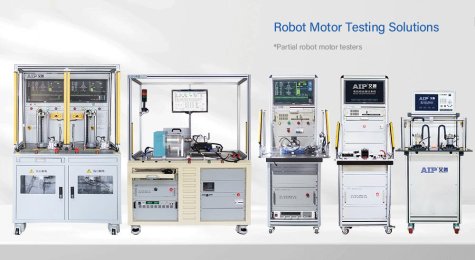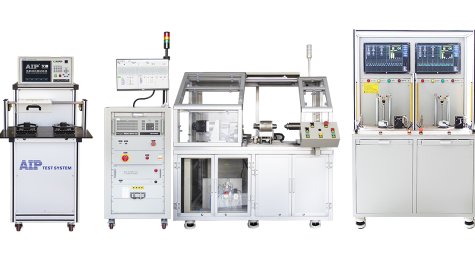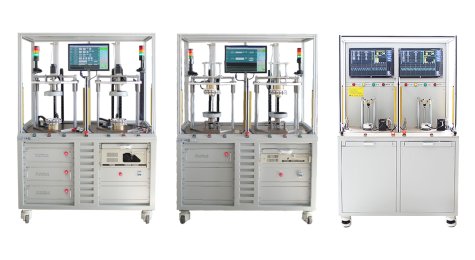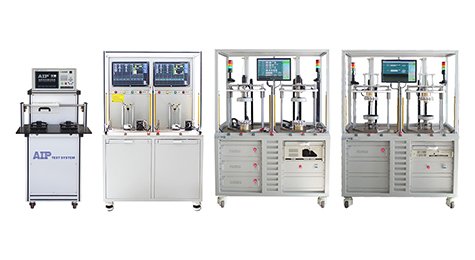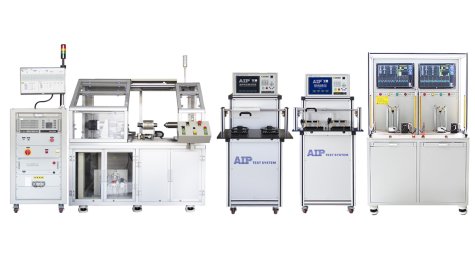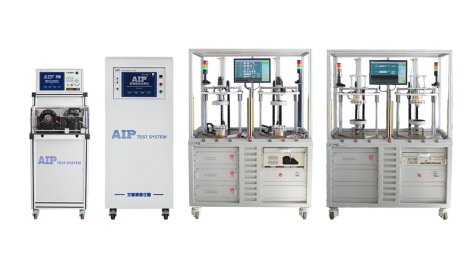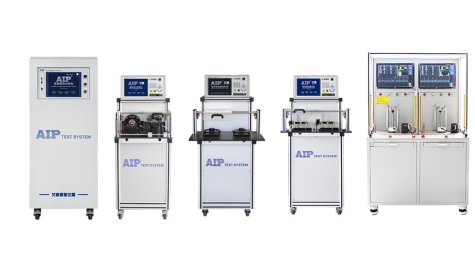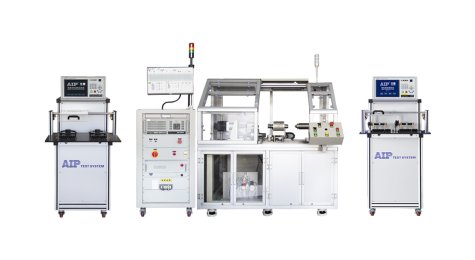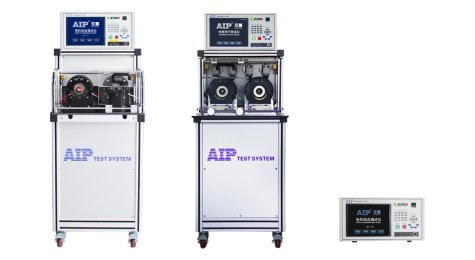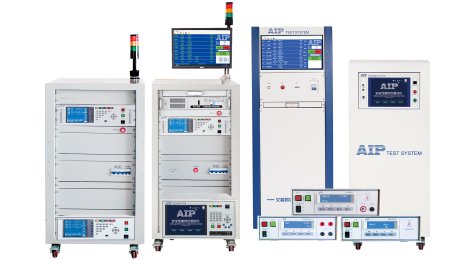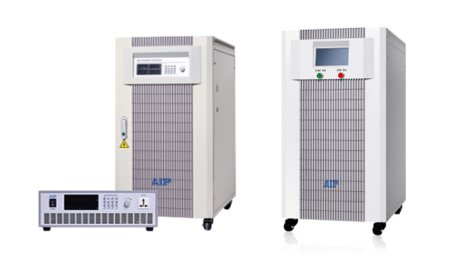
With the continued growth in demand for artificial intelligence (AI) computing power, high-density data centers are placing higher demands on the performance and reliability of their cooling systems. As an important component of cooling systems, the quality and operational status monitoring of EC fans are receiving increasing attention.
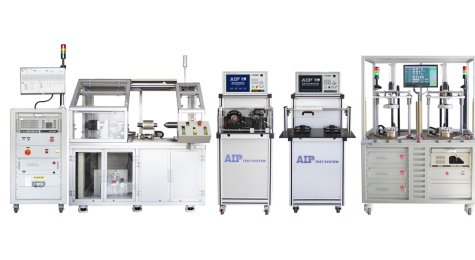
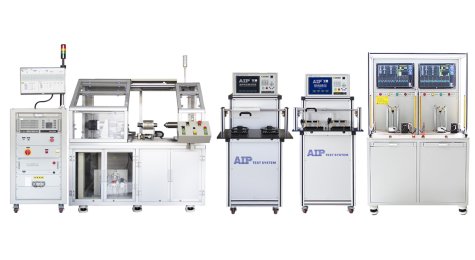
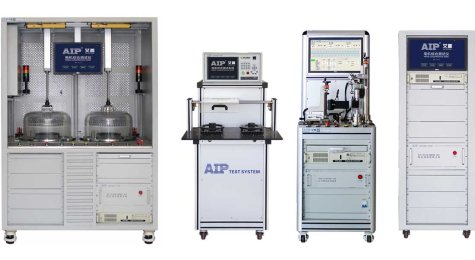
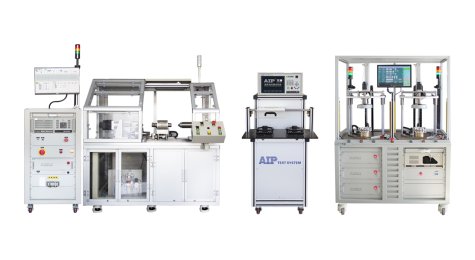
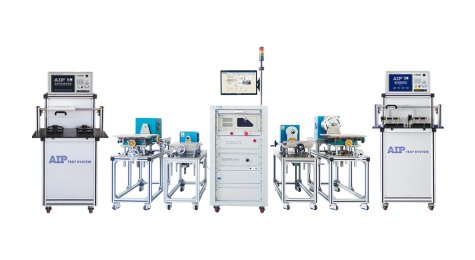
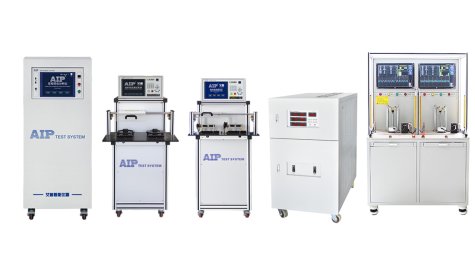
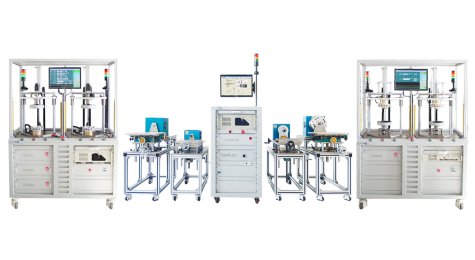
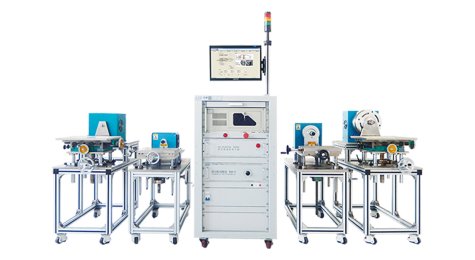
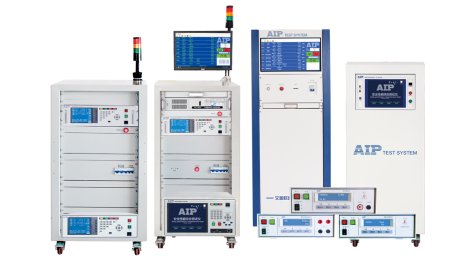
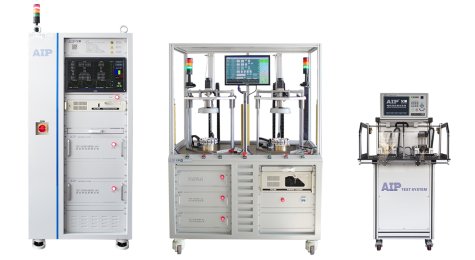
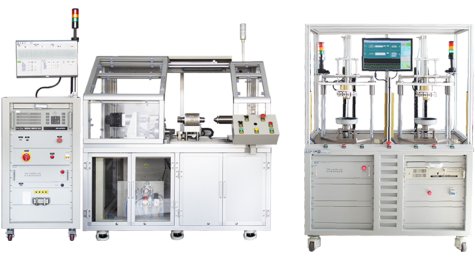
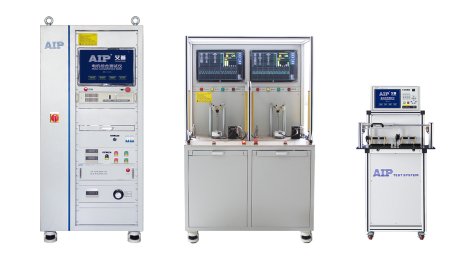
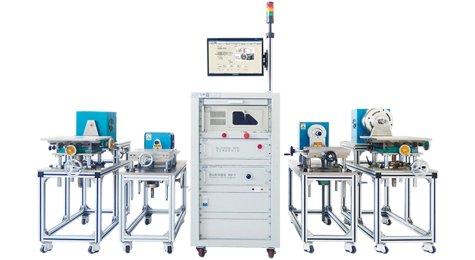
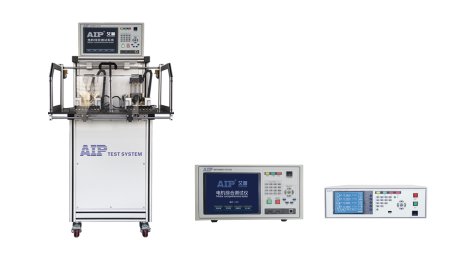
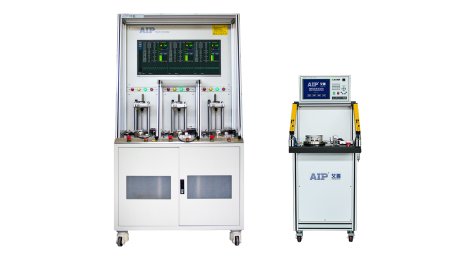
Recently, AIP Instrument delivered a highly customized EC wind turbine comprehensive testing system to its customer. This system integrates electrical safety testing, electrical performance testing, speed control, dynamic monitoring, communication testing, and customized testing functions, comprehensively covering multiple EC wind turbine testing requirements.
By combining comprehensive testing capabilities with customized mechanical structures, safety interlocks, and data traceability functions, this system provides a more targeted testing solution for EC wind turbine production inspection.
![]()
The EC wind turbine comprehensive testing system delivered this time covers a range of tests including AC hi-pot, DC resistance, insulation, no-load, grounding, leakage, overvoltage, undervoltage, phase loss, FG signal, voltage detection, speed, direction of rotation, relay alarm signal, speed control, and vibration monitoring, meeting multi-dimensional testing needs.
![]()
1. Wide voltage range testing and high-precision measurement
The system supports AC 20~600 V wide voltage testing, and the accuracy of open-circuit voltage, current, and power testing is ±0.5%.
In terms of power testing, the system supports 7.5 kW testing and can be customized up to 12 kW, which can be adapted to the testing needs and operating conditions of different products.
2. Multi-mode speed control
To meet the speed control requirements of different EC fans, the system supports analog speed control of 0.5~10 V, 4~20 mA, and 10~24 V.
Meanwhile, the system is compatible with standard Modbus communication speed control and customized Modbus RTU communication speed control, and supports high- and low-speed switching during no-load testing. The switching process is stable and shock-free.
3. Fan start/stop status detection
The system uses speed criteria to determine the start-up and stop status of the fan.
For three-phase fans, single-phase fans without communication, and single-phase fans with communication, the system can set stop and start control voltage thresholds, respectively, and determine the start and stop status of the fan based on the speed and set conditions, which helps to reduce misjudgments during the testing process.
4. FG Feedback and Fault Signal Detection
The system can capture FG feedback signals and high/low level states, and determine the conduction and disconnection of NC, NO, and COM terminals for fault signals, as well as perform high/low level logic detection.
In addition, the system supports distinguishing between power-on and power-off states and has a low-voltage braking test function to meet relevant signal detection requirements.
5. Grounding test and dynamic performance monitoring
The system supports wide-range current grounding resistance testing and is equipped with a photoelectric speed sensor and a wide-frequency vibration monitoring system.
With the help of relevant testing devices, the system can simultaneously collect multiple dynamic indicators and read vibration test values in real time, providing data support for the dynamic performance testing of wind turbines.
6. Communication-based motor temperature detection
For EC motors with communication capabilities, the system reads relevant data through Modbus RTU and RS485 communication, and uses a sliding filter algorithm to obtain the average temperature, thereby realizing motor temperature monitoring during the test process.
This function helps operators monitor the motor temperature during testing, providing data reference for relevant inspections and quality assessments.
In addition to testing functions, AIP has also customized the system's mechanical structure, communication interfaces, and data traceability functions based on the customer's product structure, installation method, safety requirements, and production informatization needs.
This system adopts a single-station, 20-channel configuration and supports testing of large-diameter wind turbines.
To meet the actual installation needs of customers, the system introduces an auxiliary boom hoisting structure and upgrades the equipment lifting method to double-sided lifting, combined with a distributed manual clamping device, to adapt to special working conditions such as fixed bracket installation and solve related installation and operation problems.
The system is equipped with an electromagnetic lock safety interlock protection. When the electromagnetic lock is in the open state, the equipment cannot start, thus meeting the corresponding safety interlock requirements.
In terms of communication design, the system uses high-voltage relays to isolate the 8 serial ports between the EC fan RS485 communication line and the industrial control computer, which helps to improve the electrical safety and anti-interference capability of the system.
To meet the data management needs in the production process, the system is equipped with barcode scanning function as standard and MES interface to support full-process traceability of test data.
By integrating with the MES system through barcode recognition, the testing equipment can provide data support for product identification, test record management, and production quality traceability, helping customers better connect the testing process with the production management process.
![]()
With the development of AI computing infrastructure, the importance of data center cooling systems is constantly increasing, and related fan manufacturers are also putting forward diverse requirements for the coverage of product testing, testing accuracy, control compatibility, and data management capabilities.
The delivery of this customized EC wind turbine integrated testing system demonstrates AIP's ability to design and integrate systems based on actual customer needs in the field of motor testing equipment.
From electrical safety and performance testing to speed control, dynamic monitoring, and communication testing, as well as mechanical structure customization, safety interlocking, and MES data traceability, AIP is committed to integrating different testing needs into comprehensive testing solutions that adapt to customer application scenarios.
In the future, AIP will continue to focus on the global motor testing field, continuously optimize testing equipment and solutions, provide customers with professional motor testing support, and help customers improve their product quality testing capabilities.
![]()
If you are looking for customized EC fan motor testing solutions, please contact AIP Instrument to discuss your product features, testing requirements, and production testing needs.