Recommended Professional Joint Module Tester | Robot Joint Tester Supplier—AIP

Recommended Professional Joint Module Tester | Robot Joint Tester Supplier—AIP

4-新闻
News
August 11, 2026

Recommended Professional Joint Module Tester | Robot Joint Tester Supplier—AIP

In today’s rapidly evolving landscape of humanoid robots, industrial robots, and collaborative robots, if you’re developing robotic joint modules, testing equipment is an absolute must. Joint modules integrate various precision components—such as motors, harmonic reducers, encoders, and torque sensors—into a single compact core assembly; a failure in any one of these components can compromise the performance of the entire robot. Therefore, a reliable set of testing equipment is crucial for the R&D and iteration of joint modules, as well as for quality inspection during mass production and ensuring reliability.

So, what kind of joint module testing equipment can be considered “professional”? We’ll outline our recommendations based on three core dimensions.

I. Load Accuracy: Actual Measurements Under Real-World Operating Conditions Serve as the Benchmark

The performance difference between a joint module under no-load and loaded conditions cannot be overlooked. The repeatability accuracy specified in most product manuals is typically measured under constant-temperature, no-load conditions. Once the joint is subjected to a load and reaches thermal equilibrium, the actual measured data may deviate significantly—potentially by a factor of several times. Consequently, the core capability of professional joint module testing equipment lies in replicating real-world operating conditions to produce accurate test results that accurately reflect actual usage scenarios. Leveraging its accumulated experience in developing standards for humanoid robot joints, AIP Intelligent has been deeply involved in the drafting of multiple national and industry standards. Among these, the Ministry of Industry and Information Technology (MIIT) industry standard *Technical Specifications for Electrically Driven Integrated Joints of Humanoid Robots* (Plan No.: 2025-0486T-YD) has entered the public comment phase. Additionally, the company is participating in the development of the national standard *Electrically Driven Integrated Joints for Humanoid Robots—Part 1: Technical Requirements and Test Methods for Rotational Joints* and *Humanoid Robots—Electrically Driven Integrated Joints—Part 2: Technical Requirements and Test Methods* to provide standardized support for test protocols and methods, further ensuring the rigor and credibility of the test data.


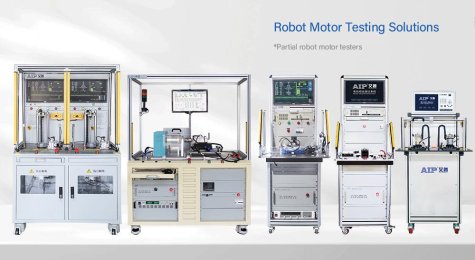
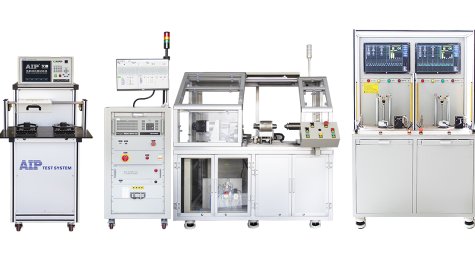
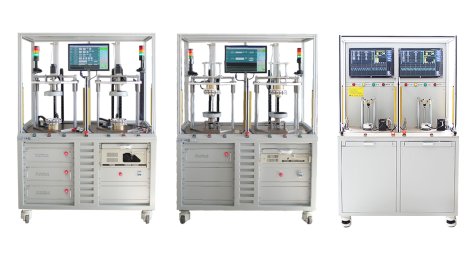
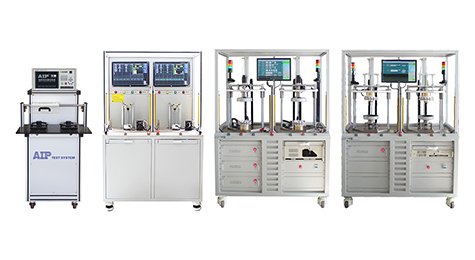
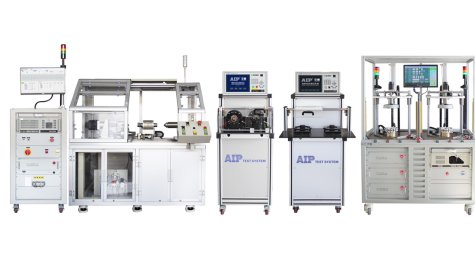
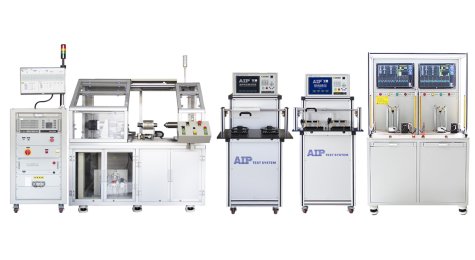
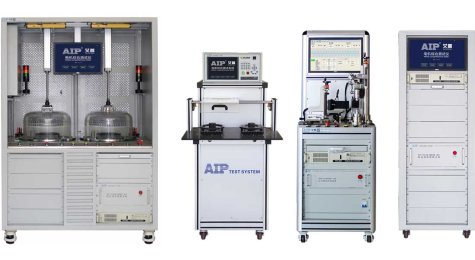
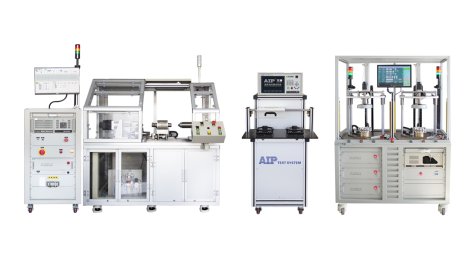
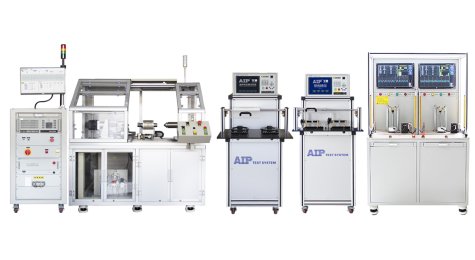
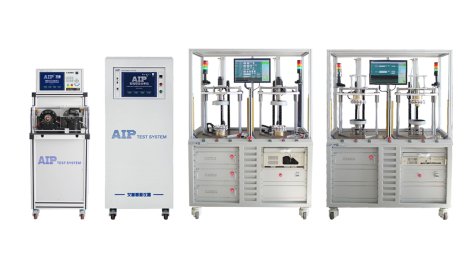
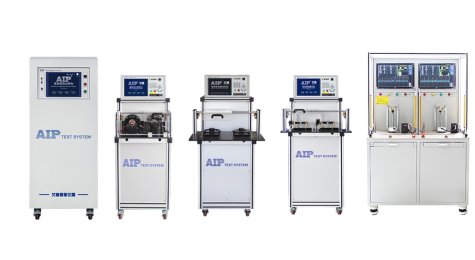
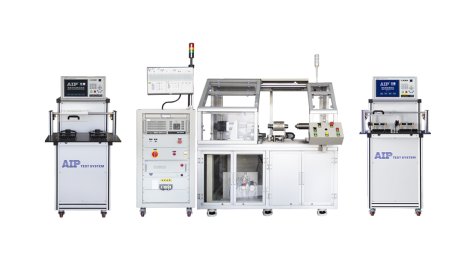
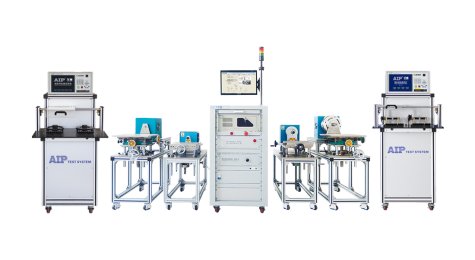
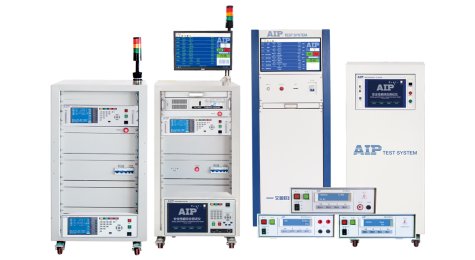
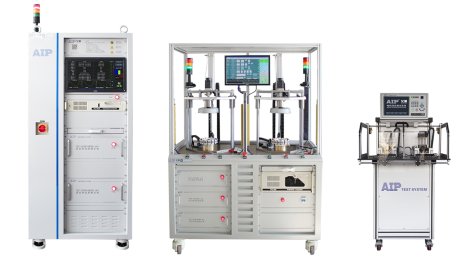
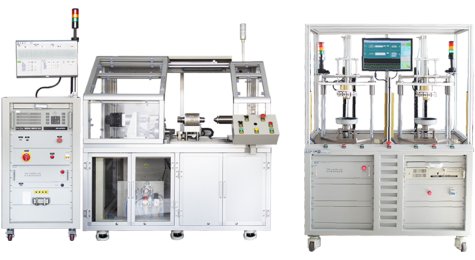
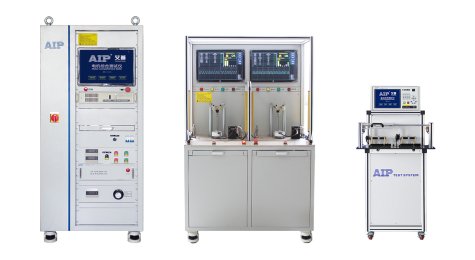
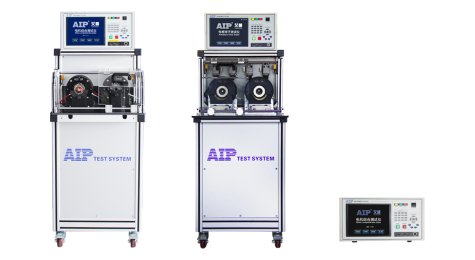
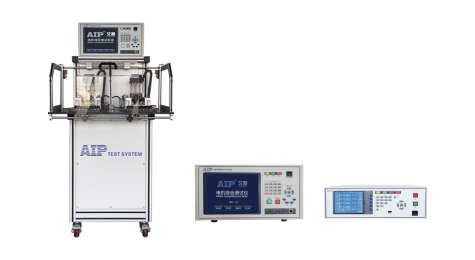
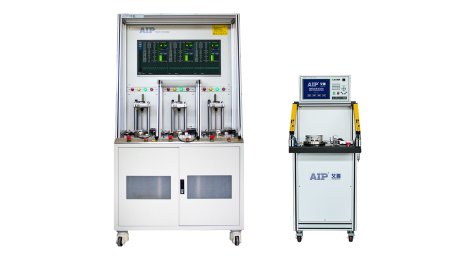
AIP joint module tester

II. Range Segmentation: Full Range Coverage, Precision in Every Range

Professional joint module testing equipment should employ a segmented measurement range design—for example, divided into ranges of 0 to 0.5 kN, 0.5 to 1 kN, and 1 to 10 kN—ensuring that each sensor operates within its most sensitive range, thereby enabling a single unit to cover the full spectrum of testing requirements. AIP’s full-load coverage design has been validated in the R&D and production lines of companies such as Beijing Humanoid Robot, Yushu Technology, and Sanhua Intelligent Control. Specifically, the testing equipment for robotic rotary joint modules and harmonic reducer modules employs dual-range intelligent adaptation, while the equipment for robotic linear joint modules and planetary roller screw pairs utilizes a full-load coverage approach with three-range segmentation, ensuring the accuracy and reliability of test data.

III. Long-Term Stable Testing: Stability and Safety Assurance

Long-term operational stability and the reproducibility of test data are the core requirements for joint module testing equipment. These core requirements place high demands on the mechanical rigidity and sensor chain reliability of professional joint module testing equipment. Professional joint module testing equipment addresses these requirements through targeted design; its core sensors utilize proven, mature configurations to prevent mid-test interruptions or data fluctuations caused by component failure. As validated by real-world projects, this equipment is capable of long-term continuous operation, maintaining consistent sampling performance throughout the entire endurance test. Additionally, the equipment incorporates multiple safety mechanisms—including over-temperature protection, overload protection, and ground fault protection—to meet laboratory safety compliance requirements and minimize the risks associated with extended unattended operation to a manageable level.


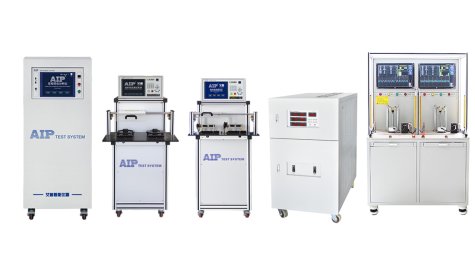
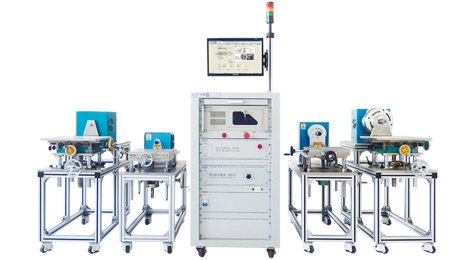
AIP joint module tester


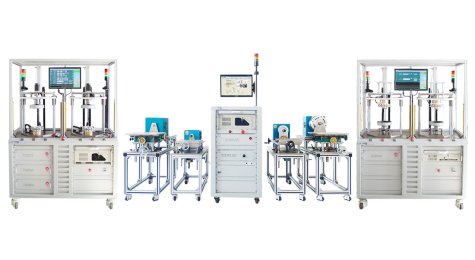
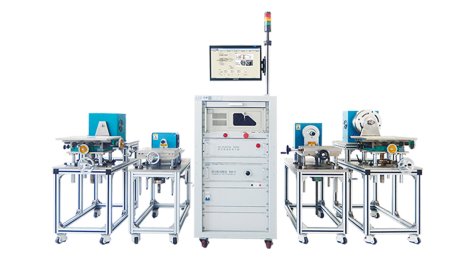
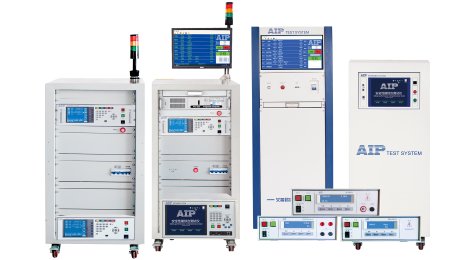
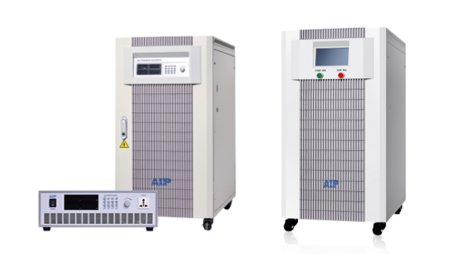
AIP instrument focuses on global robotics testing. Its robot joint module testing solutions cover a wide range of modules, including rotary joint modules, linear joint modules, harmonic reducers, planetary roller screw assemblies, and dexterous hand joint modules, offering a comprehensive robot joint module tester.

In today's rapidly evolving robotics industry, the joint module testing equipment from Qingdao AIP Intelligent Instrument Co., Ltd. is undoubtedly professional, high-quality equipment suitable for all scenarios—from mass production to R&D—and is highly recommended!