EPS Motor Five-Station Fully Automated Test Workstation | AIP Instrument

EPS Motor Five-Station Fully Automated Test Workstation | AIP Instrument

About Us
November 10, 2026

EPS Motor Five-Station Fully Automated Test Workstation | AIP Instrument

Industrial motor testing equipment not only needs to have high-precision testing capabilities, but also needs to meet the requirements of continuous operation and automated testing of production lines.

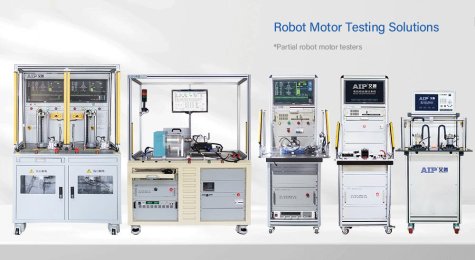
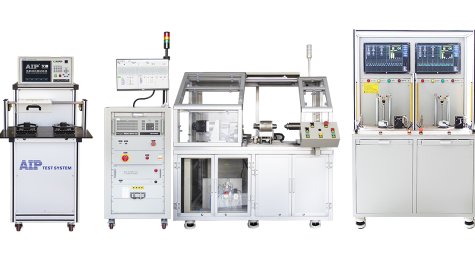
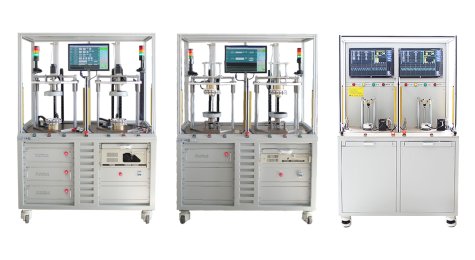
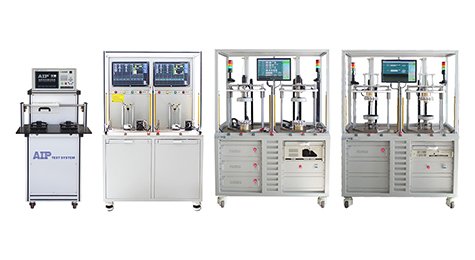
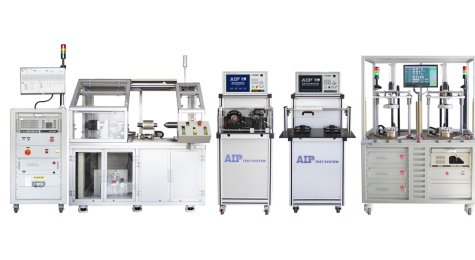
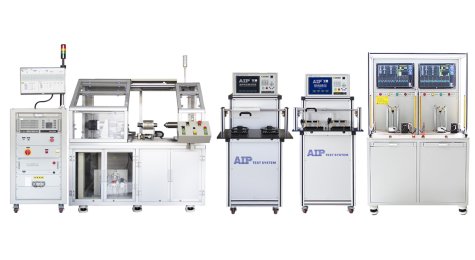
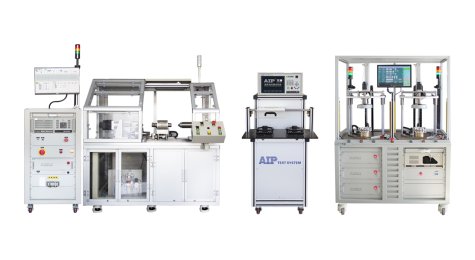
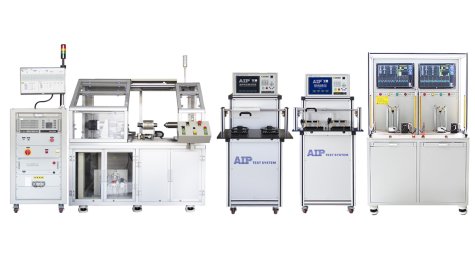
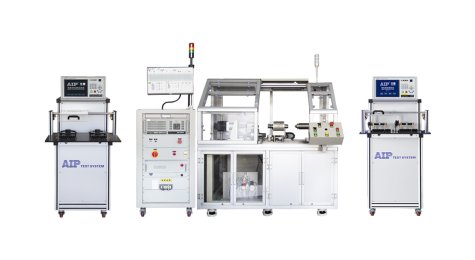
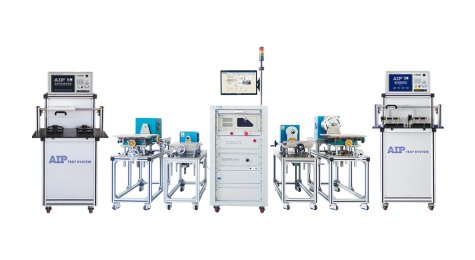
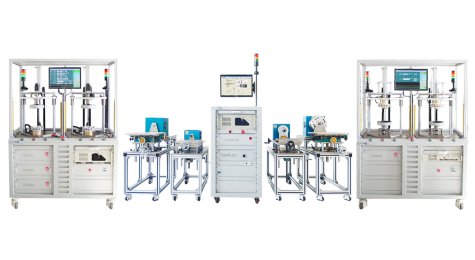
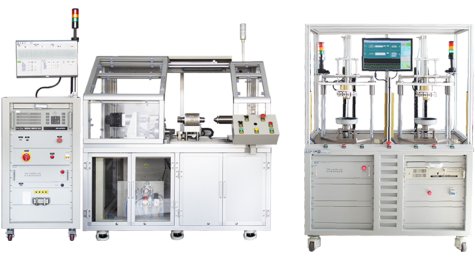
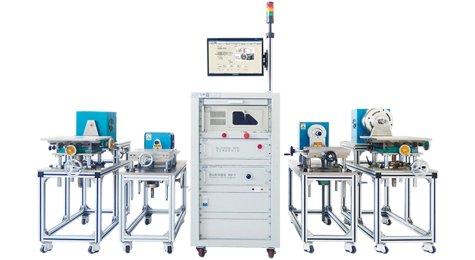
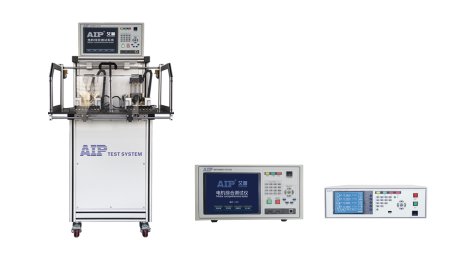
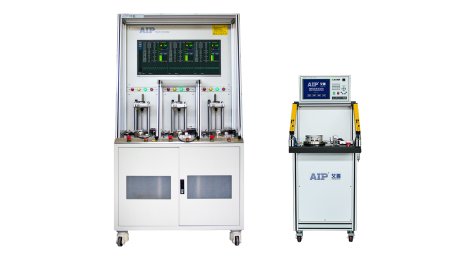
AIP Instrument EPS Motor Five-Station Fully Automated Testing Workstation has been in production and operation for several months. By integrating five core testing workstations, it realizes automated testing of multiple performance indicators of motors, providing an integrated testing solution for EPS motor production.

1. Five-station integration enables fully automated testing throughout the entire process.

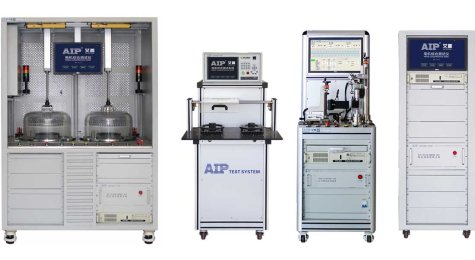
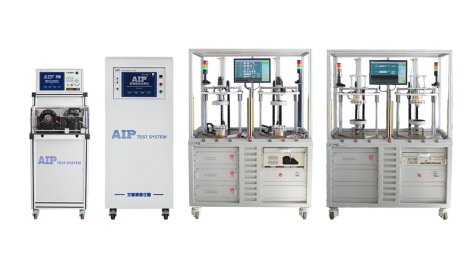
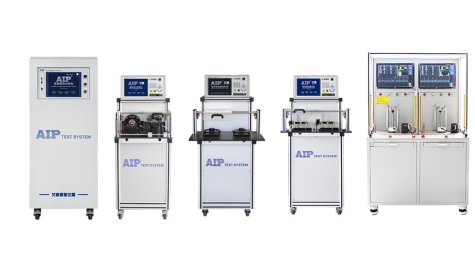
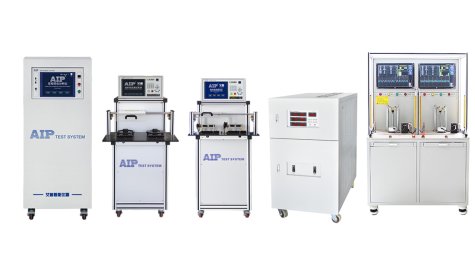
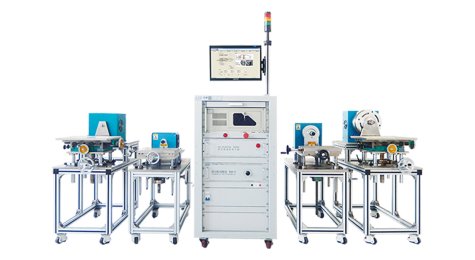
This workstation adopts an integrated structural design, integrating the following five test workstations:

■ Static electrical performance test

■ High-speed friction and back electromotive force test

■ Cogging torque test

■ Torque constant test

■ Load vibration test

Through an internal automatic conveying mechanism, the entire process of motor feeding, automatic rotation, testing, result judgment, and unloading is automated, reducing errors caused by manual intervention and repeated clamping.

Meanwhile, by combining high-precision tooling with intelligent couplings, the impact of mechanical eccentricity and transmission clearance on test results is reduced, ensuring the stability and consistency of the testing process.


AIP MOTOR TESTER

II. Five major testing stations comprehensively evaluate motor performance.

1. Static electrical performance testing

It automatically detects line-to-line resistance, inductance, insulation resistance, and inter-turn performance, and calculates multi-channel resistance imbalance to evaluate the basic electrical performance of the motor.

2. High-speed friction and back electromotive force test

The RMS value, peak-to-peak value, phase difference, total harmonic distortion (THD), and specific order harmonics of the back electromotive force (EMF) are detected, and the interference of the test bench is reduced through friction compensation technology.

3. Cogging torque test

Extract cogging torque data for key mechanical orders such as 8th, 12th, 24th, and 48th orders, analyze torque fluctuations, and evaluate the smoothness of motor operation.

4. Torque constant test

It supports synchronous power-on of dual-channel motors and switching of special short-circuit configurations, and collects peak and valley values of torque within a complete mechanical cycle to achieve torque constant (Kt) analysis.

5. Load vibration test

Simulates different speed and load conditions, collects torque, speed, and output power in real time, and detects the effective value and positive and negative peak values of X/Y/Z triaxial vibration to comprehensively evaluate the motor load performance and NVH performance.

III. Several months of mass production and operation to verify equipment stability

After several months of actual production operation, this workstation has continuously undertaken automated testing tasks for multiple EPS motor projects.

From multi-workstation collaboration and automated material flow to multi-dimensional performance testing, the integrated testing architecture meets the continuous testing needs of the production line and also provides support for quality control in the motor production process.

IV. Providing a one-stop motor testing solution

AIP (Qingdao AIP Intelligent Instruments Co., Ltd.) focuses on the research and development and manufacturing of motor testing equipment and automated testing systems, and is committed to becoming a leading global supplier of motor testing solutions, providing customers with one-stop motor testing solutions.

AIP will continue to optimize the testing system architecture and testing technology to provide motor manufacturers with reliable and efficient automated testing equipment, helping to upgrade production quality control and intelligent manufacturing.