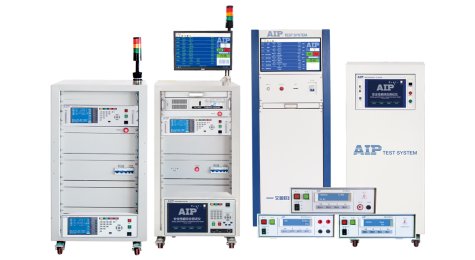
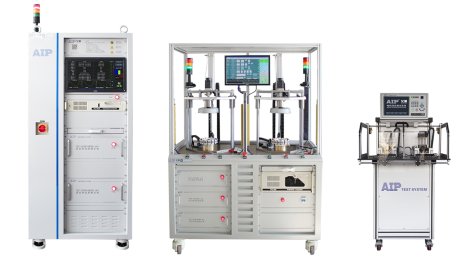
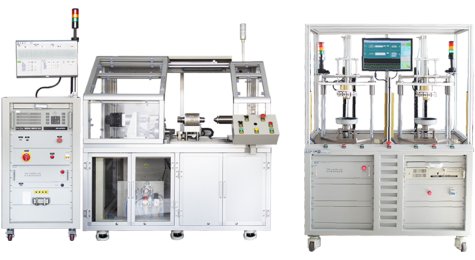
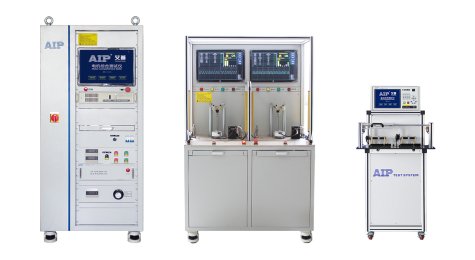
The rapid evolution of smart motor manufacturing completely reshapes how global motor facilities manage production quality. Today, high-precision motors demand strict zero-defect manufacturing policies, as their winding and insulation systems operate under intense electrical stress. Legacy motor manufacturing setups frequently relied on spot-checking or manual oversight to verify motor integrity. However, these slow inspection frameworks fail to capture hidden winding defects during rapid motor production cycles. To resolve these vulnerabilities, modern motor manufacturing plants look toward a Global Leading Motor Automation Test Solution Provider to protect their lines from field failures. Implementing fully integrated, 100% inline electrical verification systems for motors has become a baseline operational requirement for motor factories. These automated motor diagnostic systems eliminate human error, increase assembly speeds, and establish a transparent quality matrix across the motor factory floor. Consequently, motor manufacturers gain a distinct competitive edge by identifying flaws early in the motor assembly process.

Eliminating the Human Variable: The Architecture of Inline Motor Testing Networks
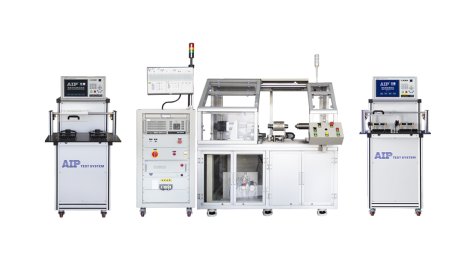
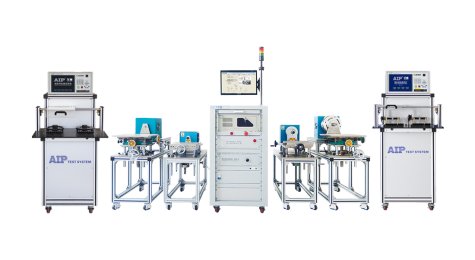
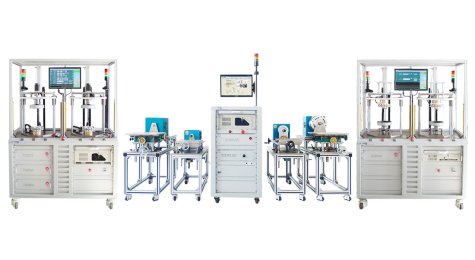
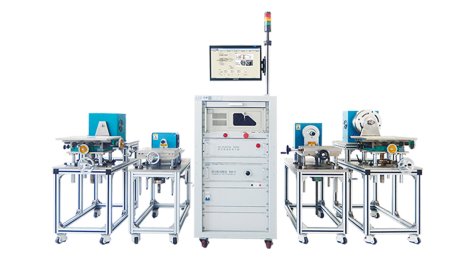
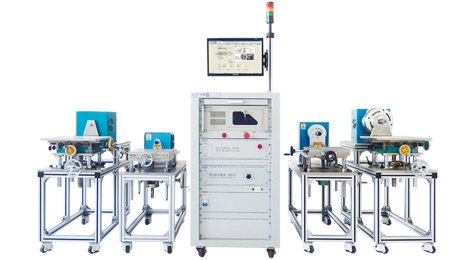
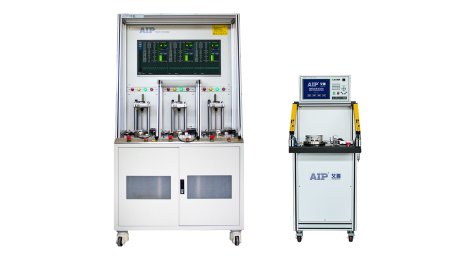
Motor automation testing requires specialized motor testing equipment that operates directly within active motor assembly line configurations. Legacy motor testing methodologies usually required operators to manually transfer stators or rotors to isolated diagnostic benches, which severely restricted motor production throughput. Therefore, motor factories rely on inline motor testing systems that fit perfectly into friction-roller conveyors, localized pallet routing systems, and indexing dial tables. Automated material handling mechanisms transport delicate motor components without requiring human intervention. Consequently, this continuous automated sequence completely removes operator subjectivity from the motor quality control process.
Furthermore, the mechanical interaction between the motor testing station and the motor demands flawless engineering precision. For instance, the system utilizes vision-guided robotic placement and pneumatic clamping mechanisms to establish precise high-voltage electrical connections within milliseconds. This rapid physical interface establishes safe electrical connectivity without causing physical scratches on motor copper windings or delicate motor frames. If a motor component fails to meet any specified threshold, the software immediately triggers automated pass-fail diverting gates. The system automatically routes the rejected motor component to a secure rework enclosure while the main line continues operating at maximum velocity. Through this mechanism, industrial motor plants achieve unbroken material flows while maintaining a rigorous quality defensive line against motor electrical defects.
AIP Instrument ensures seamless automation integration by standardizing hardware and software interfaces at the development stage. Equipment is configured with LAN, RS232, and RS485 communication interfaces, supporting TCP/IP protocols and native MES connectivity. Once installed, motor line operators require only signal connections to enable fully automated production. Upon test completion, results are automatically uploaded to a central SQL server, completing an unbroken automated loop from startup through result output to data archiving.
Segregated Flow Integrity: Custom Automated Arrays Across the Motor Production Lifespan
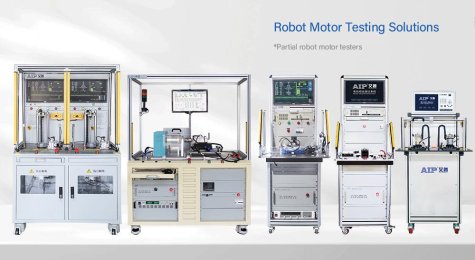
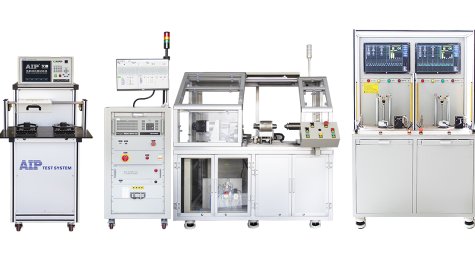
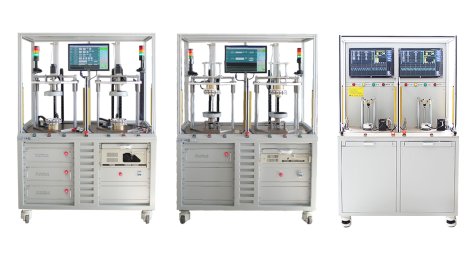
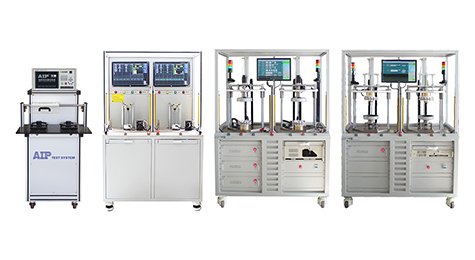
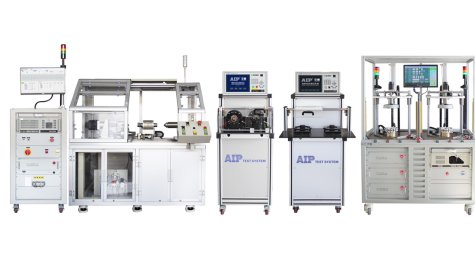
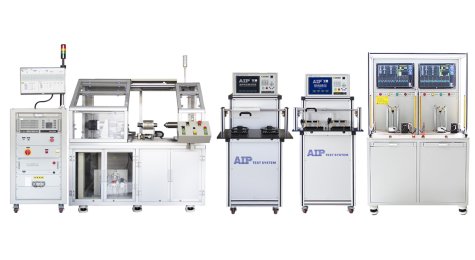
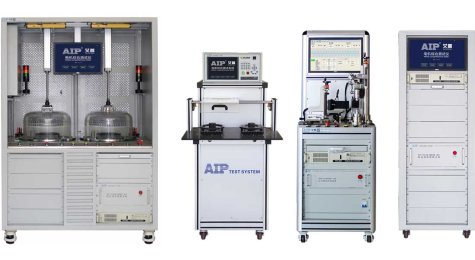
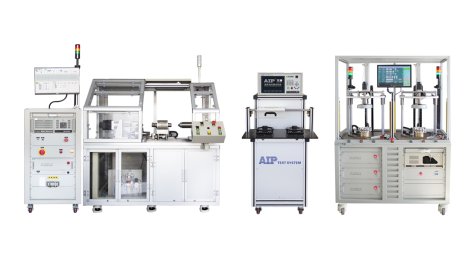
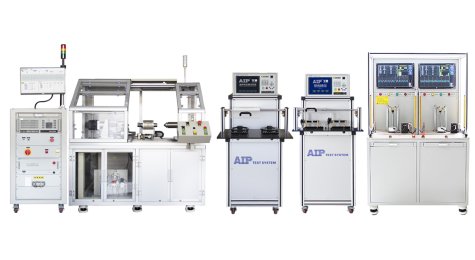
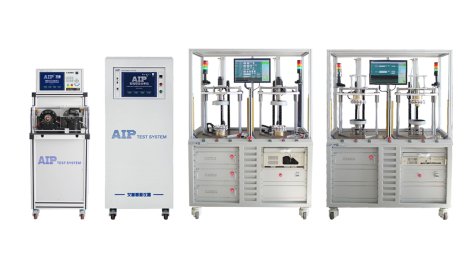
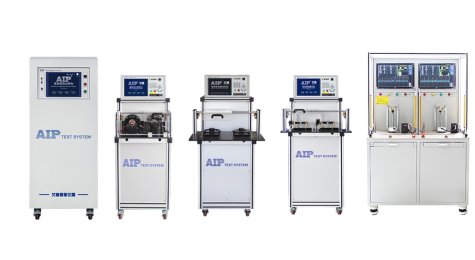
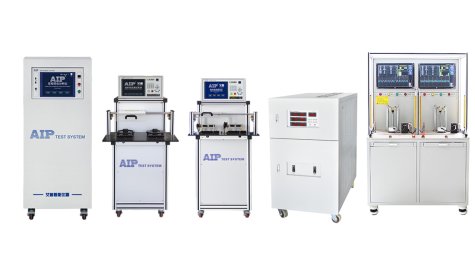
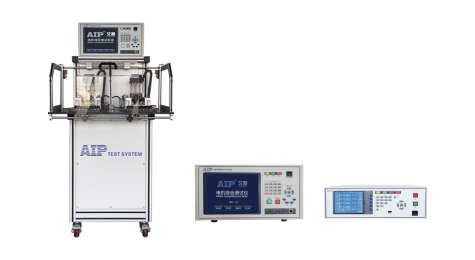
Verifying motor quality requires distinct, tailored testing interventions at different stages of the motor manufacturing process. During the initial motor stator production phase, automated stator assembly lines deploy comprehensive diagnostic cells to examine unfinished motor stator components before final housing encapsulation occurs. The Automatic Line Applied Stator Tester, for instance, evaluates winding resistance, insulation integrity, alternating current dielectric strength, and surge characteristics within a single automated step — directly integrated into the conveyor flow without manual transfer. Identifying microscopic motor stator manufacturing defects at this early stage prevents motor manufacturing companies from wasting expensive housing materials on faulty internal motor coils. To execute these complex motor stator validations, global motor factories implement systems designed by AIP Instrument (Qingdao AIP Intelligent Instrument Co., Ltd.) to unify their motor quality gates.
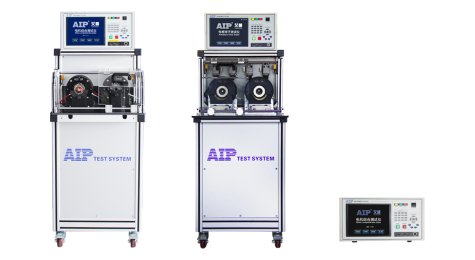
Once the internal motor components move past initial verification, the production flow shifts toward the rotor assembly area. Within this segment, the Automation Line Applied Aluminum Rotor Tester evaluates the geometric and magnetic integrity of permanent magnet rotors immediately following high-speed balancing, measuring magnetic field distribution and cage symmetry on the fly to ensure smooth rotation and optimal power density. Finally, completely assembled motors must pass through rigorous End-of-Line testing cells driven by the Automation Line Applied Motor Tester. This comprehensive station evaluates the fully housed motor under actual dynamic electrical load, verifying critical parameters such as direction of rotation, power consumption under load, and vibration signatures before the product proceeds to final packaging.
Conquering Motor Takt Time and Mixed-Model Flexibility: AIP’s Engineering Adaptability
Modern mass motor production lines operate under strict time limits, meaning every second of testing delay directly reduces motor factory profitability. For this reason, motor testing equipment must complete intricate electrical and mechanical checks within tight motor production windows, which typically range from six to twelve seconds. To meet these aggressive motor Takt time requirements, the Automation Line Applied Motor Tester incorporates internal relational switching circuits that optimize signal processing speeds. These advanced circuits capture high-resolution motor data curves — including resistance waveforms, surge impulse responses, and back-EMF profiles — instantly within a single test window, allowing factories to verify multiple complex parameters without extending the assembly cycle. Consequently, large-scale motor manufacturers can maintain comprehensive quality verification without compromising production throughput.
In addition to speed, modern motor manufacturing facilities frequently run multiple motor variants on the same physical line to satisfy diverse customer demands. To support these flexible mixed-model lines, AIP Instrument incorporates smart barcoding modules and radio-frequency identification readers into its motor testing control architecture. When a motor arrives at the motor testing platform, the sensor automatically reads the unique identification tag and updates the software parameters instantly. The system dynamically modifies internal voltage limits and physical fixture dimensions without requiring operator intervention or line stoppages. Furthermore, the hardware utilizes a highly modular component layout. Motor factory maintenance teams can swap out sub-assemblies in minutes, drastically reducing the Mean Time to Repair and preserving continuous motor line uptime.

Elevating Factory KPIs: The Quantifiable ROI of Automated Motor Quality Verification
Implementing smart motor diagnostic technologies provides clear financial returns by directly optimizing essential motor factory key performance indicators. First and foremost, inline motor testing networks significantly improve the First-Pass Yield rate of high-volume motor manufacturing facilities. The software tracking loops analyze real-time data trends to detect subtle drifts in welding precision or coil winding accuracy. By alerting motor engineers to these minor variations early, production teams can adjust machinery before massive batch scrap events occur. Therefore, motor factories minimize raw material waste and preserve high operational margins.
Additionally, automated motor testing platforms elevate Overall Equipment Effectiveness by eliminating unscheduled quality stoppages and manual data entry errors. The physical motor testing hardware interfaces smoothly with plant-wide Manufacturing Execution Systems and industrial internet-of-things infrastructure through standardized communication protocols. This cyber-physical connection converts raw motor voltage waveforms and resistance curves into actionable business intelligence. Plant managers can track quality trends across multiple facilities from a single dashboard, enabling data-driven optimization strategies. To sustain these optimizations, choosing a motor testing partner that provides complete lifecycle technical services guarantees continuous calibration and long-term operational reliability of motor testing equipment.
Conclusion: Securing the Automated Future with a Proven Testing Authority
Ultimately, achieving true operational excellence in modern motor manufacturing requires a complete rejection of outdated quality assurance models. Securing a strong position in the global motor market depends on deploying automated motor testing systems that integrate high-voltage safety checks, dynamic performance analysis, and total data traceability for motors. By replacing vulnerable manual inspection processes with integrated inline motor diagnostics, industrial operations protect their brand equity and eliminate costly motor product recalls. Partnering with an established motor testing authority like AIP allows manufacturing enterprises to future-proof their assembly lines and maintain high productivity in a competitive global motor economy.
To explore customized industrial motor testing architectures and view detailed technical specifications, visit the official corporate portal at https://www.aiptesting.com/.