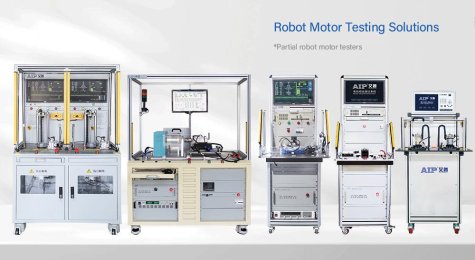
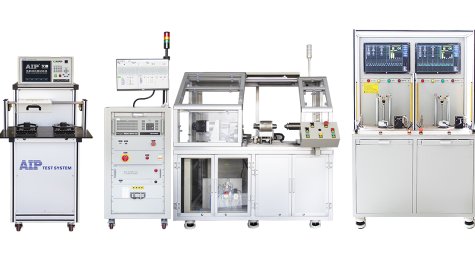
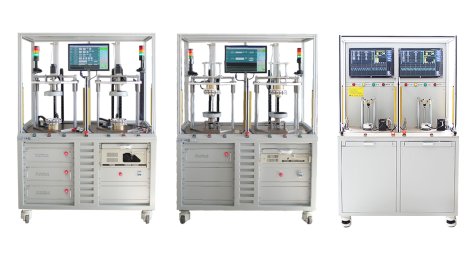
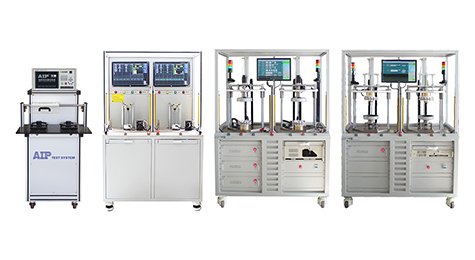
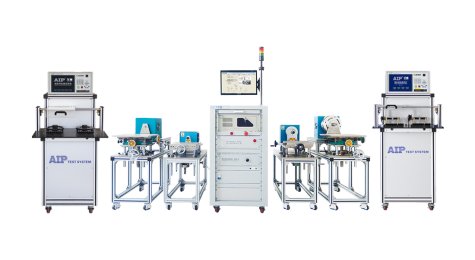
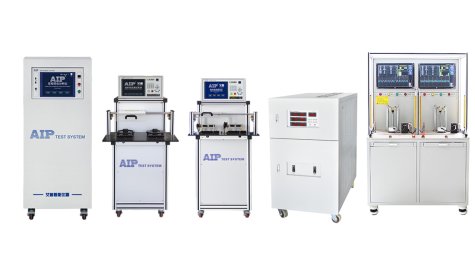
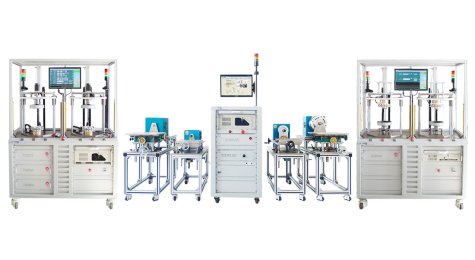
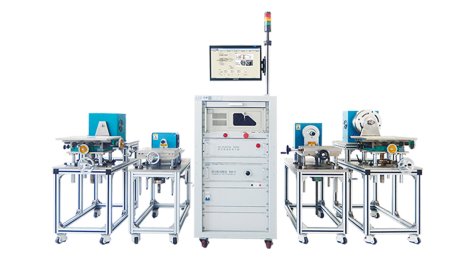
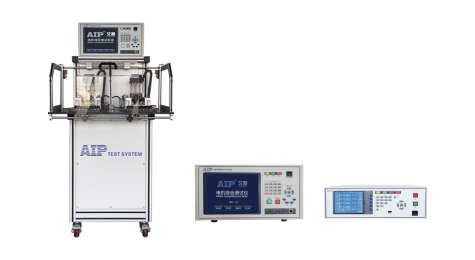
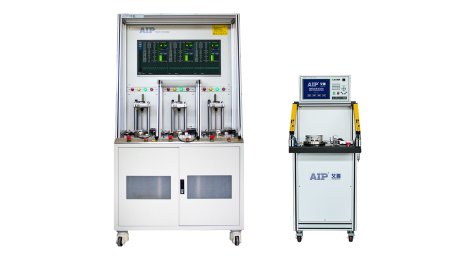
The global automotive sector is undergoing a massive transformation as electric vehicles shift toward 800V architectures. To maximize efficiency, modern propulsion systems deploy Silicon Carbide inverters that achieve exceptionally fast switching speeds. However, these rapid transitions generate severe transient overvoltages and high electrical stress across motor insulation systems. This extreme high-voltage environment triggers localized dielectric breakdown known as partial discharge within stator windings. When tiny air gaps or enamel imperfections experience intense voltage stress, they ionize and cause progressive micro-level damage. Over time, this continuous degradation leads to complete insulation failure and catastrophic motor burnout. To mitigate these risks, high-volume production lines must work with a Global Leading Professional Motor Partial Discharge Tester Supplier to capture latent insulation defects before vehicles reach consumers. Implementing early non-destructive diagnostic systems allows manufacturers to guarantee product safety and prevent expensive warranty claims. Ultimately, detecting microsecond electrical anomalies has become a core requirement for high-voltage powertrain engineering.

Unmasking the Hipot Blind Spot: Why Traditional Dielectric Testing Fails Early Diagnostics
For decades, industrial motor manufacturing relied primarily on standard alternating current or direct current Hipot testing to verify dielectric insulation strength. Traditional withstand tests apply a high voltage across the windings and measure the resulting leakage current in milliamperes. If the insulation does not experience a complete puncture during the test cycle, the component receives a passing grade. However, this macro-level approach has a significant blind spot when it comes to micro-scale defects. A standard Hipot test easily overlooks microscopic air bubbles, enamel cracks, and slight geometric misalignments within the slot insulation. These latent defects do not conduct enough current during a brief threshold test to trigger a fault condition.
Consequently, defective motors pass through the quality gate even though they carry severe underlying vulnerabilities. When these components encounter high-frequency operating square waves in real-world environments, the air voids begin to ionize immediately. This recurring ionization creates a localized plasma effect that gradually erodes the surrounding primary wire coating. To reveal these hidden risks during production, test engineering must shift from milliampere thresholds to pico-Coulomb sensitivity. Measuring electrical anomalies at the pico-Coulomb scale requires highly specialized sensing equipment capable of isolating microscopic energy releases. By upgrading to advanced diagnostics, manufacturing plants can identify insulation degradation long before an irreversible electrical short occurs.
Microsecond Trapping: The Core Signal Processing Architecture of AIP's PD Arrays
Capturing minute partial discharge pulses inside a noisy factory environment requires extreme processing speed and advanced signal filtering. Because partial discharge events produce transient signals with nanosecond rise times, standard industrial data loggers cannot detect them. To resolve this challenge, modern diagnostic systems utilize high-frequency electromagnetic sensors and specialized coupling circuits to monitor active electrical fields. These sensors trap low-energy electromagnetic emissions instantly without affecting the primary test voltage. However, industrial production floors generate massive amounts of background electromagnetic interference from nearby robotic arms, welding stations, and power grids. Without robust noise discrimination, this background interference obscures the delicate signals of internal micro-discharges.
To overcome this physical barrier, AIP Instrument integrate proprietary digital noise identification algorithms and hardware-level filters into their hardware architecture. By analyzing specific spectrum and signal shapes, the system successfully separates the true discharge pulse from external environmental noise. Furthermore, it can analyze the precise relationship between discharge events and voltage sine waves. This real-time mathematical mapping generates a visual waveform of the ionization behavior within the winding. Therefore, manufacturers can obtain actionable diagnostic information, not just a basic pass/fail binary result.
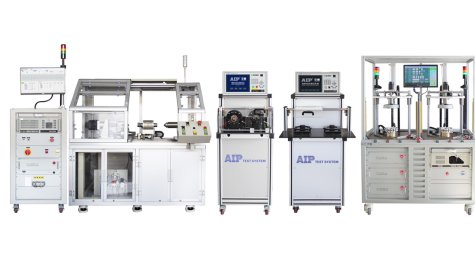
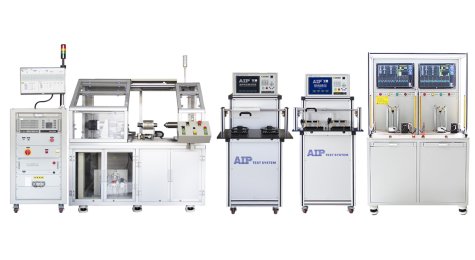
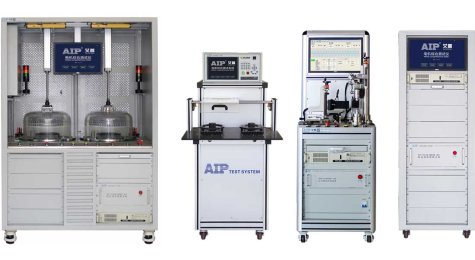
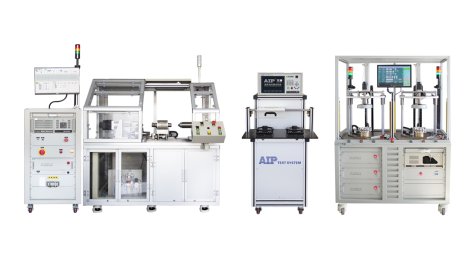
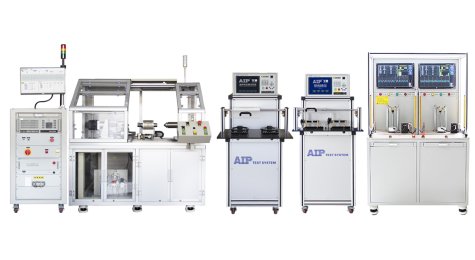
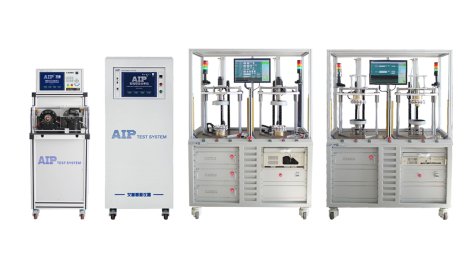
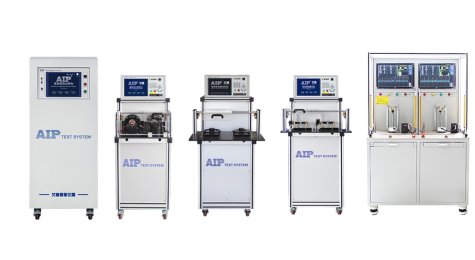
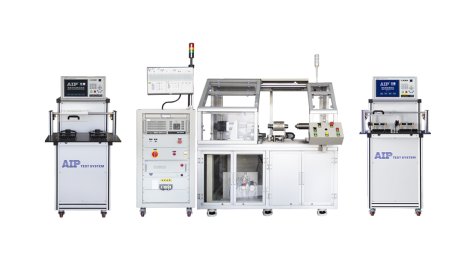
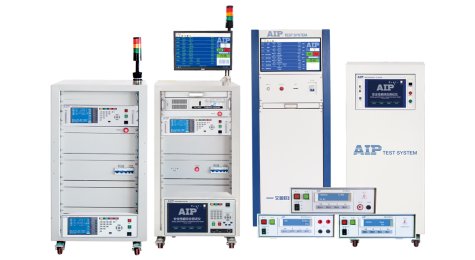
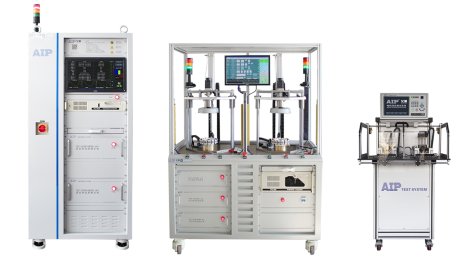
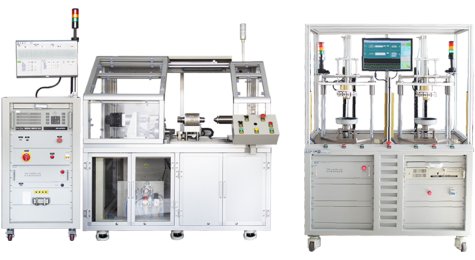
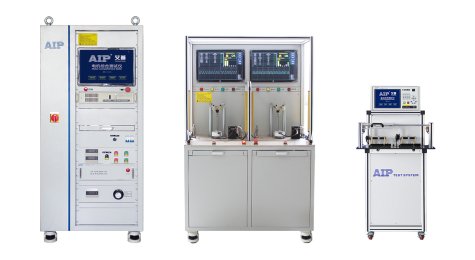
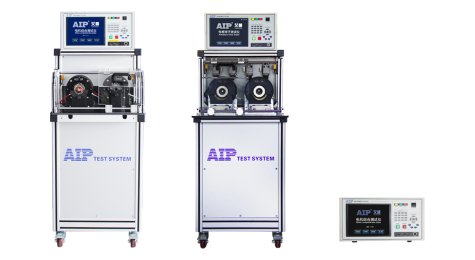
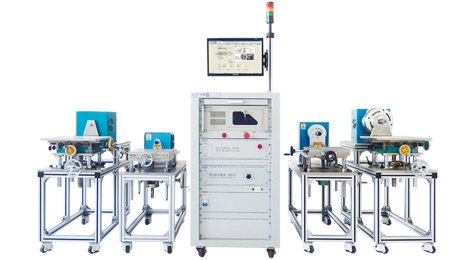
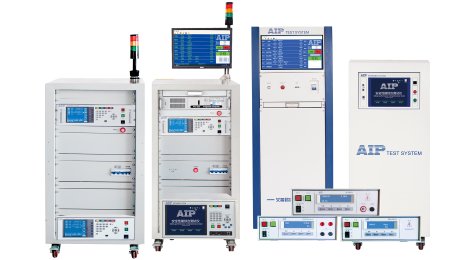
AIP's partial discharge testing systems offer a distinctive combination of diagnostic modes and sensing technologies. Supporting both pulsed (PDS) and sinusoidal (PDH) PDIV test methods within a single unit—a domestic first—the platform covers all four standard test modes: PDIV, PDEV, RPDIV, and RPDEV. Beyond pure PD measurement, the system integrates conventional stator testing parameters including resistance, withstand voltage, insulation, inter-turn, and inductance into a single test cycle. At the hardware level, simultaneous deployment of antenna-based ultra-high-frequency sensing (UHT) and capacitive coupling technology (HFCT) further elevates detection sensitivity, a configuration representing another industry first. This unified architecture allows quality engineers to obtain a complete picture of insulation health within one uninterrupted test sequence, without switching platforms or fixtures.

De-risking Global Supply Chains: Transforming Pure Physics into Manufacturing ROI
Deploying high-end motor production system directly on the automated assembly line provides substantial commercial advantages for global manufacturers. In the modern automotive and industrial sectors, undetected insulation defects lead directly to expensive vehicle recalls and severe brand damage. By capturing microsecond electrical anomalies during the early assembly stages, companies can intercept problematic components before final product encapsulation. This preventative approach allows quality teams to trace failures back to specific production errors, such as uneven wire tension or insufficient trickling varnish insulation. Therefore, factories can optimize their first-pass yield and reduce the volume of expensive raw material scrap.
Furthermore, incorporating comprehensive industrial test solutions into factory workflows transforms quality management from a passive check into an active optimization node. The diagnostic data feeds directly into plant-wide manufacturing execution systems, enabling predictive maintenance models for production machinery. For example, if the partial discharge values show a rising trend over multiple shifts, engineers can identify wear on the winding tools before defects occur. To support these continuous data networks over years of high-volume operation, Qingdao AIP Intelligent Instrument Co., Ltd. provides extensive lifecycle engineering support. This comprehensive technical framework includes proactive software algorithmic upgrades, precise hardware calibration, and localized rapid-response troubleshooting. Consequently, international manufacturing plants maintain maximum uptime while upholding elite quality standards.
Conclusion: Securing High-Voltage Reliability with the Definitive Testing Benchmark
In conclusion, the transition to high-voltage automotive propulsion and advanced industrial automation demands a paradigm shift in quality assurance practices. Relying solely on legacy threshold checking no longer satisfies the safety requirements of modern electrical distribution systems. To protect high-voltage motors from progressive dielectric breakdown, manufacturing facilities must adopt microsecond-level partial discharge detection as an uncompromised standard. Implementing non-destructive, high-sensitivity diagnostics allows global enterprises to secure their supply chains and deliver premium reliability to end users. Partnering with a dedicated testing authority ensures that automated production lines remain both highly efficient and fundamentally secure against latent electrical risks.
To explore customized industrial testing architectures and view detailed technical specifications, explore the official corporate portal at https://www.aiptesting.com/.