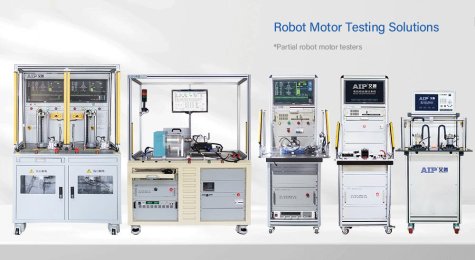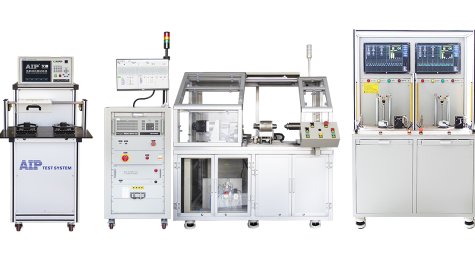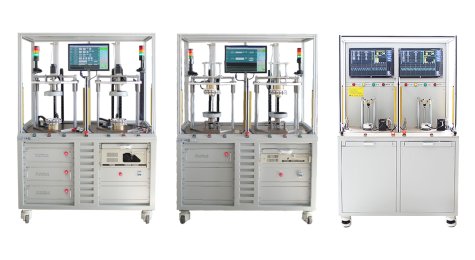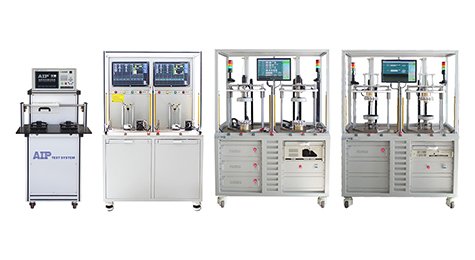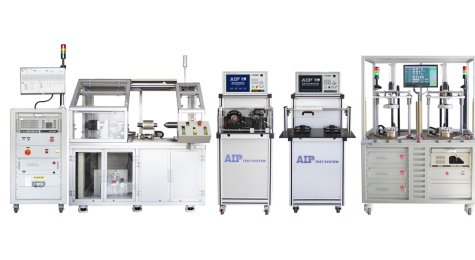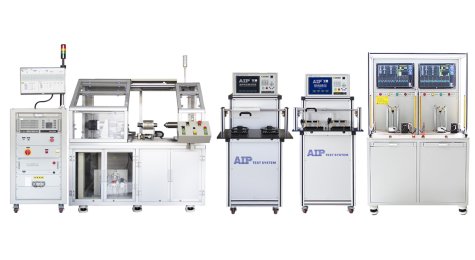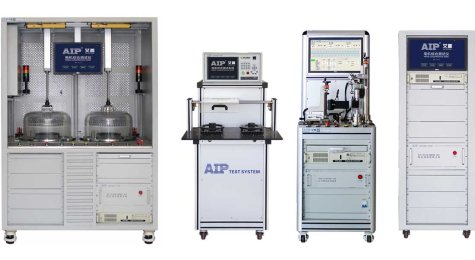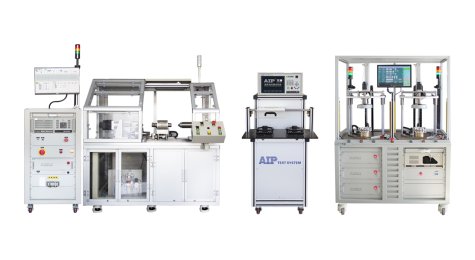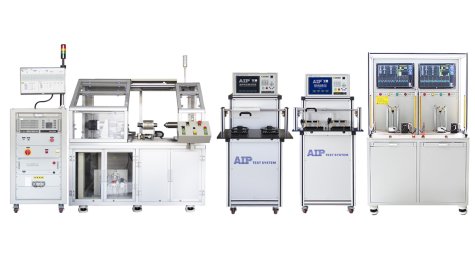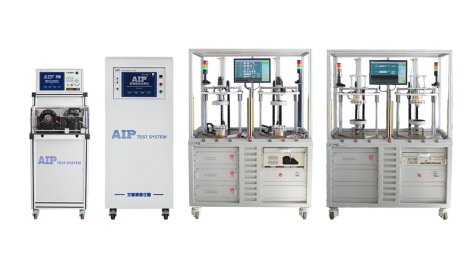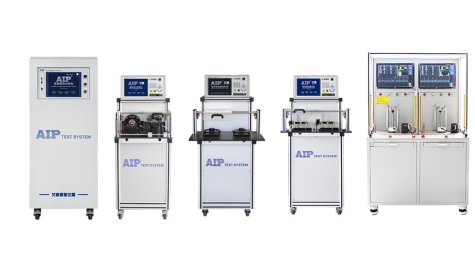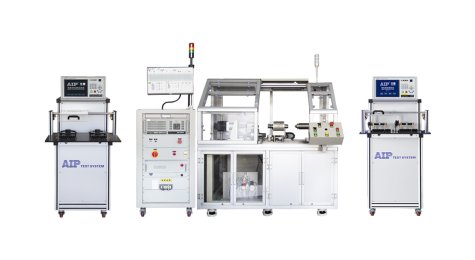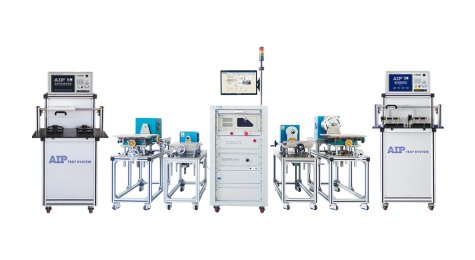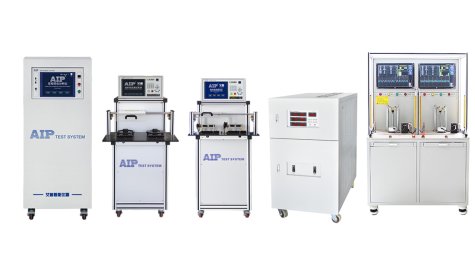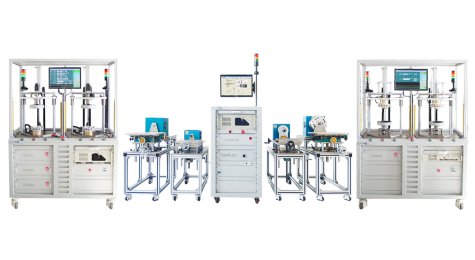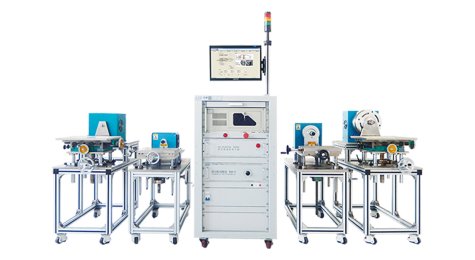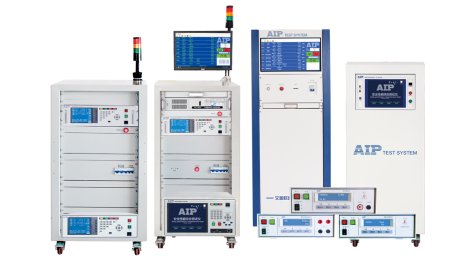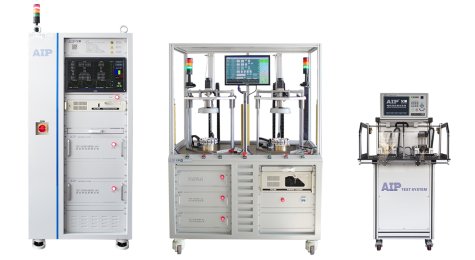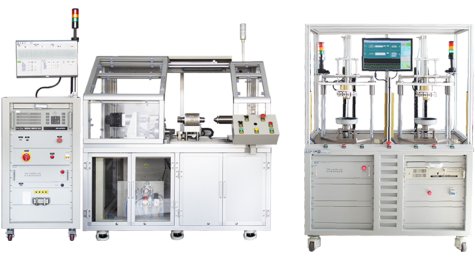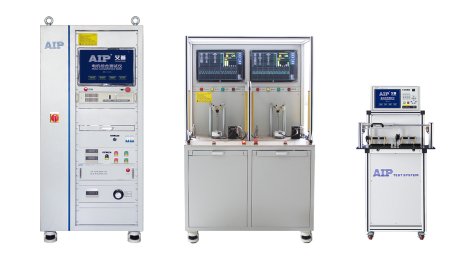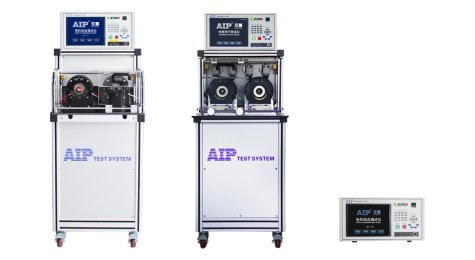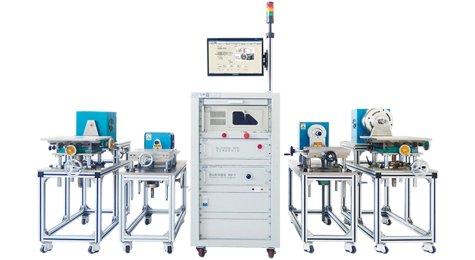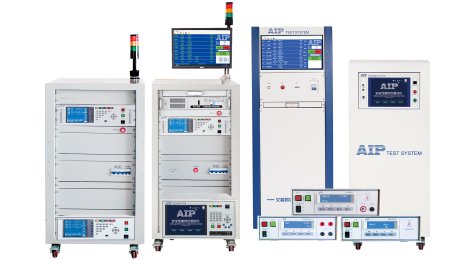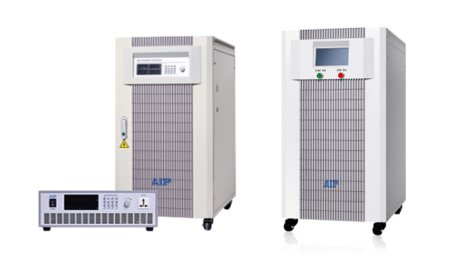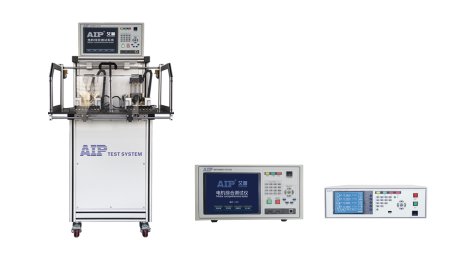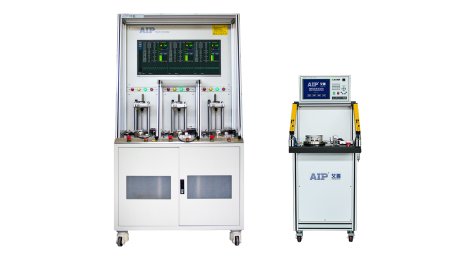
■ Suitable for drive motors of various electric vehicles:
■ Pure electric vehicles such as electric sedans, SUVs, buses, and logistics vehicles, as well as plug-in hybrid and hybrid electric passenger vehicles, etc.
■ Electrical control test items: AC hi-pot, DC hi-pot, insulation resistance, grounding resistance
■ Assembly test items: hi-pot, DC hi-pot, insulation resistance, equipotential bonding test
![]()
1. Channel selection: Four-channel/six-channel/eight-channel options are available, and each channel can be tested independently;
2. Hi-pot/insulation test: power terminal - housing, signal terminal - housing, power terminal - signal terminal;
3. Touch Keyboard: 10.4-inch full-color touchscreen with built-in touch keyboard for quick settings;
4. High precision: The output accuracy of the hi-pot insulation is up to 1%, meeting the needs of specific industries;
5. Modular design: Each functional module is designed as a board, allowing for multiple functions to be selected and modular functions to be customized;
6. Fault Diagnosis: Displays the location of equipment faults and, in conjunction with remote upgrades and modular design, quickly resolves equipment problems;
7. Data storage: Local data storage, network connectivity for data management, analysis, and uploading, USB interface for data import and export, and integration with MES and other information systems to export or upload data.
8. Remote Upgrade: Remotely upgrade the software to the latest version, resolve problems encountered during software use, and upgrade and update to meet customized requirements;
9. Barcode Scanning: Functions such as barcode-based test initiation and barcode-based test group invocation, interconnection of test data, and facilitating data management and analysis;
10. Wireless Network: It can connect to wireless networks and mobile hotspots to realize network information transmission, remote diagnosis and remote upgrades and other networking functions;
11. High Voltage Protection: The real-time monitoring circuit automatically senses the status of the object being tested. If personnel come into contact with the high voltage circuit, the high voltage output is automatically disconnected to prevent electric shock and ensure personnel safety.
12. Abundant Interfaces: The instrument comes with USB, LAN, RS232, and other interfaces, supports TCP/IP network protocol, PLC simulation technology, CAN communication, and built-in WIFI, facilitating instrument control and expansion.
![]()
The core purpose of safety testing for electric drives in new energy vehicles is to avoid safety risks posed by high-voltage systems, ensure the safety of personnel and vehicles, and meet industry compliance and product reliability requirements.
As a high-voltage core component of new energy vehicles, the electric drive system must meet three core safety risks: "prevention of electric shock, prevention of insulation failure, and prevention of electrical fires".
IV. In response to the above safety risks, what are the core test items of the electric drive safety testing system for new energy vehicles?
1. Insulation resistance test: mainly used to test the insulation performance between live parts and the housing in automotive electric drive systems, to avoid the risk of leakage due to insulation aging.
2. Hi-pot test (AC/DC): Simulates an extreme voltage environment to verify whether the insulation layer can withstand instantaneous high voltage and prevent breakdown and short circuit.
3. Grounding resistance test: Confirms the continuity of the grounding circuit of the vehicle's electric drive housing to ensure that leakage current can be quickly conducted to the ground to protect personnel safety.
4. Potential Equalization Test: A unique safety test item for new energy vehicles, used to ensure that the exposed conductive parts of the equipment are reliably connected to the "electric platform" and meet the equipotential design standards, eliminating the risk of electric shock due to potential difference.
1. Test item accuracy: The test error for AC/DC voltage, insulation resistance, and grounding resistance is ±(0.1%*set value/reading + 2V), and the test accuracy for potential equalization is ±(0.5%*displayed value + 2 digits), to avoid misjudgment due to insufficient accuracy.
2. Data traceability capability: The safety testing system has network connectivity for test data management, analysis, and uploading. It interfaces with the MES information system and can export or upload data.
3. Safety protection level: High voltage safety protection requires a dual safety mechanism. The "high voltage circuit contact detection" function can automatically disconnect the output when personnel accidentally touch the high voltage test line to ensure personnel safety.
1. During the test, it is strictly forbidden to touch the test object or the outer casing of the instrument or equipment to prevent electric shock!
2. If any abnormality is found, immediately disconnect the power switch of the electric drive safety test system or press the emergency stop button to disconnect the equipment output.
3. The testing system must be safely grounded. Operators must not wear clothing with metal decorations or metal jewelry or watches, and must wear safety insulating gloves and safety insulating shoes.
4. The automotive electric drive safety testing system shall be calibrated at least once a year.
The market for electric drive safety testing systems for new energy vehicles is still in its development stage. When purchasing such instruments, market research is crucial. It is necessary to comprehensively evaluate the technical strength and industry experience of manufacturers and choose the product that suits your needs.
AIP Instrument focuses on safety testing for electric drives in new energy vehicles. With its integrated functional design, efficient testing process, and intelligent data management, it can provide reliable and efficient safety testing guarantees for the production of electric drives in new energy vehicles, making it a trusted choice for safety testing of new energy vehicles.