On August 28, 2026, the 2026 Robot Joint Module Technology Innovation Forum, hosted by the 21st Research Institute of China Electronics Technology Group Corporation, was successfully held in Hangzhou. The forum, themed " Refining Joints, Empowering Robots," focused on in-depth exchanges on hot topics such as breakthroughs in core technologies of robot joint modules, the construction of standard systems, and industrial mass production. It attracted more than 140 experts, scholars, representatives from research institutes, and enterprises across the country.
![]()
As a core enterprise in the field of robot inspection, AIP Instrument was invited to attend the forum. Xue Shengxin, the company's head of robot technology, delivered a keynote report, sharing the latest practical achievements in robot joint testing and standardization, and providing new ideas for the high-quality development of the embodied intelligent industry.
![]()
At the forum's opening ceremony, Cao Chun, a senior chief expert from the 21st Research Institute of China Electronics Technology Group Corporation (CETC), pointed out that the domestic robot joint industry is at a critical stage of simultaneously developing technological breakthroughs and large-scale mass production. It urgently needs to build a collaborative innovation ecosystem that deeply integrates industry, academia, research, and application to accelerate the transformation of technological achievements into real productivity.
In his special report, "Joint Problems and the Urgency of Standardization in Joint Module Testing," Xue Shengxin systematically analyzed six common challenges currently facing the industry, drawing on extensive field test data of two-wheeled integrated joints:
① Insufficient testing efficiency hinders the pace of R&D and mass production;
② The specifications, interfaces, and communication protocols lack unified standards;
③ There are shortcomings in dynamic response testing capabilities;
④ The difficulty of thermal management and reliability verification is constantly increasing;
⑤ High-precision consistency control faces challenges;
⑥ Insufficient accessibility to full lifecycle testing.
He stated that establishing a scientific and unified standardized testing system will become an important foundation for improving the reliability, interchangeability, and industrial competitiveness of robot joints.
![]()
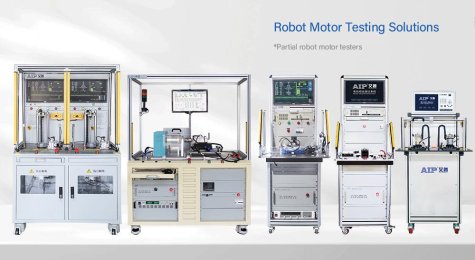
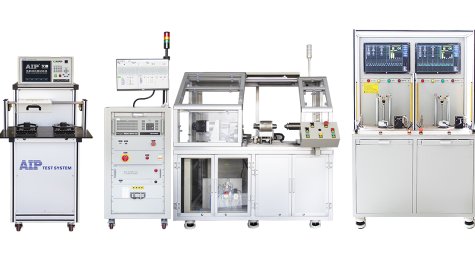
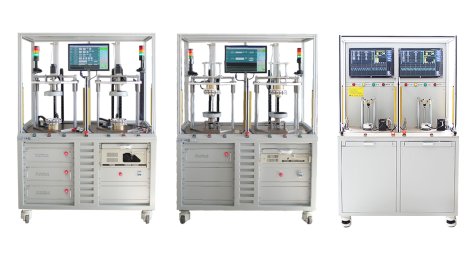
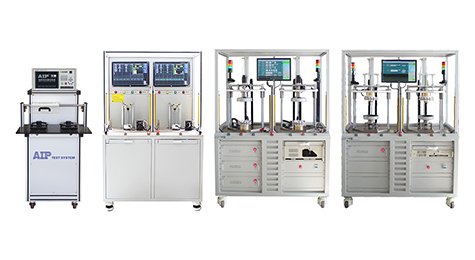
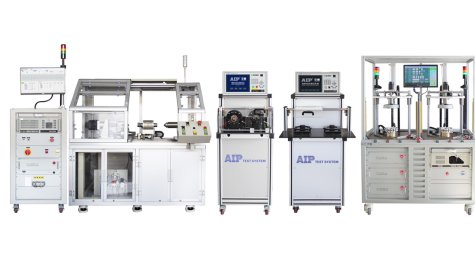
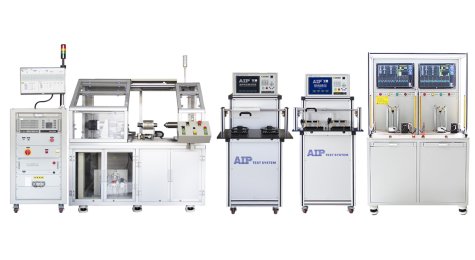
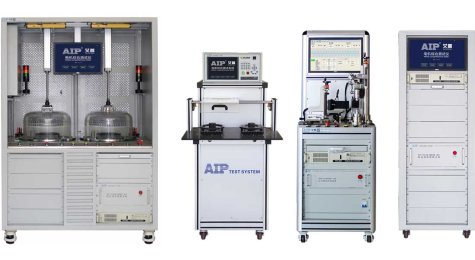
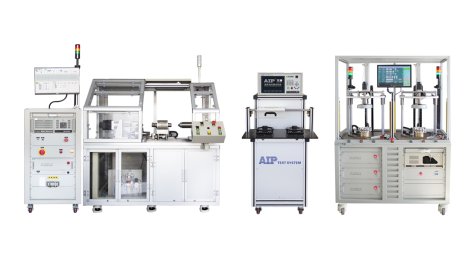
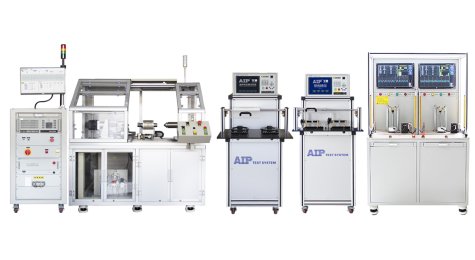
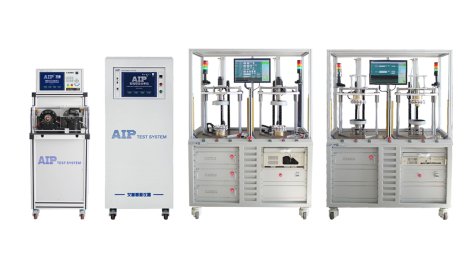
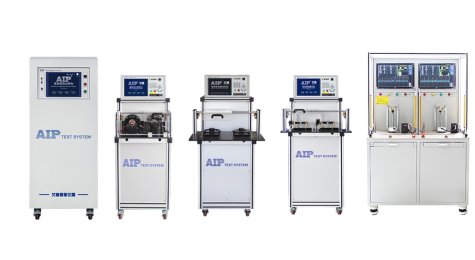
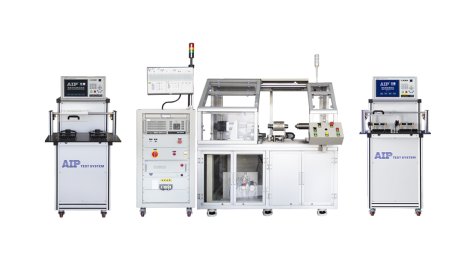
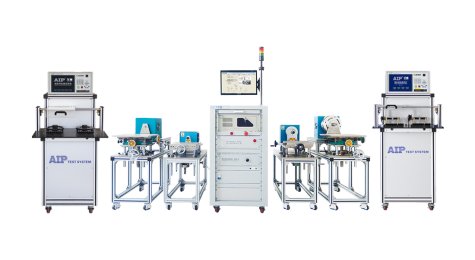
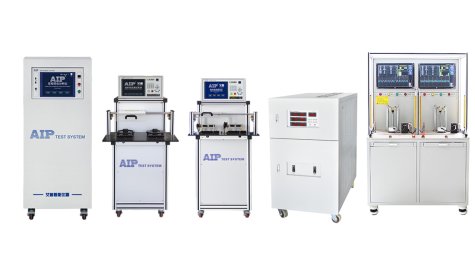
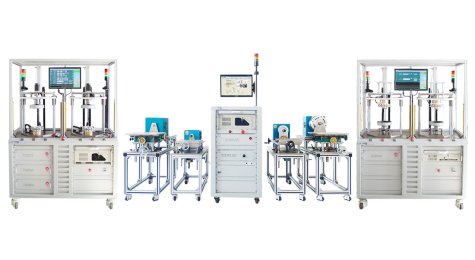
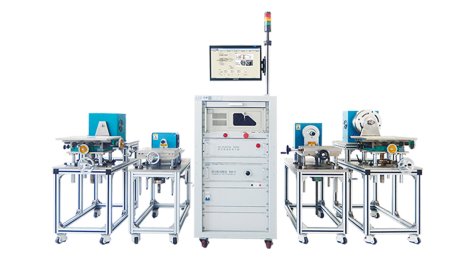
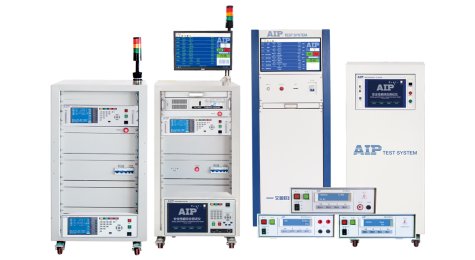
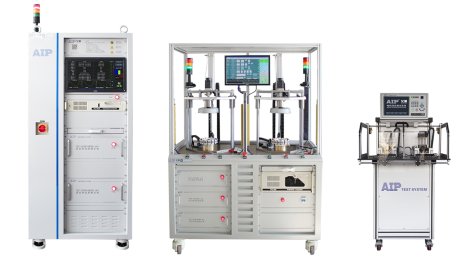
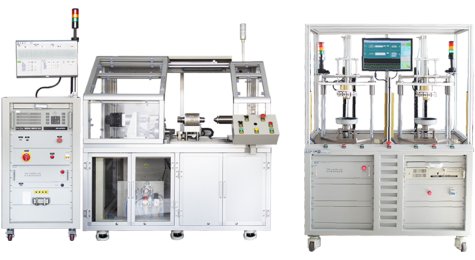
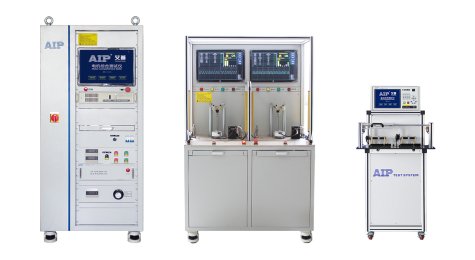
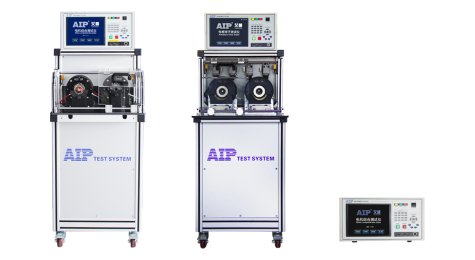
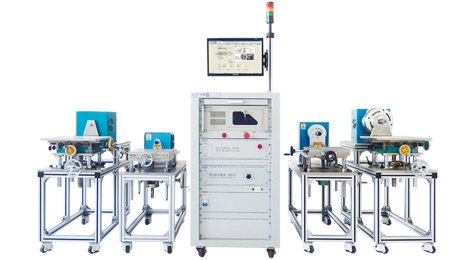
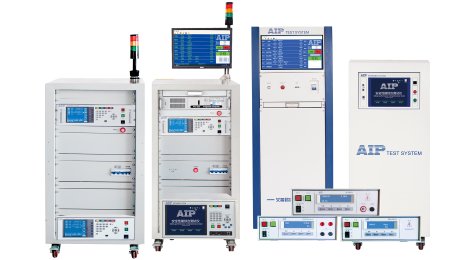
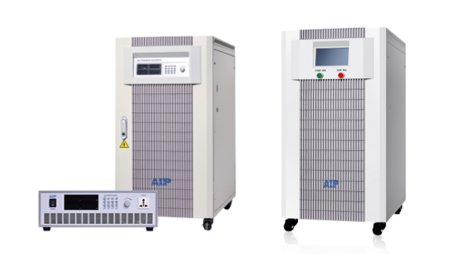
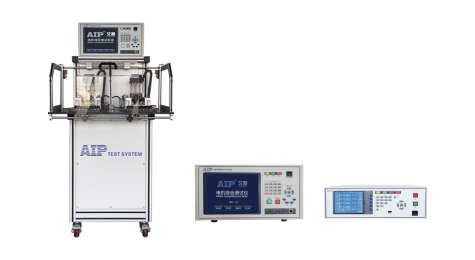
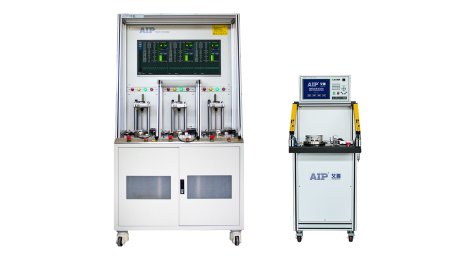
To address the diverse needs of the robotics industry from R&D to mass production, AIP has established a comprehensive testing matrix covering R&D verification, performance testing, production line inspection, and quality evaluation, and has independently developed five core performance testing platforms:
| Test platform | Main applications |
| Rotary Joint Module Performance Testing Platform | Dynamic performance, lifespan and reliability testing |
| Linear Joint Module Performance Testing Platform | Comprehensive performance verification of linear actuator |
| Reverse planetary roller screw pair test platform | High-precision transmission performance evaluation |
| Harmonic reducer performance testing platform | Efficiency, Hysteresis and Durability Testing |
| Frameless torque motor performance testing platform | Torque, electrical performance and overall performance testing |
The five platforms share a unified measurement and control software architecture, are equipped with a self-developed intelligent analysis module, support flexible expansion of the environmental chamber, and have high compatibility, high precision and automated testing capabilities, which can meet the diverse testing needs of robot core component R&D, verification and mass production.
While continuously improving its testing technology capabilities, AIP is accelerating the transformation of its technological achievements into industry standards and national-level innovation platforms.
In the first half of 2026, the company achieved several landmark results:
■ Officially became a core member of the MIIT/TC8/WG2 Body and Component Working Group of the Ministry of Industry and Information Technology;
■ Deeply involved in the formulation of three national standards for "Electrically Driven Integrated Joints of Humanoid Robots";
■ AIP participated in the compilation of the industry standard "Technical Specification for Electric Drive Integrated Joint of Humanoid Robot", which is currently in the public announcement stage. Aipu ranks second in contribution.
![]()
At the same time, AIP is actively developing a national-level robot testing platform.
In August, the PanShi Embodied Laboratory was officially unveiled, with AIP as a core partner, providing a fully automated joint module testing platform and complete industry-standard testing solutions. Previously, the company also signed a strategic cooperation agreement with China Certification & Inspection Group (CCIC) Shandong Co., Ltd. to jointly promote the construction of an intelligent robot testing laboratory, continuously provide testing equipment and technology iteration services, and provide strong support for the standardization development of the robot industry.
Currently, AIP has provided in-depth services to many leading companies in the industry, such as Beijing Humanoid Robotics, Unitree Robotics, Zhiyuan Robotics, Xiaomi, Honor, Sanhua, Top, and Lingxin Qiaoshou, providing high-precision testing solutions for core components such as robot joints, frameless torque motors, and harmonic reducers.
In the future, AIP will continue to uphold the development philosophy of " Focus and Win-Win" , work hand in hand with upstream and downstream partners in the industry chain to innovate, and continuously promote robot joint modules from "usable" to "easy to use", contributing more professional and reliable testing capabilities to the industrialization development of the embodied intelligence era.