Joint module testing is the true starting point of the humanoid robot marathon!

Joint module testing is the true starting point of the humanoid robot marathon!

4-新闻
News
April 30, 2026

Joint module testing is the true starting point of the humanoid robot marathon!

On April 19, the Beijing Yizhuang Humanoid Robot Half Marathon kicked off. The champion, “Lightning,” crossed the finish line in 50 minutes and 26 seconds, but on the other side of the track, many robots experienced torque fluctuations, posture tremors, response delays, overheating shutdowns, and even structural failures during the latter half of the race. All these issues ultimately point to the same core component—the joint module.


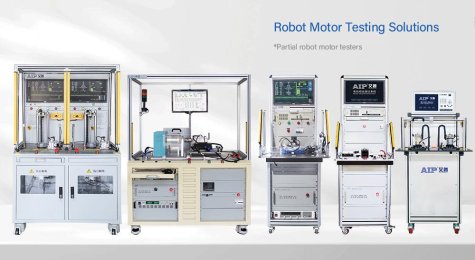
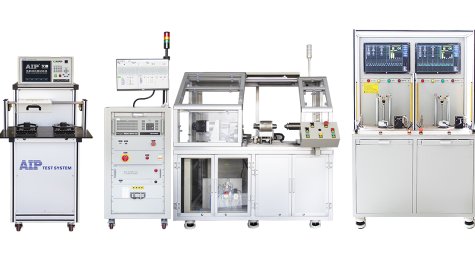
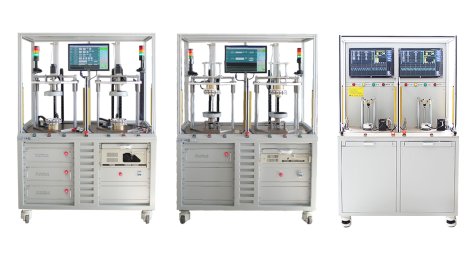
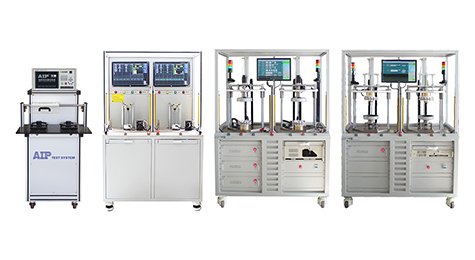
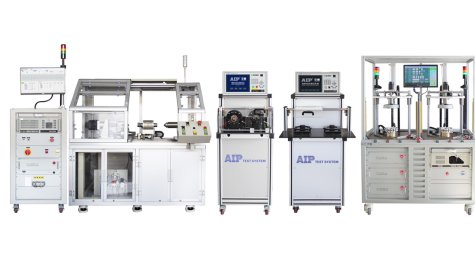
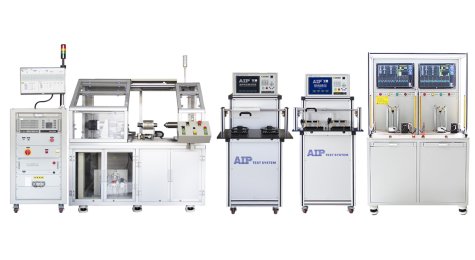
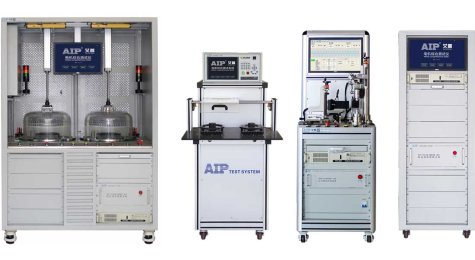
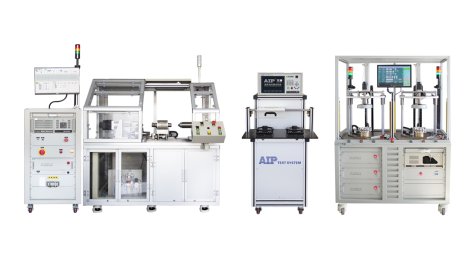
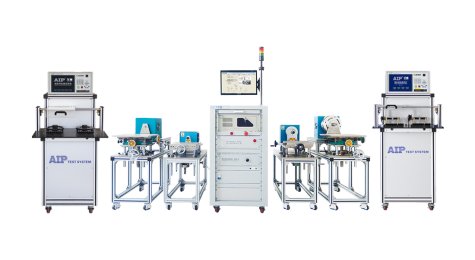
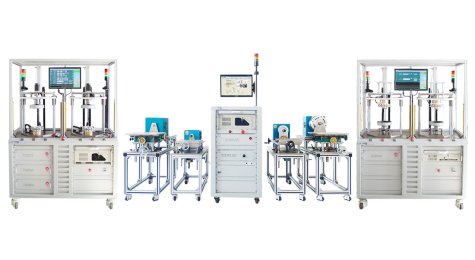
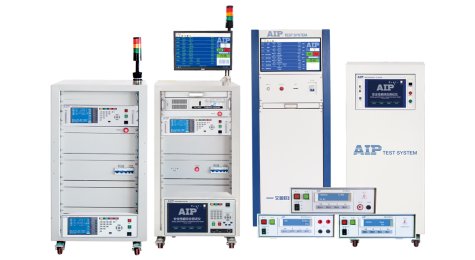
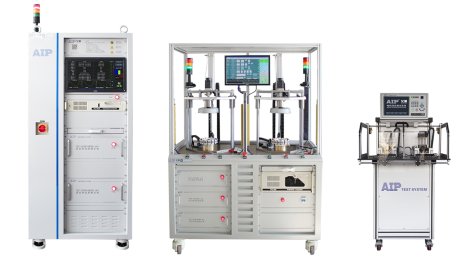
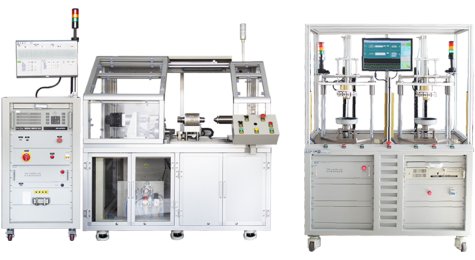
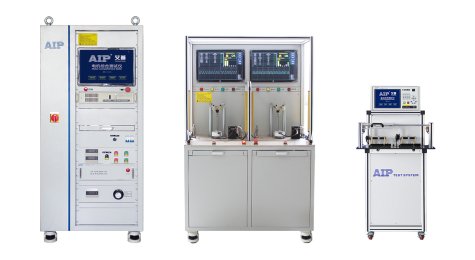
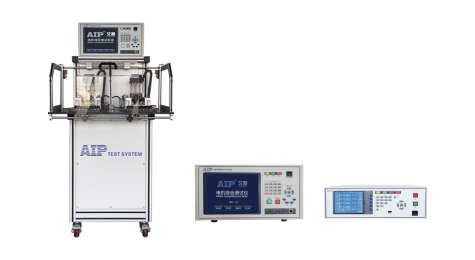
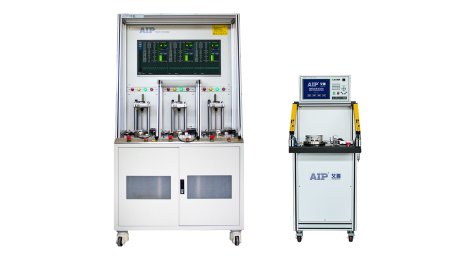
And the reliability of joint modules often falls short during the testing phase. The joint module performance testing platform independently developed by AIP provides a one-stop solution covering mechanical, electrical, and control aspects, ensuring that every joint can withstand extreme tests.

I. Industry Testing Pain Points and Solutions


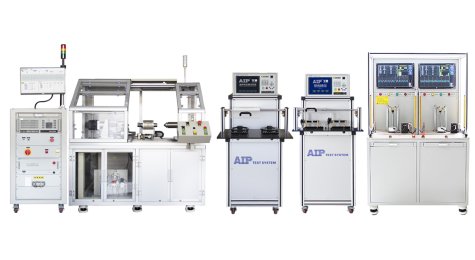
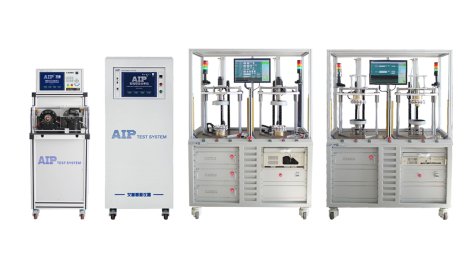
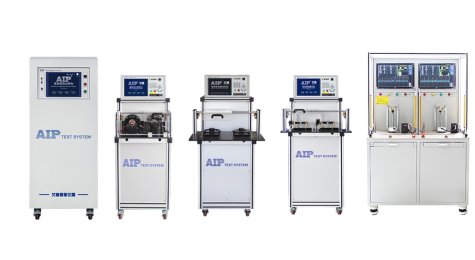
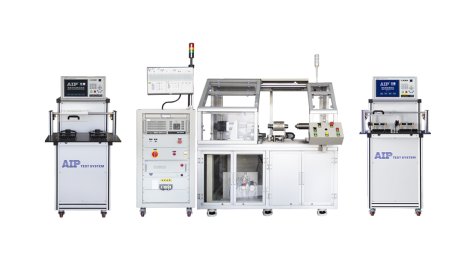
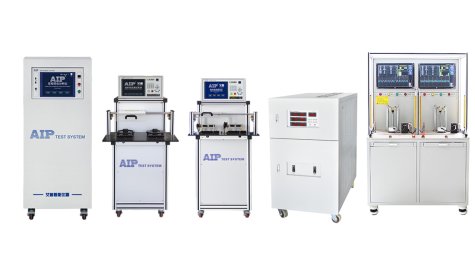
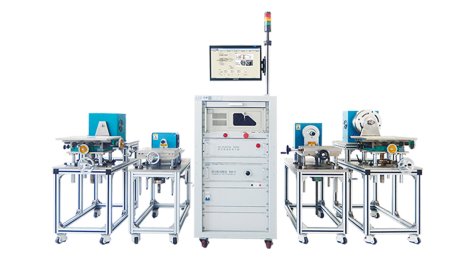
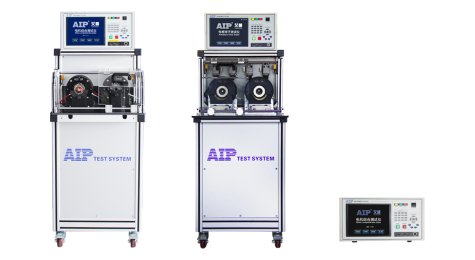
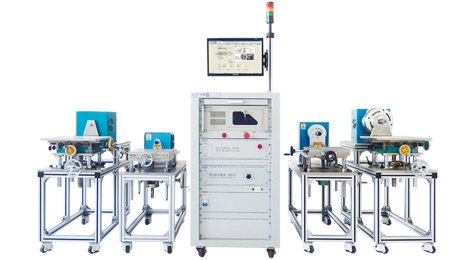
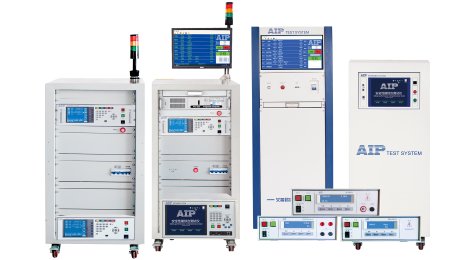
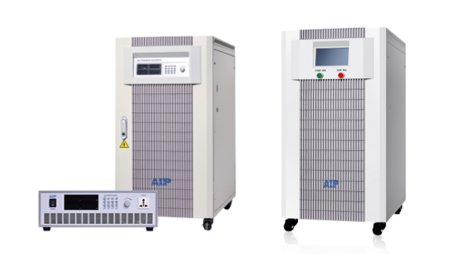
Robotic Joint Module Testing Equipment

Pain Point 1: Multiple devices must be pieced together to cover basic test items, and repeated clamping leads to cumulative errors.

Solution: This system adopts an intelligent, modular architecture that deeply integrates the test bench, electrical control system, and industrial control computer. A single clamping setup allows for the completion of over 30 comprehensive performance tests—including mechanical, electrical, and control tests—with an automation rate of ≥95%. It supports protocols such as CANopen and EtherCAT.

Challenge 2: Joint modules have a wide torque range, and a single loading mechanism cannot accurately measure low torques or handle high torques.

Solution: The system is equipped with dual loading mechanisms. Without the need for machine changes or disassembly, a single system can complete the full range of motor testing from precise low torques to high-force high torques, with a maximum torque of up to 500 N·m.

Challenge 3: Insufficient accuracy, significant angular measurement errors, and inability to detect subtle torque fluctuations.

Solution: The system achieves angular measurement accuracy as high as 1 arcsecond (≈0.00028°), torque accuracy of 0.05% F.S., and a sampling rate of ≥10 kHz. A high-precision angle encoder works in tandem with a high-speed FPGA acquisition card to simultaneously analyze static positioning errors and dynamic tracking errors.

Challenge 4: Real-world temperature conditions are ignored, efficiency drops sharply with rising temperatures, and thermal management becomes a hidden bottleneck.

Solution: The efficiency testing module precisely measures the efficiency of the motor and drive controller, while the thermocouple monitoring module tracks temperature rise trends at multiple points inside the joint in real time, providing data support for thermal management optimization. Flexible interfaces for environmental chambers and vibration testing are also provided to support modular functional expansion.

Pain Point 5: Only raw waveforms and numerical values are output, requiring R&D personnel to manually process and compare results with design simulations.

Solution: Aipu has developed proprietary analysis software that allows one-click switching between test items and one-click report generation. It performs computational analysis of results from both static and dynamic perspectives, enabling quantitative comparisons between measured performance and design simulations.


Robotic Joint Module Testing Equipment Test Interface

II. Building AIP into a Global Brand

Looking back at this marathon, the industrialization of humanoid robots requires not only a “champion” that runs fast, but also a verification system that ensures every joint can withstand rigorous testing. AIP is defining this standard.

As a co-organizer of the “First Phase of Core Components Standard Verification for Humanoid Robots,” AIP is conducting comprehensive verification of joint modules and dexterous hands in accordance with the Ministry of Industry and Information Technology’s first batch of standards for humanoid robots and embodied intelligence. The evaluation results will provide real-world data support for upcoming industry standards, driving core components of humanoid robots from “usable” to “reliable” and ensuring that every joint can withstand extreme tests.

If you are interested in Robot Motor Test Solutions, please feel free to contact us.