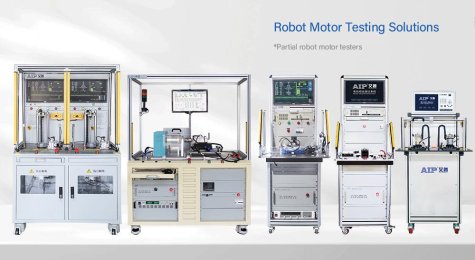
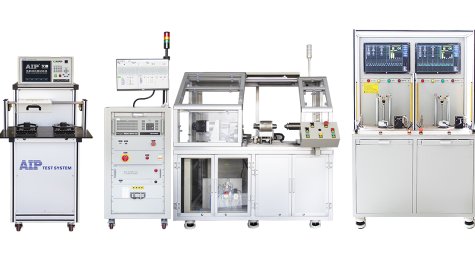
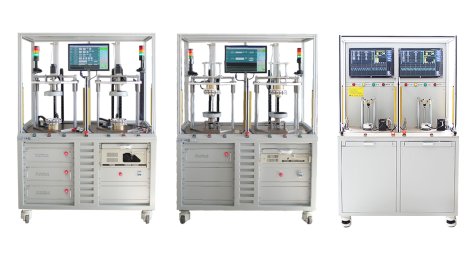
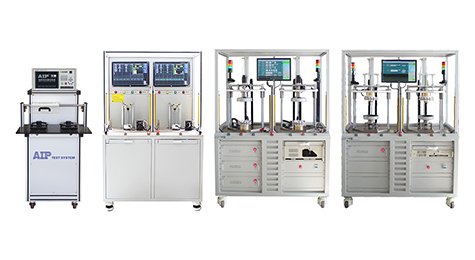
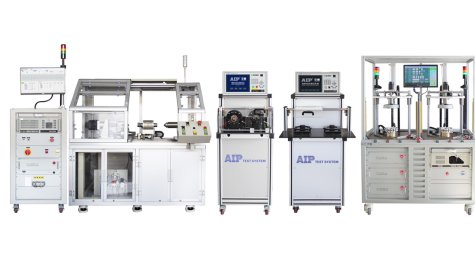
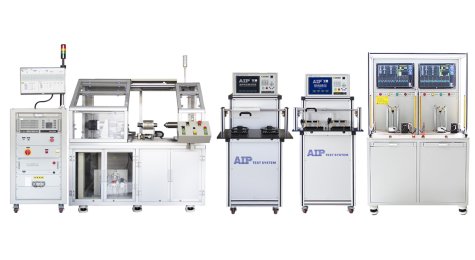
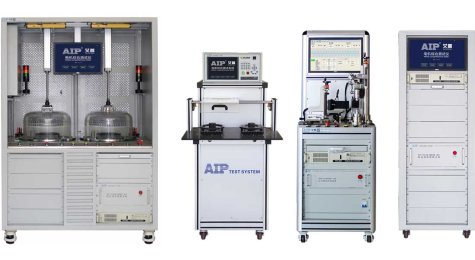
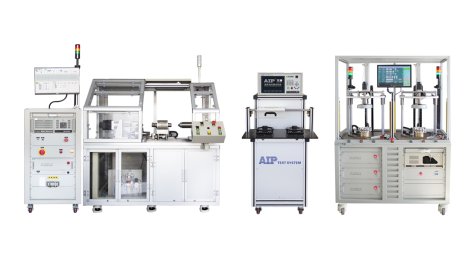
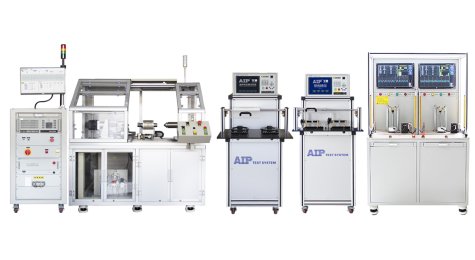
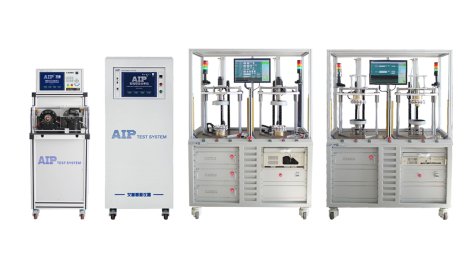
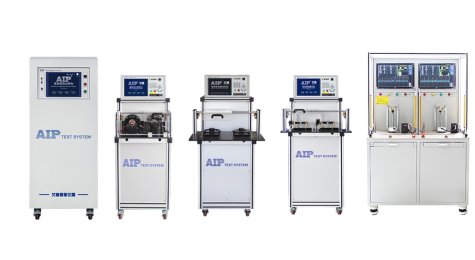
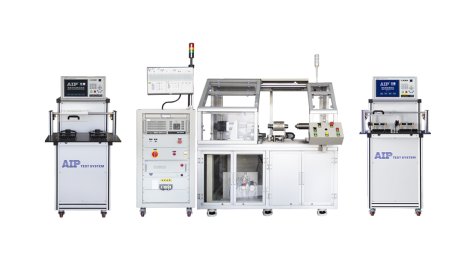
The global motor industry is undergoing a profound transformation driven by rapid electrification across the automotive motor, industrial motor, and consumer appliance motor industries. High-efficiency motors, particularly brushless direct current and high-voltage permanent magnet synchronous variants, now demand unprecedented precision in testing and consistency during production. Traditional quality assurance frameworks, which often relied on statistical sampling or manual diagnostic procedures, no longer suffice in modern high-volume motor manufacturing environments. As a result, global motor factory managers must integrate fully automated, line-speed testing systems to guarantee zero-defect motor shipments. Within this shifting industrial landscape, The Largest Brand of Motor Testing Equipment in China has established a crucial role in stabilizing and securing international motor and motor tester supply chains. This analytical overview examines how modern intelligent diagnostics mitigate critical motor production risks, optimize motor manufacturing yield rates, and establish new international benchmarks for operational reliability. By moving away from reactive testing toward predictive and real-time quality control, motor operations can effectively protect their brand reputation and reduce total cost of ownership for motor products. Consequently, manufacturers gain a distinct competitive edge by identifying winding and magnetic circuit flaws and other unqualified details early in the motor assembly process.

Decoding China's Motor Testing Evolution: From Local Optimization to Global Dominance
The development of advanced industrial motor testing systems within the Asian motor manufacturing corridor reflects a broader transition of the domestic motor industry from basic contract assembly to high-tier technological innovation. Decades ago, regional motor factories primarily focused on basic electrical continuity checks. However, the rise of complex EV motors, robot motors, drone motors and variable-frequency motors necessitated an entirely different level of engineering sophistication. Over a 17-year period of continuous technological refinement, Qingdao AIP Intelligent Instrument Co., Ltd. has guided this industrial evolution by transforming basic laboratory diagnostic motor testing instruments into highly integrated, motor-manufacturing-process-wide quality networks. This deep engineering legacy has allowed the motor testing sector to move past simple pass-fail metrics into the realm of multi-channel, simultaneous data acquisition for motor evaluation. This shift ensures that motor production lines maintain maximum throughput without compromising on motor testing accuracy.
Massive empirical data now substantiates this market presence in the motor testing field and confirms the scale of motor testing operations.AIP has a team of over 230 professionals, with more than 50% dedicated to R&D and engineering, supported by an in-house R&D center and an expert workstation for servo motor testing equipment. The delivery of motor testing systems over 13000+ customers worldwide provides clear validation of long-term field reliability across diverse motor types (AC induction, permanent magnet synchronous, brushless DC, etc.) and demanding motor production line environments and challenging industrial environments. Furthermore, operations now span across 60+ countries and regions, proving that intelligent motor diagnostic systems adapt seamlessly to highly varied international technical standards. To support this expansive international footprint, a robust localized infrastructure remains essential. A network of 15 dedicated domestic and global branches ensures that manufacturing facilities receive rapid technical deployments, immediate spare parts availability, and agile engineering support, effectively eliminating costly motor production line downtime caused by testing equipment issues and keeping global factories running smoothly.
The Technological Matrix: Engineering No-Fault Realities Across the Motor Lifecycle
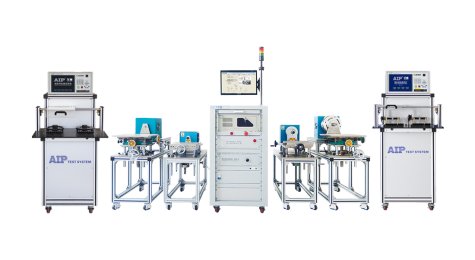
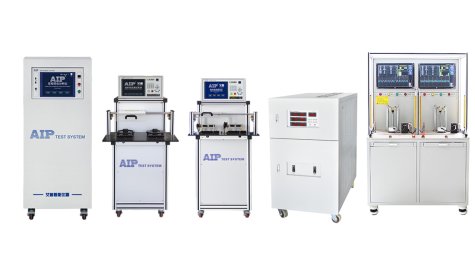
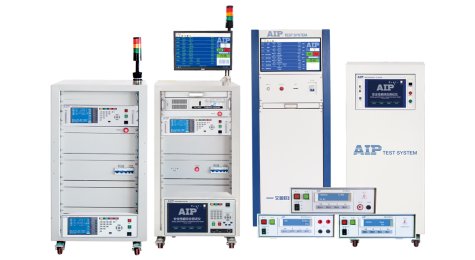
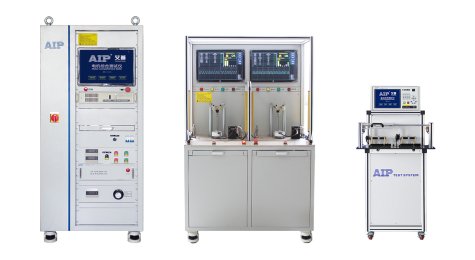
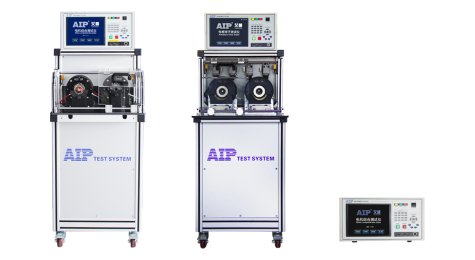
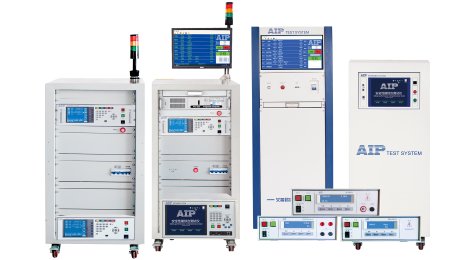
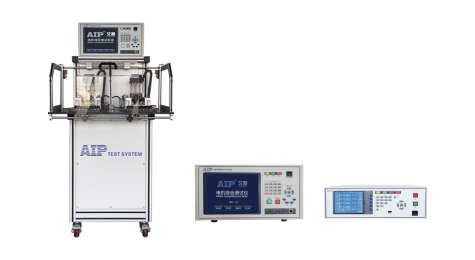
Modern electric motor manufacturing demands comprehensive motor testing solutions that cover every stage of production, from stator and rotor components to final motor assembly validation. Deploying advanced motor testing solutions at motor production facilities to execute multi-parameter checks within a single, optimized cycle time, directly minimizing bottleneck risks on the motor production floor. Comprehensive motor diagnostic matrices evaluate essential motor parameters, including winding resistance, insulation resistance, AC dielectric strength, and surge characteristics. Taking the AC Induction Motor Stator Tester as a representative example, a single test cycle simultaneously measures winding resistance across all phases, verifies phase-to-ground insulation integrity, validates AC dielectric strength safety margins, and detects turn-to-turn micro-shorts through surge testing — all within a line-speed cycle time that does not interrupt production throughput. This multi-layered motor testing approach protects the final motor against premature field failures and ensures long-term operational reliability of the motor.
High-voltage insulation risks represent a critical threat to electric vehicle drive motors and other industrial motors. Standard high-potential checks often fail to detect microscopic air voids inside the stator insulation windings. Under high-frequency voltage stress, these micro-voids ionize, leading to gradual insulation degradation and eventual catastrophic motor failure. To resolve this issue, AIP Instrument(Qingdao AIP Intelligent Instrument Co., Ltd.) integrates sophisticated Partial Discharge testing systems into motor production lines. These systems detect picocoulomb-level electrical pulses during the standard testing cycle, allowing motor quality managers to identify insulation flaws long before a failure occurs. This early detection capability transforms quality control from a reactive hurdle into a proactive manufacturing advantage.
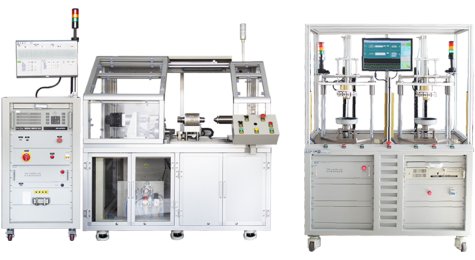
Additionally, specialized specific motor application environments require tailored ambient conditions to expose latent material weaknesses. For example, compressor motor stators operate in hermetically sealed environments filled with specialized refrigerants, where insulation breakdown occurs much more easily. Utilizing Paschen's Law, specialized stator vacuum testing equipment lowers the air pressure inside the testing chamber to simulate these exact motor operational conditions. This reduction in air pressure decreases the breakdown voltage threshold, forcing hidden insulation weaknesses, misplaced wires, and micro-fissures to reveal themselves instantly during testing. Therefore, production teams can confidently intercept defective stators before they reach the final motor assembly stage, saving significant teardown costs.
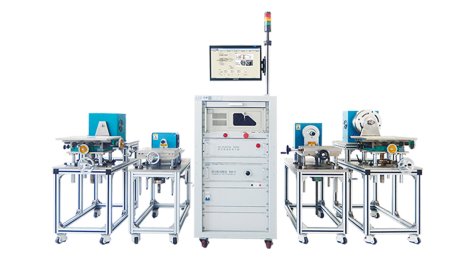
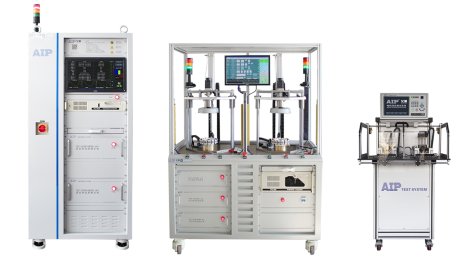
Beyond static electrical diagnostics, comprehensive quality control must evaluate dynamic mechanical performance and acoustic signatures. Integrating the Electric Dynamometer Tester into the final testing line allows production systems to measure torque variations, rotation speed, output power, and back electromotive force under realistic load conditions. Simultaneously, the Motor NVH Tester analyzes mechanical anomalies — such as bearing misalignments or rotor unbalance — by capturing acoustic and vibration signatures that purely electrical diagnostics cannot detect. This comprehensive approach ensures that every manufactured unit complies fully with strict mechanical and electrical performance specifications. Consequently, end users receive motors that operate quietly and efficiently throughout their intended operational lifespan.
Anchoring Global Tier-1 Motor Supply Chains: Cross-Border Case Studies
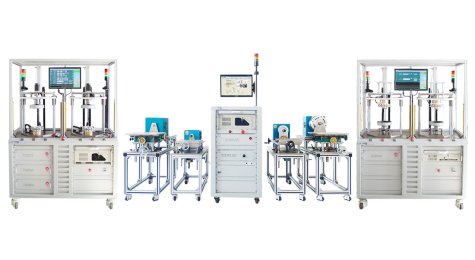
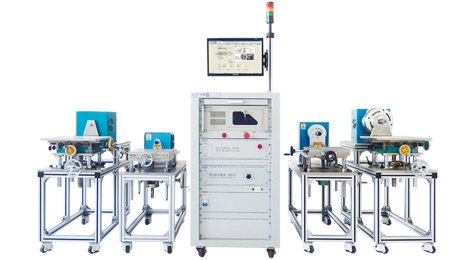
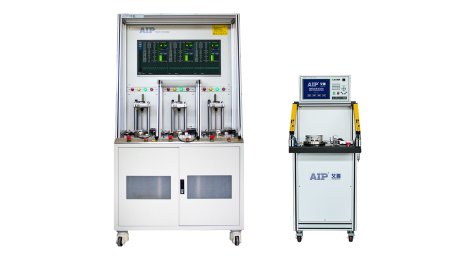
The practical value of advanced motor diagnostic infrastructure becomes clear when examining its integration into global Tier-1 automotive and appliance supply chains. Leading electric vehicle manufacturers, including industry pioneers like Volkswagen and BYD, utilize these high-capacity automated motor testing stations to secure their automotive motor production output. In hairpin stator manufacturing lines, where motor winding geometric precision and insulation integrity directly determine vehicle driving range, Motor Automation Test Solutions — integrating automated stator testers, die-cast rotor testers, and inline conveyor interfaces — validate every single motor component without slowing down production. This turnkey automation architecture eliminates manual handling between test stations and enables full MES data traceability at the individual motor level. This seamless integration proves that high-volume motor manufacturing can coexist with uncompromising quality standards when utilizing the right motor testing tools.
International appliance and industrial giants such as Nidec, Bosch, Mitsubishi, Emerson, and Hitachi also rely heavily on these integrated motor testing frameworks to maintain their market positions. Whether verifying high-volume micro-motors for smart home devices or massive industrial drives for heavy machinery, consistency across international motor facilities remains mandatory. AIP Instrument provides the exact technological uniformity required by these motor industry leaders. Adherence to strict regulatory frameworks, including CE marking and ISO standards, allows these automated motor testing systems to integrate smoothly into Western European, North American, and Southeast Asian motor factories, creating a unified motor quality control standard across global motor manufacturing networks and fostering international consumer trust.

Cyber-Physical Integration: MES Traceability and the Service Framework
In the era of smart motor manufacturing, a motor testing system must function as a core data node within the wider factory network rather than operating as an isolated hardware island. AIP‘s motor testing software connects directly with corporate Manufacturing Execution Systems and industrial internet-of-things platforms. The system automatically uploads every motor test result, curve analysis, and parameter value to a centralized database, establishing a complete digital genealogy for every single motor. Specifically, the software captures real-time motor test curves, verifies pass-fail parameters, and transfers this information to the factory database. If a field issue on a motor occurs years later, engineers can easily retrieve the exact production motor test records using the unique serial number of the motor, significantly simplifying root-cause analysis and minimizing liability risks.
Transitioning from initial motor customer requirements to active factory production requires a comprehensive, structured service model. This technical journey begins with detailed application engineering, where specialist teams evaluate the unique requirements of the customer‘s motor design, cycle time constraints, and spatial limitations. The motor testing system then undergoes precise fabrication, software customization, and strict laboratory validation before shipment. Following delivery, regional field technicians manage the physical integration, sensor calibration, and operator training on-site, ensuring immediate operational readiness on the motor production line. Furthermore, continuous remote diagnostic access provides global motor production lines with real-time technical troubleshooting and software updates, keeping motor factory lines efficient, safe, and highly productive over decades of continuous operation.
Conclusion: Partnering with the Benchmark of Modern Motor Quality
Achieving operational excellence in modern motor manufacturing requires a complete rejection of outdated, fragmented motor testing methods. AIP‘s global market leadership in motor testing stems from a deliberate combination of deep motor testing engineering experience, massive production scale, and an unwavering commitment to data-driven motor quality control. By deploying advanced testing systems that integrate high-voltage safety checks, dynamic performance analytics, and complete digital traceability, manufacturers can confidently navigate the complex requirements of modern electrification. Partnering with a proven motor testing authority like AIP allows global motor enterprises to eliminate operational risks, protect their brand equity, and ensure long-term commercial success in a competitive international motor market.
To explore customized industrial testing architectures and view detailed technical specifications, visit the official corporate portal at https://www.aiptesting.com/.