DC Brushed Motor Tester | AIP Instrument

DC Brushed Motor Tester | AIP Instrument

4-新闻
News
June 23, 2026

DC Brushed Motor Tester | AIP Instrument

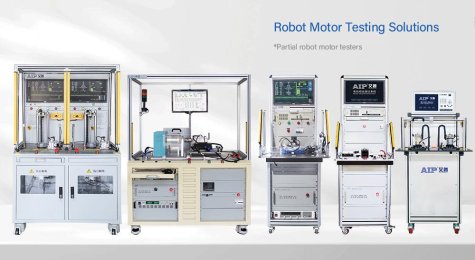
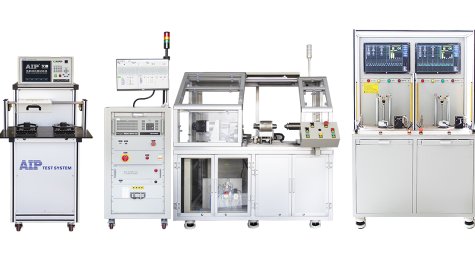
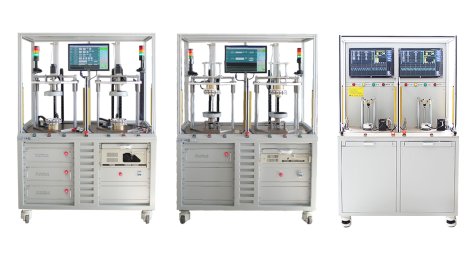
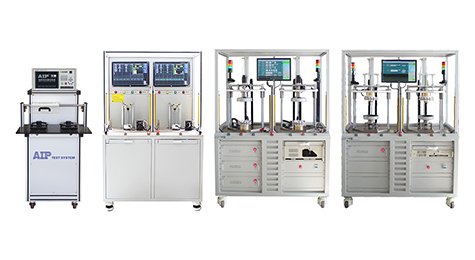
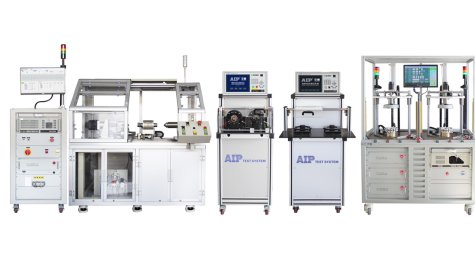
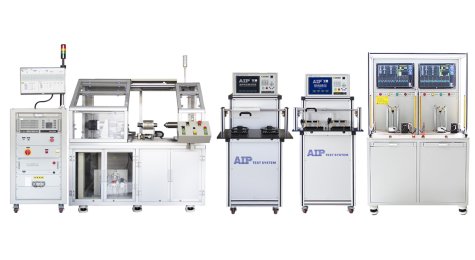
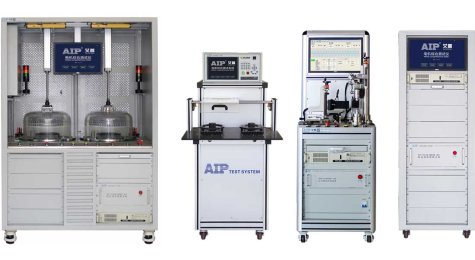
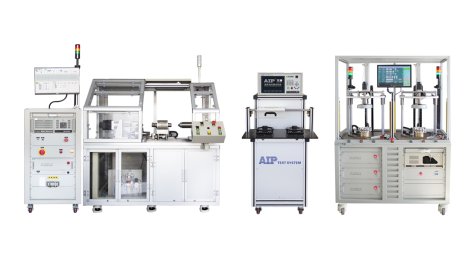
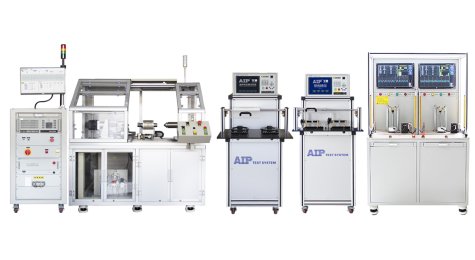
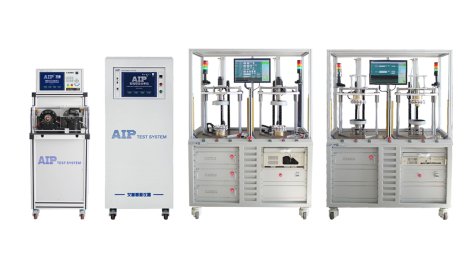
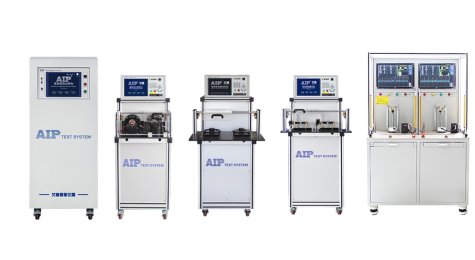
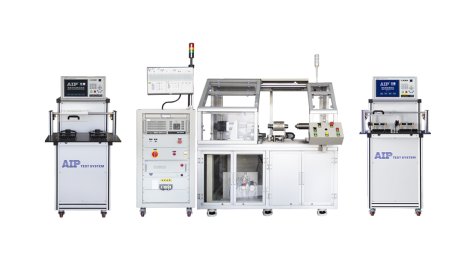
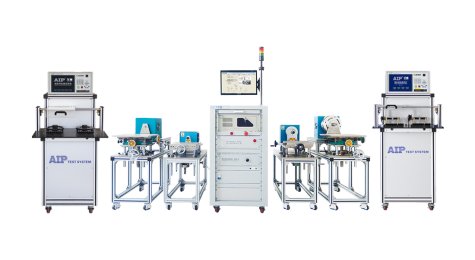
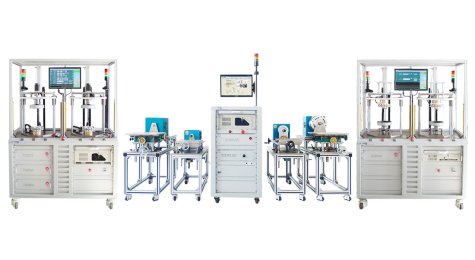
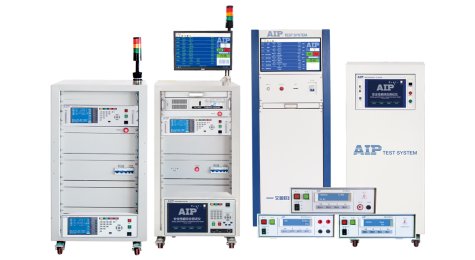
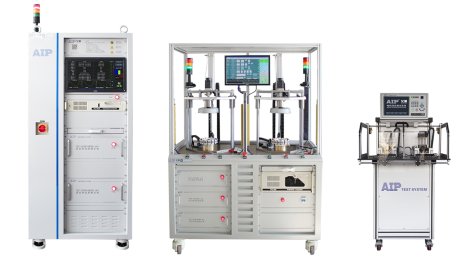
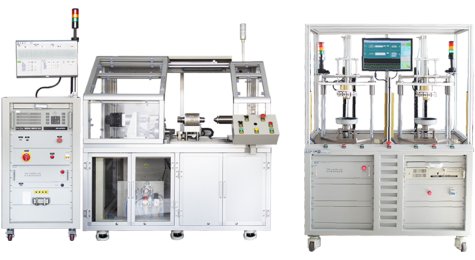
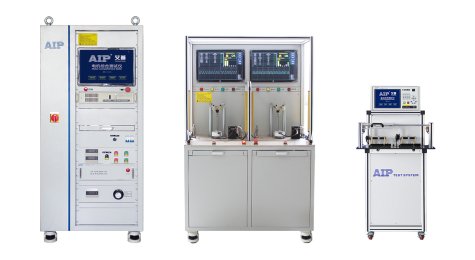
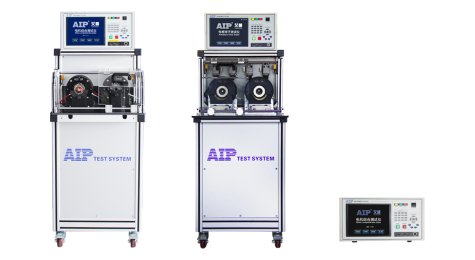
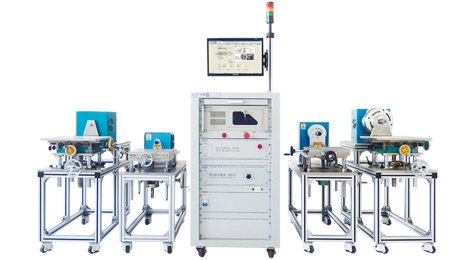
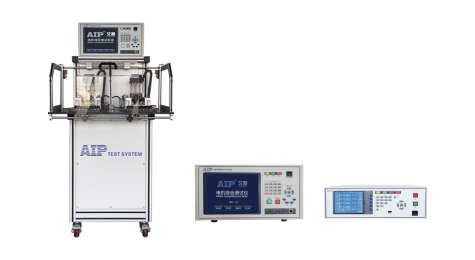
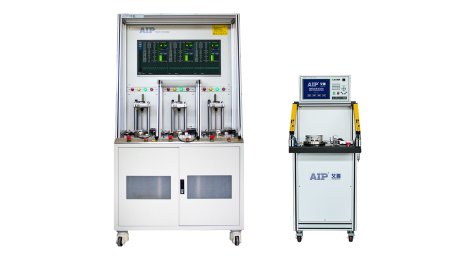
The DC brushed motor testing system is suitable for electrical performance testing of DC brushed motors, such as automotive motors, power tool motors, and small appliance motors. It is compatible with Hi-pot testing and no-load performance testing, and completes all set items in one stop. It is stable, fast, efficient, and accurate, and is widely used by domestic and foreign enterprises.

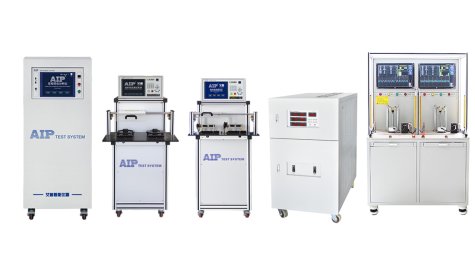
AIP's DC Brushed Motor Tester

I. Feature

1. Easy-to-operate: 19-inch large LCD screen, touch screen, and numeric keypad operation modes, which can be selected at will.

2. Ultra-high performance: Compatible with tests for hi-pot, insulation, rotation, no-load, speed, current waveform, etc.

3. Easy to maintain: Supports intelligent self-testing, remote fault diagnosis, and online software upgrades; plug-in design for easy disassembly and replacement.

4. Ultra-high efficiency:  all tests are performed at one stop with one lead connection.

5. Easy-to-use: professional test software, humanized operating interface, built-in user manual, supports both touch screen and numeric keyboard operation.

6. Multiple interfaces: optionally equipped with USB, LAN, RS232, RS485, and CAN port, support TCP/IP network protocol and PLC technology.

II . Test Items

AC hi-pot, insulation resistance, no-load characteristics, current waveform, speed, rotation, etc.

Ⅲ. Parameters


Test ProjectTechnical indicatorsIndicator parameters


AC hi-pot

Output voltage setting range/accuracyAC 500~3000V  ±(2%×set value+10V)
Breakdown current measurement range/ accuracy      0.10~20.00mA  ±(2%×display value+0.05mA)


Insulation resistance

Output voltage setting range/accuracyDC 500V/1000V ±(2%×set value+10V)

Insulation resistance measurement range/accuracy

1~500MΩ;  ≤100MΩ: ±(3%×display value+0.5MΩ);
>100MΩ: ±(5%×display value+5MΩ)


No-load characteristics

Voltage test range and accuracy0~350V ±(0.5%×range+1V)
Current testing range and accuracy0~40.0A ±(0.5%×range+2 digits)
Power test range and accuracy0~1000W ±(0.5%×display value+5 digits)
SpeedRotational speed test range and accuracy100~20000rpm ±(0.5%×displayed value+1r)

Current waveform/spectrum

Real-time display of current waveform or current spectrum; waveform can be adjusted and scaled; spectrum can be used for spectrum analysis.
RotationCW, CCW, OFF


IV . How to measure the quality of a DC brushed motor

1. Place the DC brushed motor on the tooling table of the brushed motor tester;

2. Connect the DC brushed motor and the test fixture;

3. Press the green start button on the tooling table of the brushed motor test system to start testing the DC brushed motor.

4. The display screen of the DC brushed motor test equipment shows the motor test data and results (OK or NG).

Based on the data and results displayed on the screen, the performance and status of the DC brushed motor can be directly determined.


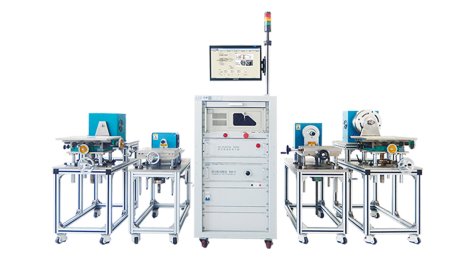
AIP's DC Brushed Motor Tester

V. Working Principle of DC Brushed Motor

A brushed DC motor is a type of motor driven by a DC power supply.

The working principle of a brushed DC motor is based on the interaction between current and a magnetic field. A brushed motor mainly consists of an armature, magnetic poles, brushes, brush wheels, and a stator. The armature is composed of conductive coils placed in a magnetic field, usually generated by a permanent magnet or electromagnet. The structure consisting of brushes and brush wheels is called the brush system, which is used to maintain the direction of the current.

During operation, the DC power supply provides current through the armature coils, creating a dynamic magnetic field. According to the right-hand rule, this magnetic field interacts with the static magnetic field of the permanent magnet, causing the armature to experience torque and begin to rotate. To maintain the current direction, the brush wheels of the brush system remain in contact as the armature rotates.

A key element is the brushes on the brush wheel. Through contact with the brush wheel, the brushes ensure that the current maintains the same direction in the armature coils. When the armature rotates to a certain position, the brushes on the brush wheel have opposite polarity to the power supply. At this point, the geometry of the brush wheel causes a change in the direction of the current; this is the function of the brush wheel and brushes, called commutation. The commutation process ensures that the motor continues to rotate, generating continuous mechanical power.

Therefore, DC brushed motors achieve the conversion from electrical energy to mechanical energy by continuously changing the direction of the current and utilizing the interaction between dynamic and static magnetic fields.


Working Principle of DC Brushed Motor

VI. Differences between DC brushed motors and brushless motors

1. The main difference between DC brushed motors lies in whether or not they have brushes.

Brushed motors use brushes and brush wheels to switch the direction of current. The brushes on the brush wheels are mechanically connected to the armature, allowing current to flow through the armature coils. However, this mechanical contact leads to friction and wear, requiring regular maintenance and brush replacement. Furthermore, due to the presence of mechanical parts, brushed motors typically generate electromagnetic interference and significant mechanical noise.

In contrast, brushless motors control the direction of current by mounting sensors on the armature and using electronic regulators, eliminating the need for brushes. This eliminates friction and wear, resulting in a longer lifespan and lower maintenance costs. Brushless motors are generally more efficient because they reduce energy loss and improve performance. Furthermore, brushless motors generate less electromagnetic interference and have relatively lower noise levels.

Differences between DC brushed motors and brushless motors

2. Brushes affect the efficiency and reliability of motors.

Because brushless motors do not involve friction between brushes and brush wheels, they are generally more energy efficient. Brushed motors, on the other hand, are relatively less efficient due to brush wear and friction. In applications where high efficiency and reliability are required, brushless motors are more commonly chosen.

AIP focus on global motor testing and provides one-stop customized motor testing solution. If you are interested in DC brushed motors, please feel free to contact us at any time!