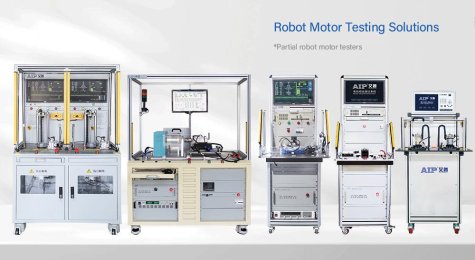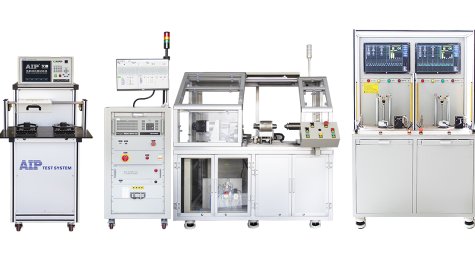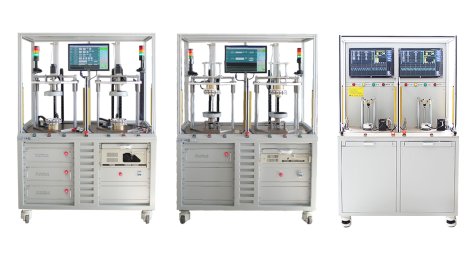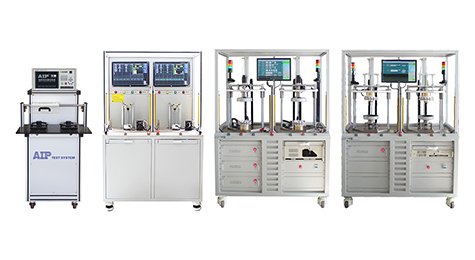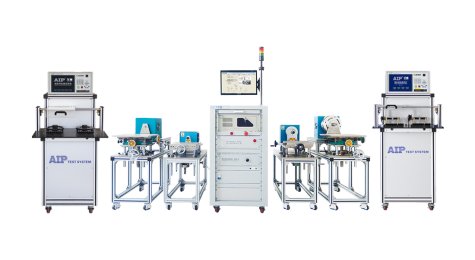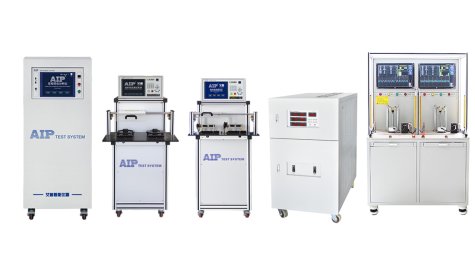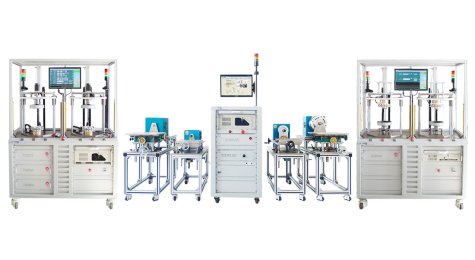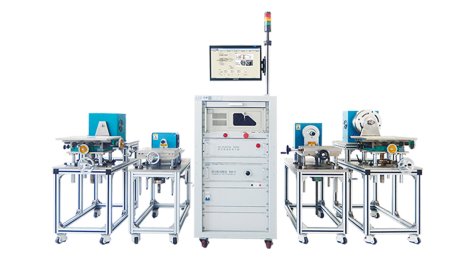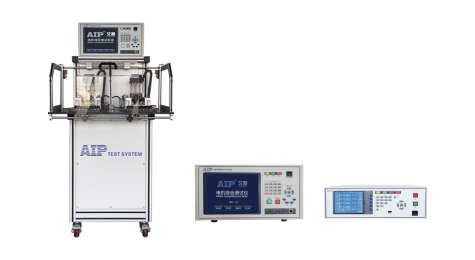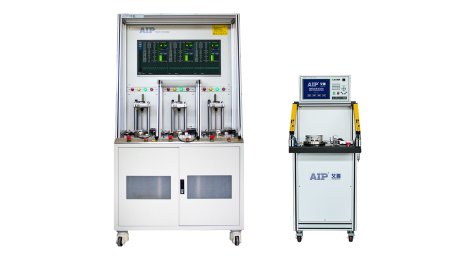
Three-Phase Motor Stator Tester

Three-Phase Motor Stator Tester

4-新闻
News
January 09, 2026

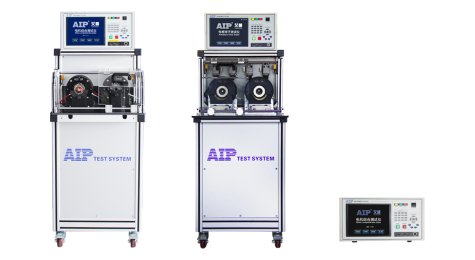
Three-Phase Motor Stator Tester

Ⅰ.Overview:

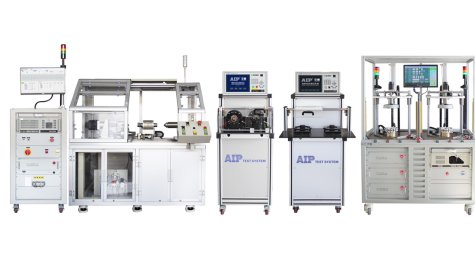
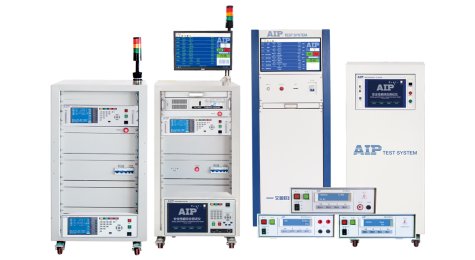
Test Items: AC Hi-pot, Insulation resistance, Surge, Coil resistance, Partial Discharge(PD) test

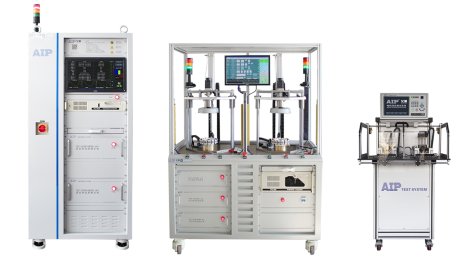
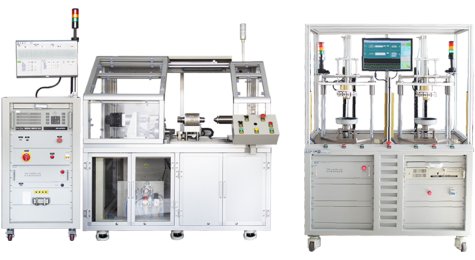
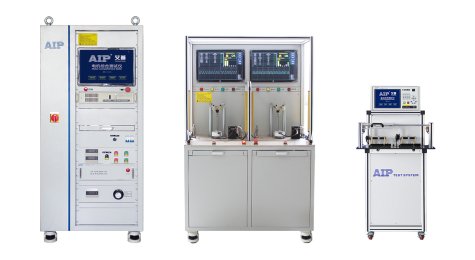
Suitable Motors: The three-phase motor stator tester is mainly suitable for testing various types of three-phase motor stators and single-phase single-speed motor stators.

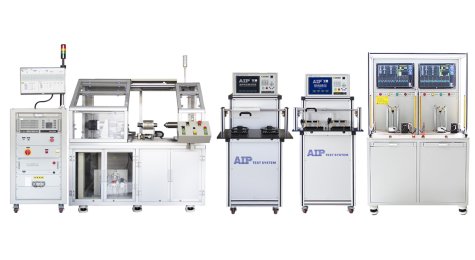
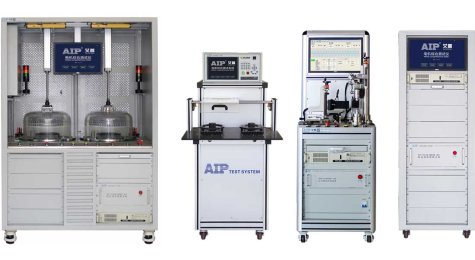
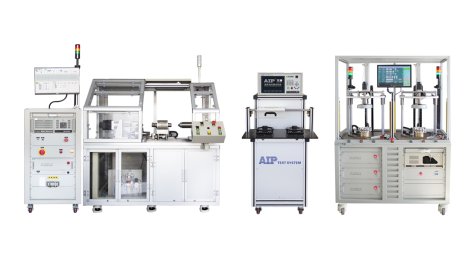
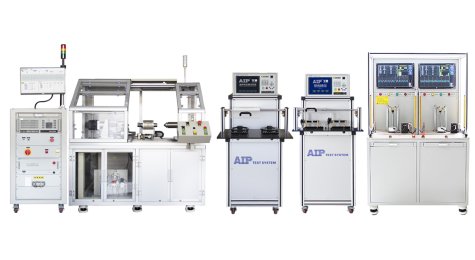
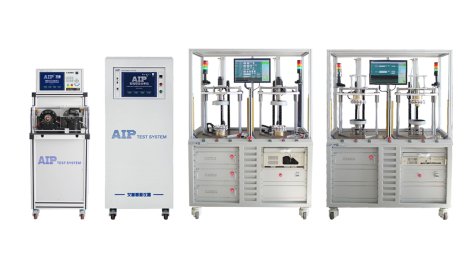
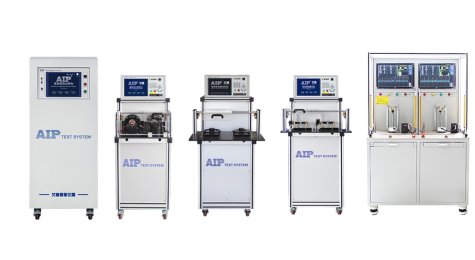
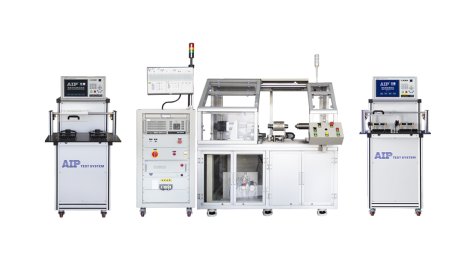
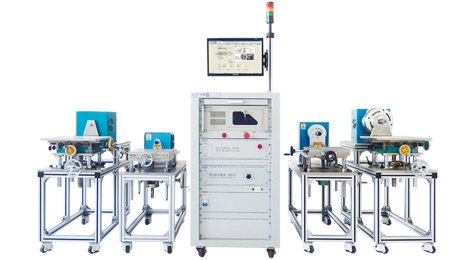
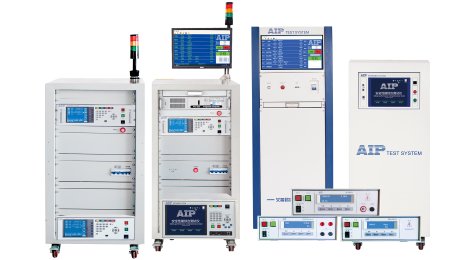
Three-phase Motor Stator Tester

Ⅱ.Key Features: 

1. The stator tester has a built-in industrial computer, allowing unlimited storage of test conditions and results. It features a USB storage interface for easy data copying, a user-friendly interface using a Windows operating system and professional control software, and a simple and clear interface.

2. The three-phase motor stator tester comes standard with 100 sets of test condition memory. 

3. Real-time ambient temperature monitoring automatically converts resistance test results to standard temperature values, simplifying result judgment and ensuring test consistency. 

4. Optional three-wire or six-wire quick-change fixtures are available, suitable for more product types. 

5. Digital closed-loop feedback control, fully automatic voltage regulation mode, automatic output voltage correction, and immunity to external power grid fluctuations ensure test accuracy. 

6. The tester's control core uses a high-speed ARM processor for comprehensive and rapid data processing. 

7. The tester boasts high testing speed; four tests can be completed within 8 seconds.


Ⅲ.Specification:

Model

AIP9963

AIP9963B

AIP9963A-05

AIP9963-S

Test Items

AC Hi-pot (phase-to-phase, to ground), insulation resistance, surge, coil resistance

Test object

Stator of small and medium-sized three-phase and single-phase motors

Test station

Cabinet,single-station (no control panel)

Desktop

Cabinet,single-station (no control panel)

Data storage methods

Industrial computer storage

USB storage (optional)

USB storage (optional)

Industrial computer storage

AC Hi-pot

Output voltage Setting range/precision

AC 200-300V ± (3% * setting value + 5 digits)

Breakdown current measurement range/precision

0.10-100mA ± (3% * displayed value + 5 digits)

0.10-200mA ± (3% * reading + 5 digits)

Current preset alarm range

Upper limit: 0.10-100mA Lower limit: 0.00-5.00mA

Upper limit: 0.10-200.00mA Lower limit: 0.00-5.00mA

Test time range/resolution

1-300s 1s/step

Arc detection (optional)

Levels 1-9 (Level 9 is the highest sensitivity)

Insulation resistance

Output voltage setting range/precision

DC 500V/1000V ± (3% * displayed value + 3V)

Insulation resistance measurement range/precision

1-500mΩ ≤100mΩ: ±(5%*displayed value + 3 digits) >100mΩ: ±(8%*displayed value + 8 digits)

Insulation resistance alarm setting range

Upper limit: 0-500mΩ Lower limit: 1-500mΩ

Test time range/resolution

1-300s 1s/step

Surge

Output voltage setting range/precision

500-3000V ± (5% * displayed value + 5V)

Waveform comparison items

Area, area difference, corona, phase

Coil resistance

Resistance measurement range/precision

0.01Ω-2000Ω ± (0.5% * reading + 2 digits)

Test time range/resolution

1-300s 1s/step


FAQ
  • What types of motors can this stator tester be used for?

    This three-phase motor stator tester is designed for testing a wide range of motor stators, including small and medium-sized three-phase motors as well as single-phase single-speed motor stators. It is suitable for quality control, production lines, and laboratory testing environments.

  • What tests can be completed with a single wiring connection?

    With one-time wiring, the tester can complete multiple tests in one station, including AC Hi-pot (phase-to-phase and to ground), insulation resistance, surge (inter-turn withstand voltage), Coil resistance, and optional partial discharge (PD) testing. This significantly improves testing efficiency and reduces operation errors.

  • How does the tester ensure accuracy and consistency of test results?

    3.The tester uses digital closed-loop feedback control and automatic voltage regulation, which compensates for power grid fluctuations. It also monitors ambient temperature in real time and automatically converts resistance test results to standard temperature values, ensuring accurate, consistent, and repeatable test results.