Humanoid Robot Motor Tester

Humanoid Robot Motor Tester

4-新闻
News
January 13, 2026

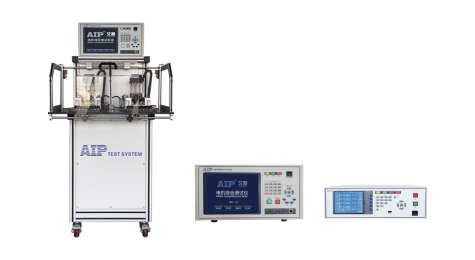
Humanoid Robot Motor Tester

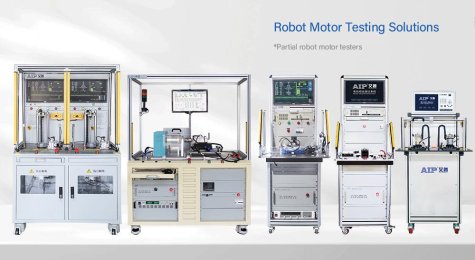
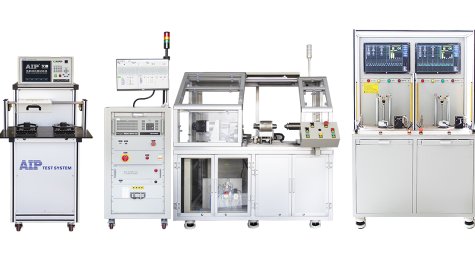
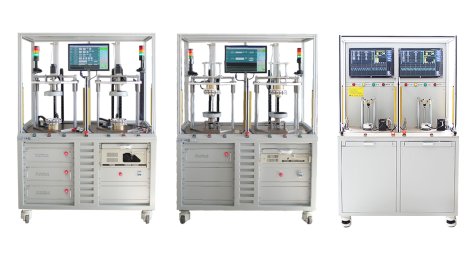
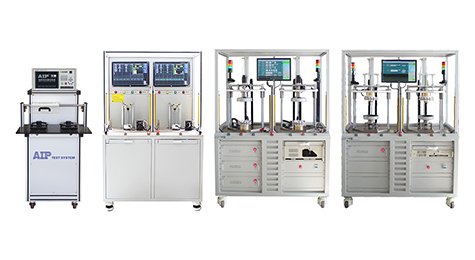
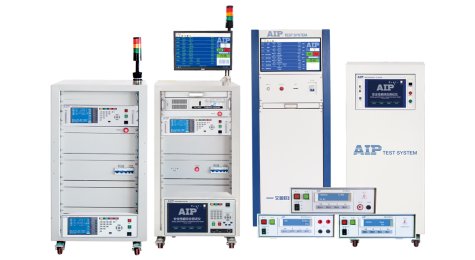
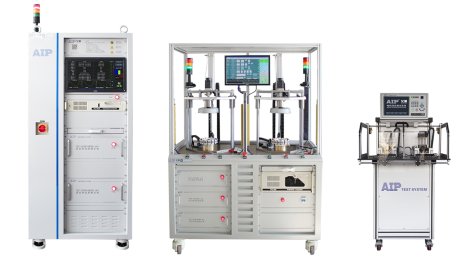
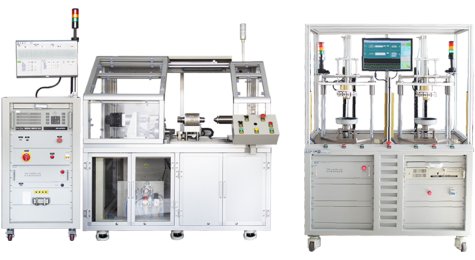
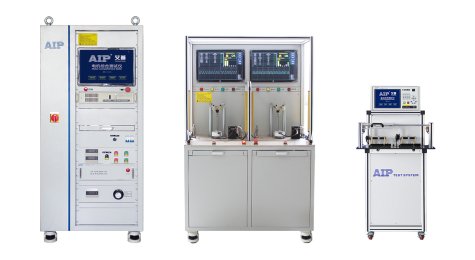
Ⅰ.What items can the humanoid robot motor tester test?

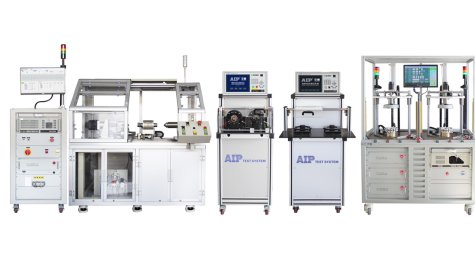
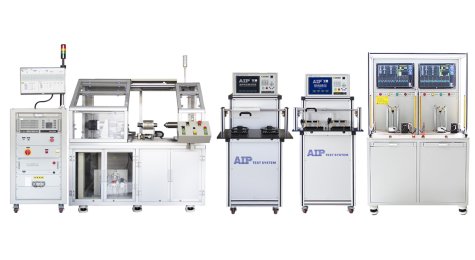
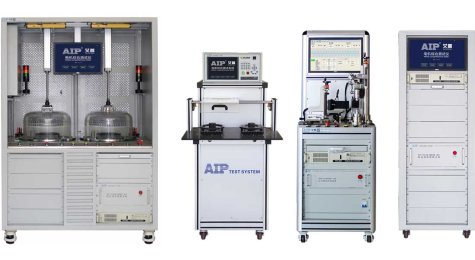
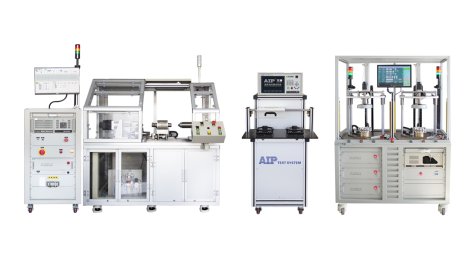
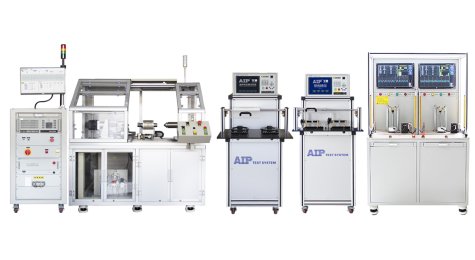
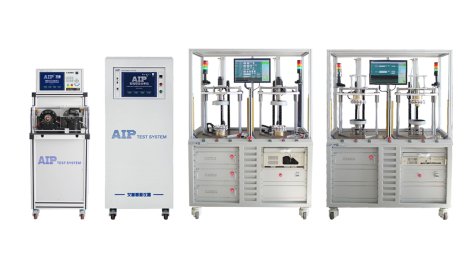
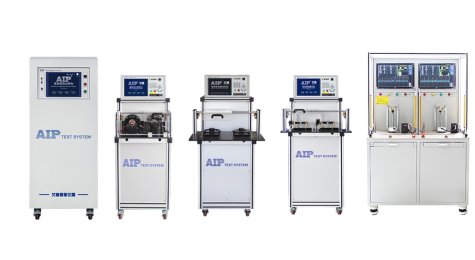
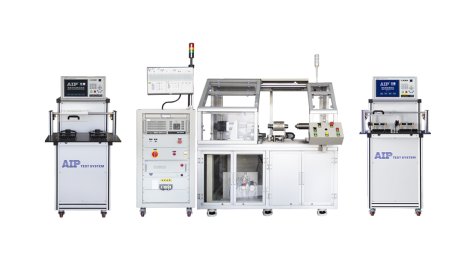
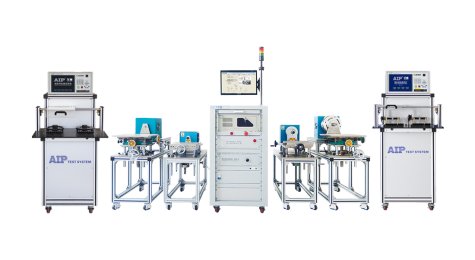
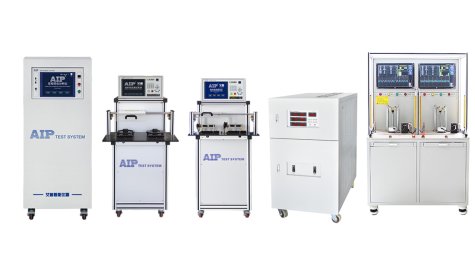
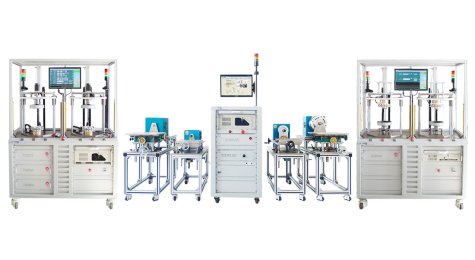
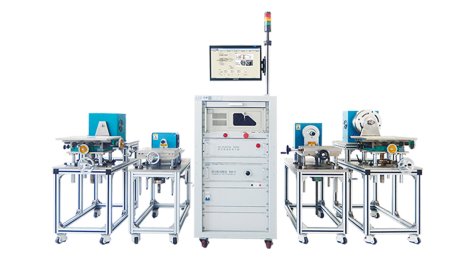
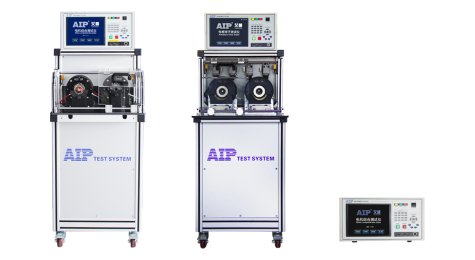
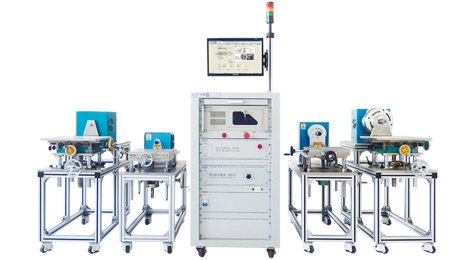
Brushless motor tester: Motor no-load/load (voltage, current, power), back EMF, Hall effect characteristics, AC hi-pot, insulation resistance (servo motors require encoder signal testing);

Motor stator tester: DC resistance, inductance, surge, AC hi-pot, insulation resistance;

Permanent magnet rotor tester: Back EMF, magnetic flux, magnetic distribution, etc.

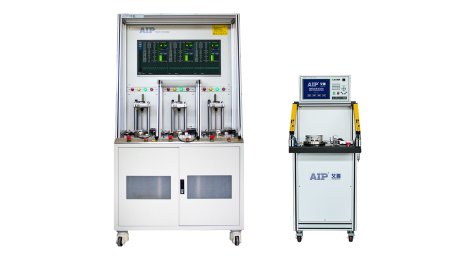
Humanoid Robot Motor Tester


Ⅱ.What type of motor is suitable for the humanoid robot motor tester?

 Applicable to humanoid robot motor testing.


test sample

test sample

Ⅲ.What are the key features of the humanoid robot tester?

1. High-Precision Testing: Employs high-precision sensors and advanced calibration technology to ensure the accuracy and reliability of test results.

2. Multi-Condition Simulation: Simulates the operating conditions of a humanoid robot under various working conditions, comprehensively evaluating motor performance.

3. Automated Testing: Supports one-click start of the testing process, automatically completing test data collection, processing, and report generation, improving work efficiency.

4. Customized Testing: Users can customize test plans according to actual needs, flexibly setting test parameters and test modes.

5. Data Analysis and Diagnosis: Provides powerful data analysis functions to help users quickly identify motor performance problems and propose improvement suggestions.

Humanoid Robot Motor Tester

Ⅳ.Types of Motors for Humanoid Robots

1.Brushless DC (BLDC)Motor 

BLDC motors offer advantages such as high efficiency, low energy consumption, low noise, ultra-long lifespan, and high reliability. Furthermore, they exhibit good linearity in mechanical and adjustment characteristics, a wide speed range, and are easy to maintain.

In humanoid robots, BLDC motors are commonly used to drive joints, arms, legs, and other parts requiring precise control and high-efficiency energy conversion.

2. Permanent Magnet Synchronous Motor (PMSM)

PMSM motors use permanent magnets for excitation. They have a simple structure, require no excitation current or excitation losses, and therefore have high efficiency and power density. They operate stably and have a fast response speed, making them suitable for applications requiring high precision and high dynamic performance.

In humanoid robots, PMSM motors are commonly used in applications requiring precise position control and high-speed response, such as head rotation and hand grasping.

3. Servo Motors

Servo motors offer even higher control precision and response speed. They employ closed-loop or semi-closed-loop control methods, equipped with encoders and feedback mechanisms to ensure high control precision and smooth speed response. Servo motors are widely used in applications requiring precision control, such as semiconductors, photovoltaics, lithium batteries, and industrial robots. In humanoid robots, servo motors are one of the core control components, used to achieve high-precision movements and complex control.

4. Stepper Motors

Stepper motors have a simple structure and low cost, but their efficiency and control precision are relatively low. Stepper motors directly convert pulse signals into angular momentum, with a constant step angle. They are typically used in open-loop control systems, such as office automation, communication equipment, and printing equipment. In humanoid robots, stepper motors may be used in auxiliary parts where high control precision is not required.

5. Frameless Torque Motors

Frameless torque motors are multi-stage, housing-less direct-drive motors that offer enhanced torque and a compact structure. Their specifications and selection depend primarily on torque, not power. These motors can continue to operate and provide stable torque to the load even at low speeds or when stalled, and the load is directly connected to the rotor, reducing frictional losses. Frameless torque motors are mainly used in collaborative robots and other fields. Due to their compact size, high torque, and hollow wiring characteristics, they are also suitable for use in the joint design of humanoid robots.


If you are interested in AIP robotic motor test solutions or other motor testers, please contact us, AIP will provide you with professional technical guidance and service!