Robot Frameless Torque Motor Tester

Robot Frameless Torque Motor Tester

4-新闻
News
December 16, 2025

Robot Frameless Torque Motor Tester

Product Overview

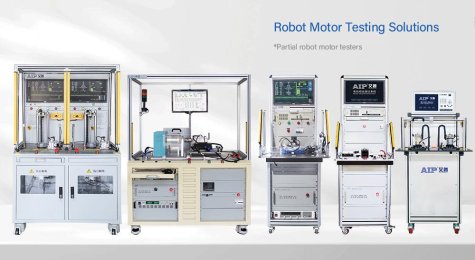
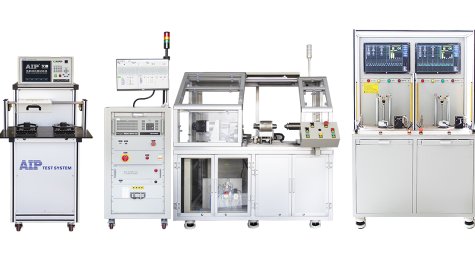
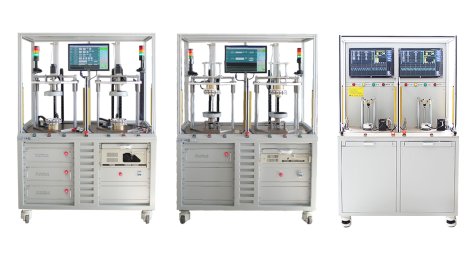
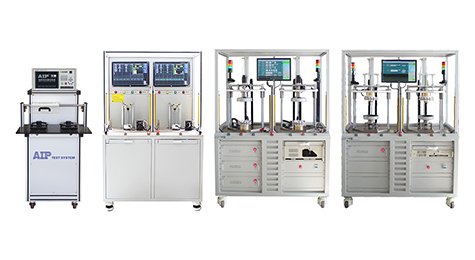
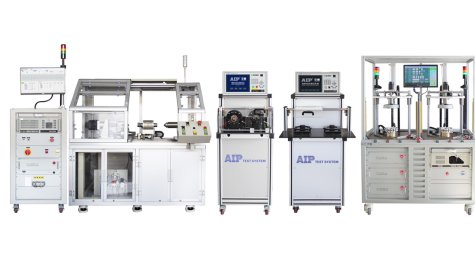
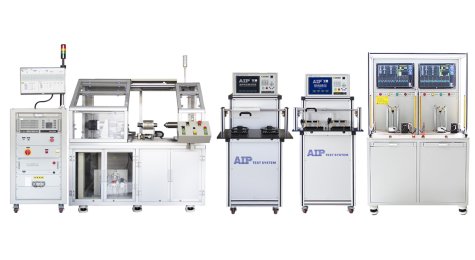
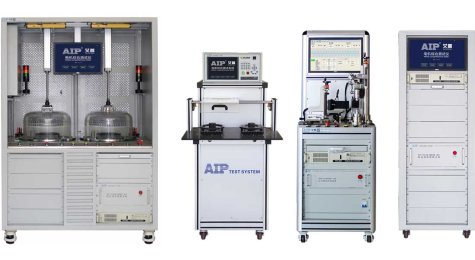
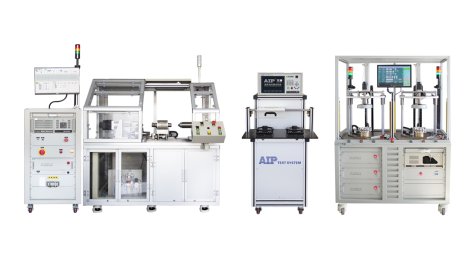
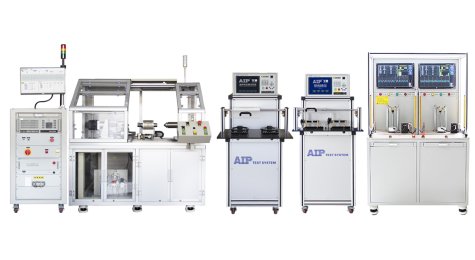
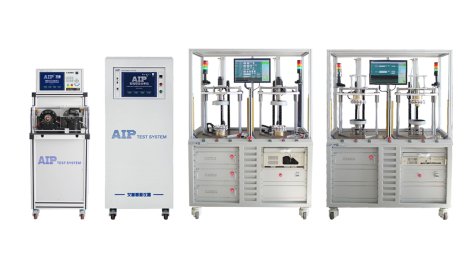
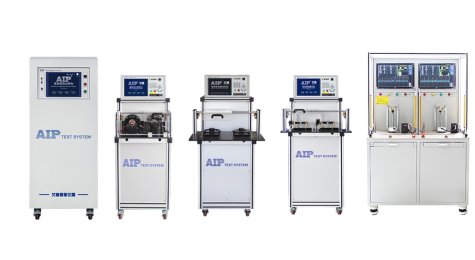
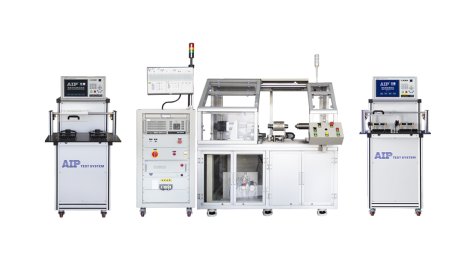
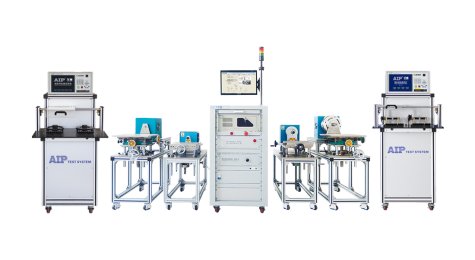
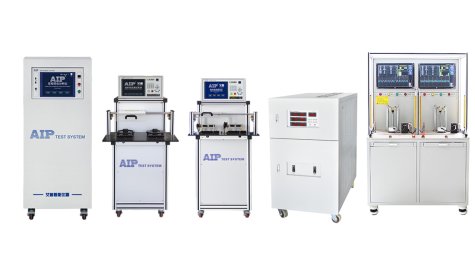
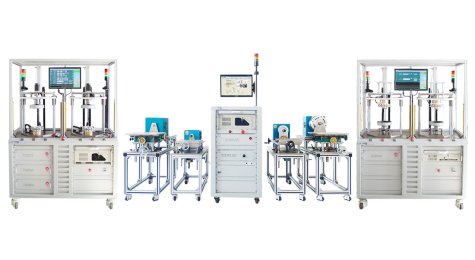
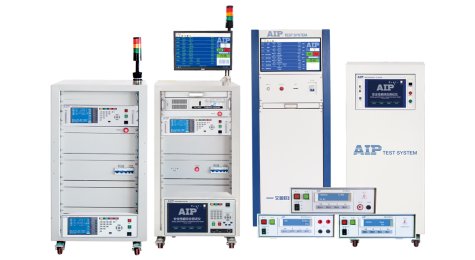
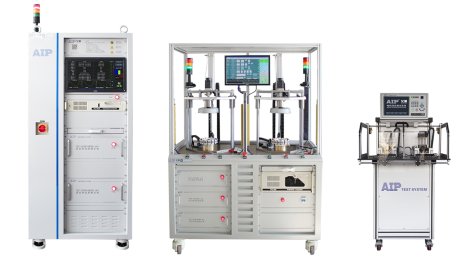
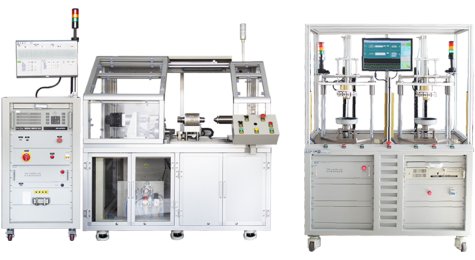
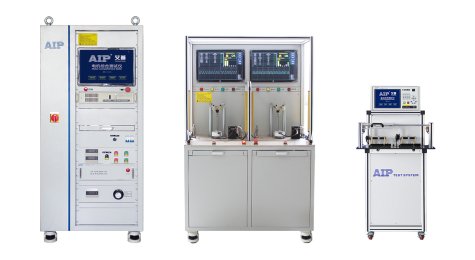
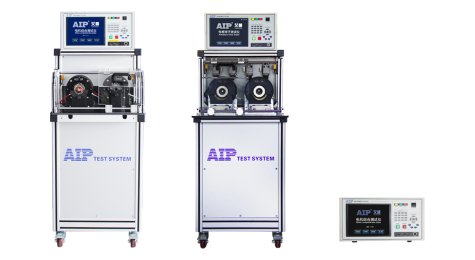
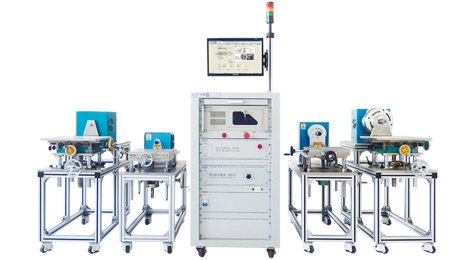
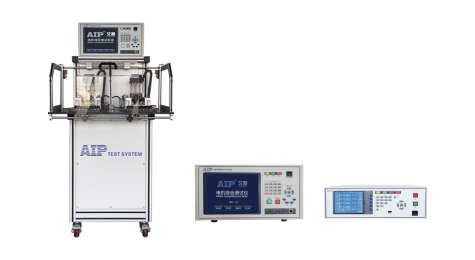
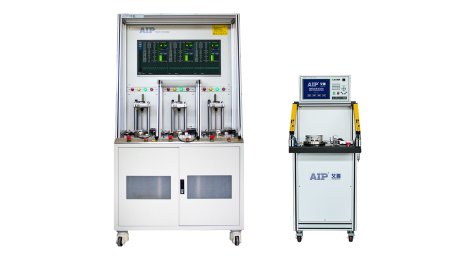
The robot frameless torque motor tester is a high-precision testing platform specifically designed to evaluate the performance of frameless torque motors—the core drive components of humanoid robots.

Considering the unique structure of frameless torque motors (no housing, consisting only of a stator and rotor) and their demanding application requirements, the system integrates high-accuracy sensors and intelligent algorithms to perform comprehensive performance validation and reliability testing on the stator, rotor, and complete motor assembly.

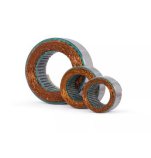
Robot Frameless Torque Motor Test SampleRobot Frameless Torque Motor Test Sample


Applicable Motors

Frameless torque motors


Ⅰ. Test Items

1. Frameless Torque Motor Stator Tests

· DC resistance

· Insulation resistance

· Surge

· AC Hi-pot

· Inductance

· Back EMF (electromotive force)

2. Frameless Torque Motor Permanent Magnet Rotor Tests

· Surface magnetic field testing

· Magnetic flux

· Back EMF

· Hall sensor characteristics

3. Frameless Torque Motor Assembly Tests

· No-load testing

· Back EMF

· Cogging torque

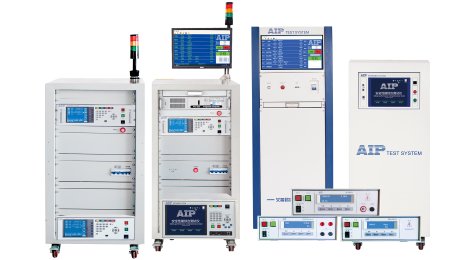
The tester is customizable. Test items can be added or removed according to customer requirements.


Frameless Torque Motor Tester

Ⅱ. Technical Advantages 

1. High-Precision Dynamic Testing

Equipped with high-accuracy sensors and advanced calibration technology, the tester precisely captures transient motor performance, ensuring reliable and repeatable test data.

2. Multi-Operating Condition Simulation

The tester can simulate various robot operating conditions to comprehensively evaluate motor performance under real-world scenarios.

3. Automation and Intelligence

One-click automated testing integrates data analysis and diagnostic functions, enabling rapid fault identification and automatic report generation, significantly improving production yield.

4. Customized Test Solutions

Test parameters and modes can be flexibly configured to accommodate different motor sizes and application scenarios.


Ⅲ. Technical Challenges in Frameless Torque Motor Testing

The frameless torque motor tester is both specialized and critical because it directly addresses the unique challenges caused by the “frameless” and “highly integrated” characteristics of such motors.

1. Overcoming the “Frameless” Challenge

Traditional motor testing relies on complete housings and bearing structures for mounting and positioning. Frameless motors, consisting only of a stator and rotor, require specialized fixtures and tooling to accurately simulate real installation conditions, ensuring test accuracy and data comparability.

The AIP robot frameless torque motor tester adopts dedicated sensors and closed-loop controlled fixtures to minimize system instability and parameter deviations commonly encountered during frameless motor testing.

2. Solving the “Integration” Challenge

Frameless motors are often deeply integrated into robotic joint modules, tightly coupled with drivers, encoders, and reducers. Therefore, the testing system must evaluate not only the motor itself but also the integrated module’s overall performance, including system efficiency, dynamic response, and thermal management.   


Robot Frameless Torque Motor Tester


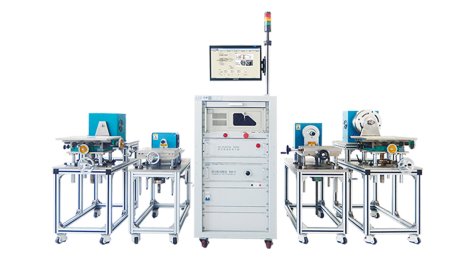
The AIP frameless torque motor tester supports integrated testing of robotic joint modules, covering critical performance indicators such as cogging torque and overall motor performance.


FAQ
  • What types of frameless torque motors can this tester support?

    The Robot Frameless Torque Motor Tester supports a wide range of frameless torque motors with different sizes, torque ratings, and application scenarios. Through customized fixtures and flexible parameter configuration, the system can adapt to various motor designs used in humanoid robots and robotic joint modules.

  • Can the system test integrated robotic joint modules instead of standalone motors?

    Yes. In addition to standalone stator and rotor testing, the system is capable of testing fully integrated robotic joint modules. It evaluates key performance indicators such as cogging torque, back EMF, dynamic response, and overall system efficiency, making it suitable for highly integrated robotic applications.

  • Is the tester customizable for specific production or R&D requirements?

    3.Absolutely. The tester is fully customizable. Test items, automation levels, hardware configurations, and software functions can be tailored to meet specific R&D validation, pilot production, or mass production testing needs, ensuring optimal performance and scalability.