Core Testing Items for Frameless Torque Motors in Robotic Joint Applications | AIP Motor Testing Solutions

Core Testing Items for Frameless Torque Motors in Robotic Joint Applications | AIP Motor Testing Solutions

4-新闻
News
December 08, 2025

Core Testing Items for Frameless Torque Motors in Robotic Joint Applications | AIP Motor Testing Solutions

Ⅰ.Comprehensive Testing Standards for Frameless Torque Motors in Robotic Joint Applications

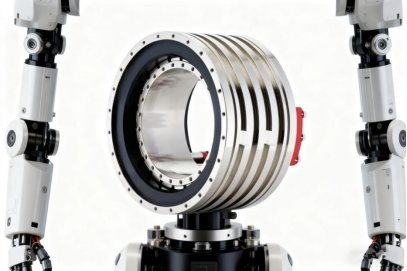
Frameless torque motors serve as the core power units for robotic joints and precision direct-drive systems. Thanks to their high torque density, low inertia response, and direct-drive characteristics, they are widely used in humanoid robots, collaborative robotic arms, and advanced automation equipment.

Because their electrical characteristics directly determine output accuracy, reliability, and service life, frameless torque motors must undergo systematic and rigorous testing. The following outlines the key performance evaluations essential for ensuring long-term stability and optimal performance.


Frameless Torque Motors

1. Fundamental Insulation & Hi-pot Tests

1.1 Insulation Resistance Test

This test evaluates the insulation resistance between windings and housings, and between individual windings. It helps identify insulation aging, moisture intrusion, or manufacturing defects such as winding damage. Ensuring insulation integrity is the foundation of safe motor operation and prevents short-circuit failures.

1.2 AC Hi-pot Test

A short-term high voltage—often “2× rated voltage + 1000 V” for 1 minute—is applied between windings and the motor housing. This verifies the insulation system’s ability to withstand transient overvoltage without breakdown. It ensures stable motor performance in complex electromagnetic environments.

1.3 Surge Test

By applying high-frequency pulses across adjacent windings and analyzing waveform distortion, this test detects turn-to-turn insulation weaknesses caused by manufacturing imperfections. Early identification helps prevent localized overheating and failure during operation.


2. Electrical Performance Tests of Motor Windings

2.1 DC Resistance Measurement

DC resistance values and three-phase balance are measured to detect issues such as inconsistent wire gauge, incorrect turns, or poor solder joints. Abnormal resistance can lead to uneven current distribution and reduced efficiency.

2.2 Inductance Test

Phase inductance and leakage inductance measurements provide insight into electromagnetic coupling characteristics. Inductance data is essential for precise current-loop parameter tuning in motor control algorithms.

2.3 NTC Temperature Sensor Test

By monitoring NTC resistance variations, engineers can evaluate winding temperature behavior under load. This supports thermal design optimization and helps assess operating temperature rise and cooling performance.


3. Dynamic Electrical Performance Tests

3.1 No-Load Performance Test

Without load, the motor’s input voltage, current, and power are measured to determine no-load losses (iron losses and mechanical losses). Waveform analysis helps assess magnetic circuit design and potential core saturation.

3.2 Back Electromotive Force (BEMF) Test

With the motor driven in free rotation, BEMF characteristics—including amplitude, linearity, and frequency—are tested. BEMF accuracy is critical for speed/position estimation in sensorless control and reflects magnet quality and magnetic circuit design.

3.3 Cogging Torque Test

Cogging torque represents periodic torque ripple caused by stator slots interacting with rotor magnets. Measuring low-speed ripple helps evaluate motion smoothness—an essential factor for robotic joints that require precise, vibration-free movement.

3.4 Total Harmonic Distortion (THD) & Order Analysis

THD analysis measures harmonic contents in voltage/current inputs to evaluate electromagnetic interference (EMI). Order analysis correlates vibration and noise signals with motor speed to pinpoint harmonic-related noise sources. Excessive THD can lead to overheating, increased EMI, and reduced control accuracy.


4. Control-Related Electrical Tests

4.1 Hall Sensor Test

For motors with built-in Hall sensors, installation angle and offset are measured. Accurate Hall positioning ensures smooth startup and stable low-speed operation, especially in robotic and precision control applications.

4.2 Phase Angle Test

This test analyzes phase relationships among currents and voltages to verify proper commutation logic. Phase deviation can result in torque fluctuation, reduced efficiency, or unstable operation.

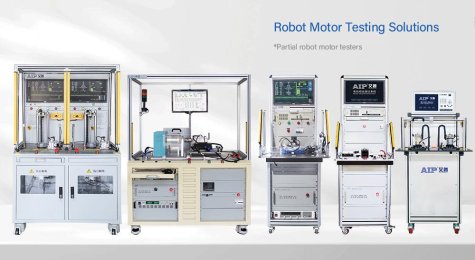
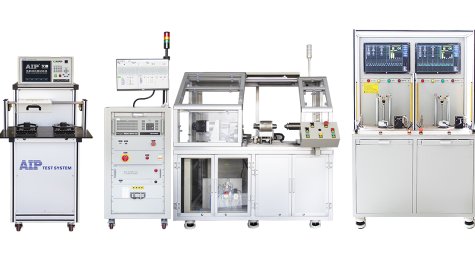
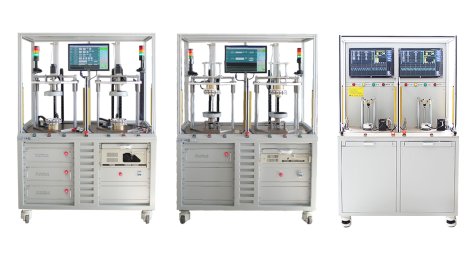
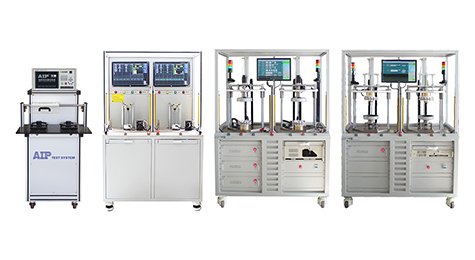
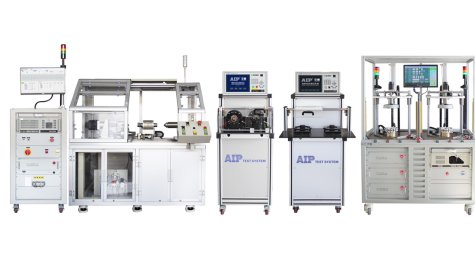
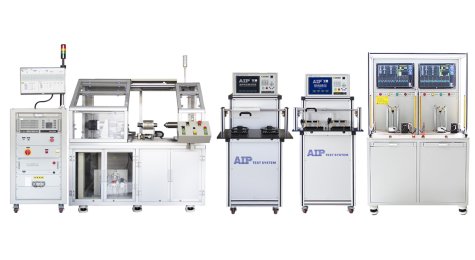
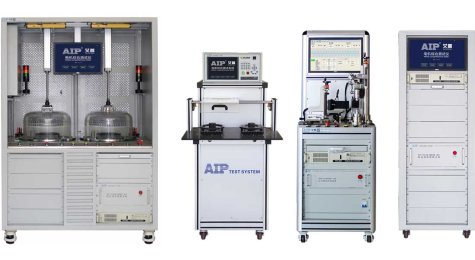
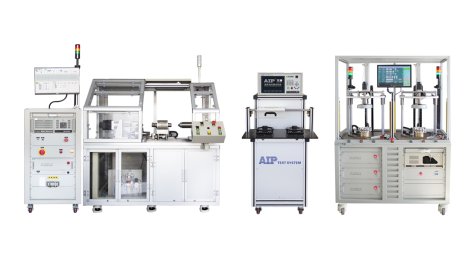
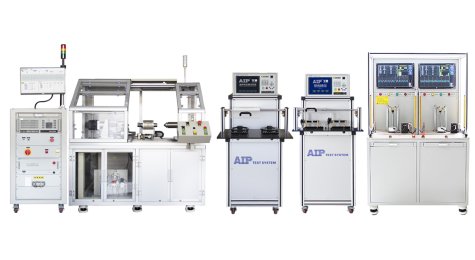
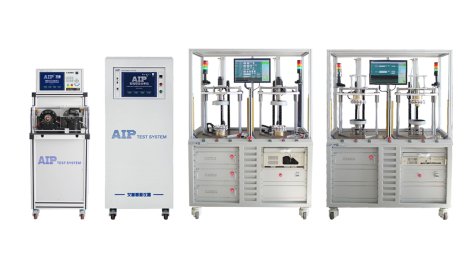
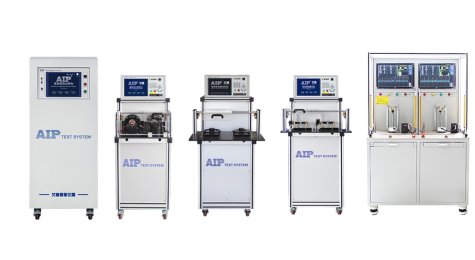
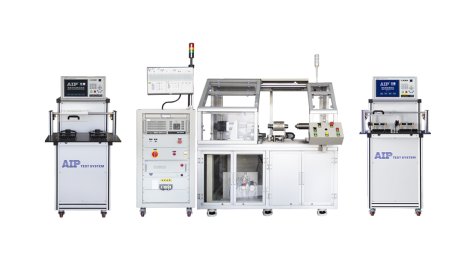
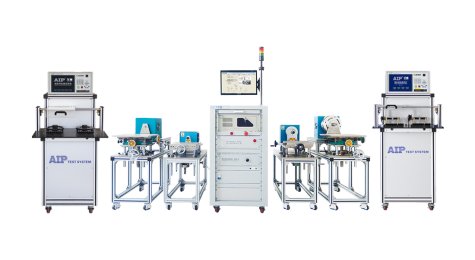
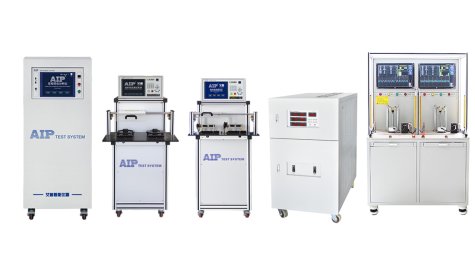
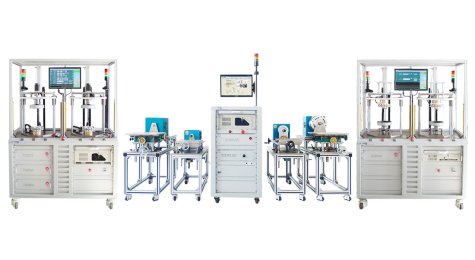
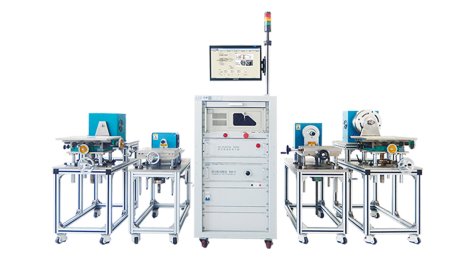
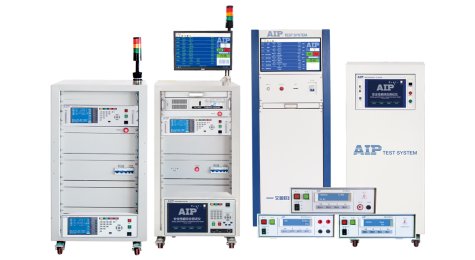
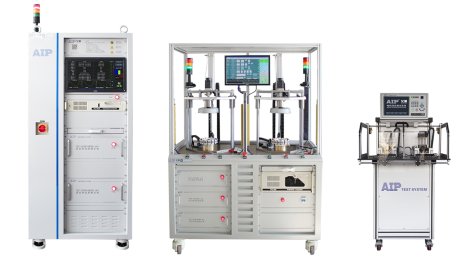
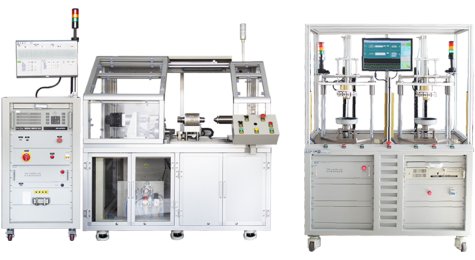
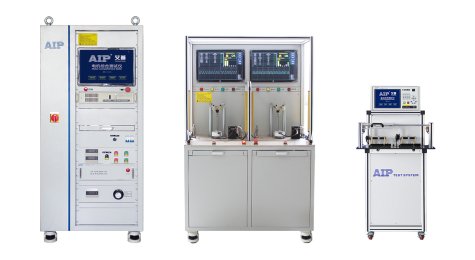
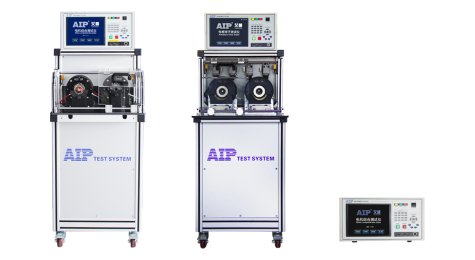
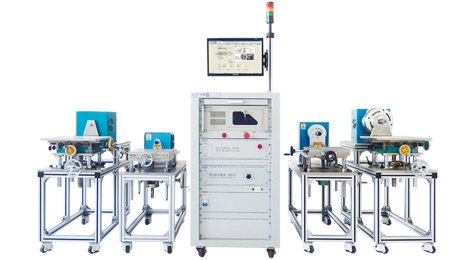
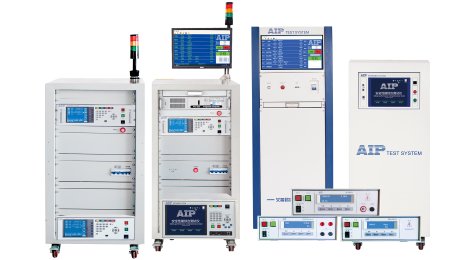
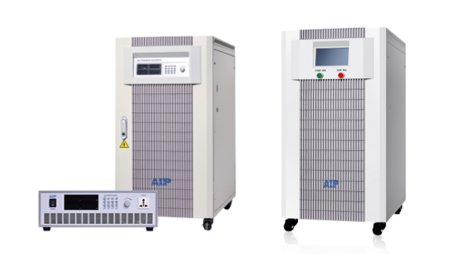
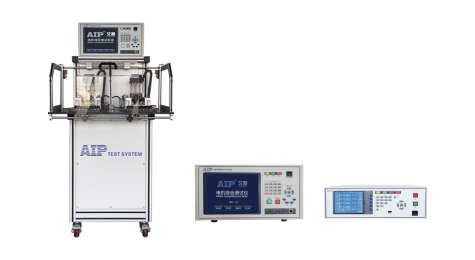
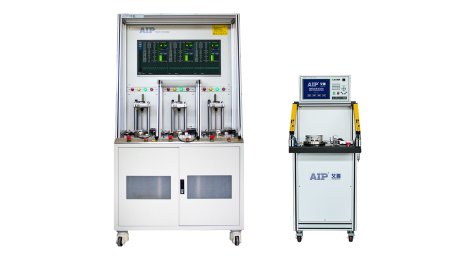
Frameless Torque Motor Testers


Ⅱ.AIP: One of the best motor tester manufacturers in the world

AIP specializes in advanced motor testing solutions globally. Our frameless torque motor tester delivers full-spectrum, high-precision evaluations covering insulation, electrical performance, dynamic characteristics, and controller-related diagnostics.

As robotics continues to evolve rapidly, AIP remains committed to deepening innovation in motor testing, empowering the next generation of high-performance frameless torque motors and enabling high-quality development across the global robotics industry.


Ready to Upgrade Your Robot Motor Test Solutions?

Contact AIP today to get expert consultation or request a demo of our full-stack torque motor testers.

Let us help you build more accurate, reliable, and future-ready robotic systems.