Automotive Motor Testing Solutions: How to Overcome EV Motor Testing Challenges

Automotive Motor Testing Solutions: How to Overcome EV Motor Testing Challenges

4-新闻
News
February 03, 2026

Automotive Motor Test Solutions: How to Overcome EV Motor Testing Challenges

As the core source of vehicle power output and motion control, automotive motors play a decisive role in overall vehicle performance, safety, and reliability. Automotive motors are generally categorized into drive motors and auxiliary motors, each with distinct functions and testing requirements.

With the rapid shift toward electrification, intelligence, and high-voltage architectures, automotive motors are becoming more compact, integrated, and complex. Operating conditions are harsher, performance standards are higher, and regulatory compliance is stricter—making automotive motor testing more challenging than ever.

A professional automotive motor tester has therefore become a critical enabler for full-lifecycle validation, quality assurance, and compliance in modern vehicle manufacturing.


Automotive Motor Test Solutions

Ⅰ. Automotive Drive Motor Testing

1. Adapting to High-Voltage Trends and Securing the Powertrain Core

As the “power heart” of electric and hybrid vehicles, automotive drive motors are evolving toward higher voltage levels, higher speeds, and greater integration. Comprehensive drive motor testing must evaluate:

· Electrical performance

· Safety and insulation reliability

· Efficiency and torque characteristics

· Durability and lifetime performance

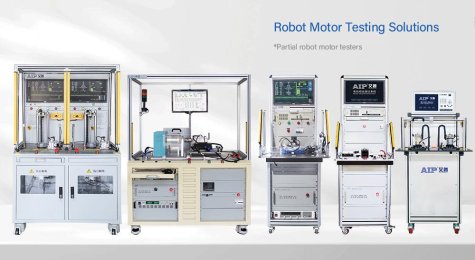
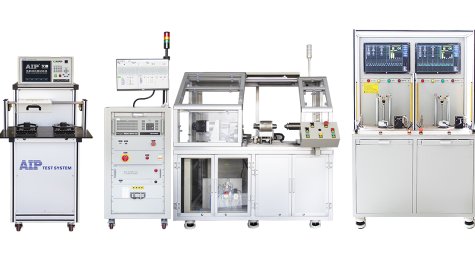
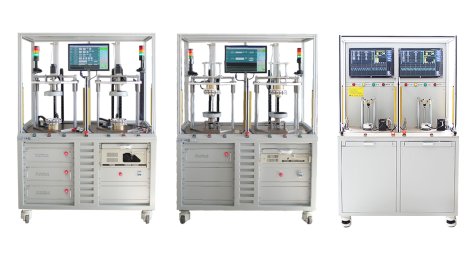
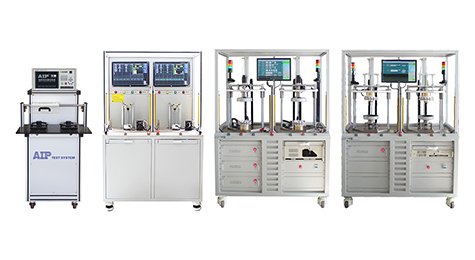
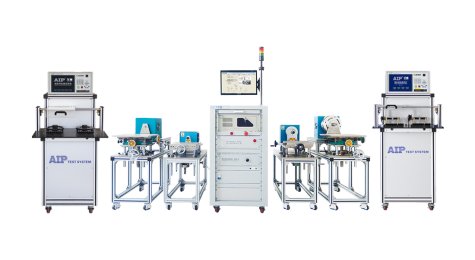
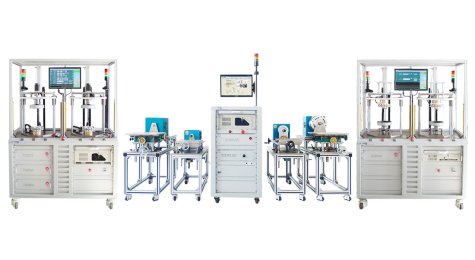
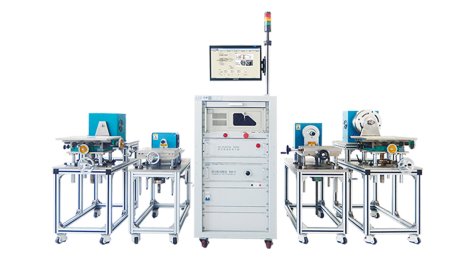
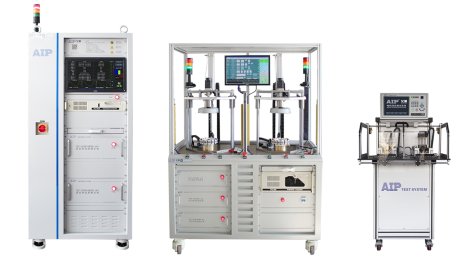
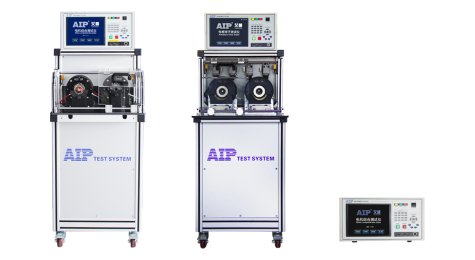
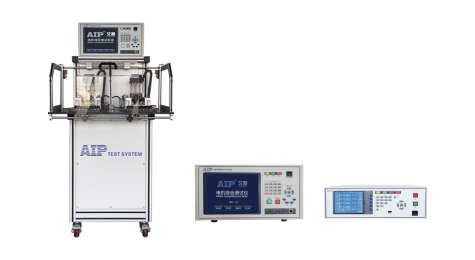
Modern automotive drive motor testers are built around an integrated test platform that combines mechanical loading, electrical measurement and control, and data acquisition & analysis. This enables precise and repeatable testing under all operating conditions.

2. Electrical Performance & Safety Testing

The advanced drive motor tester automatically generates torque–speed and efficiency–speed curves through dynamic load scanning, allowing engineers to accurately capture key performance parameters across the full operating range.

Integrated electrical safety test modules perform insulation resistance and hi-pot tests, effectively preventing risks such as insulation breakdown or excessive leakage current under high-voltage conditions—ensuring safe and stable motor operation.

3. Optional Advanced Tests for Enhanced Reliability

Customized automotive drive motor testing solutions can be equipped with advanced modules, including:

· Partial Discharge (PD) Testing

PD testing detects extremely weak discharge signals inside the insulation system, enabling early identification of insulation defects and aging risks before catastrophic failures occur in high-voltage environments.

· Cogging Torque Testing

Using high-precision torque sensors, cogging torque testing captures torque ripple during rotor rotation. The quantified results support optimization of stator–rotor design, reduction of noise and vibration, and improved driving comfort.


Ⅱ. Automotive Auxiliary Motor Testing

1. Comprehensive Coverage for Diverse Operating Conditions

Automotive auxiliary motors include nearly 100 different motor types, such as:

· ABS motors

· EPS motors

· Wiper motors

· Water pump motors

Although auxiliary motors typically have lower individual power ratings, they operate under highly diverse and demanding conditions, with strict requirements for stability, durability, and consistency. This makes customized auxiliary motor testing solutions essential.

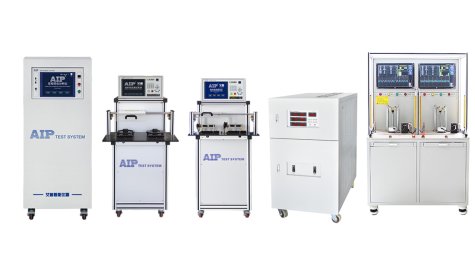
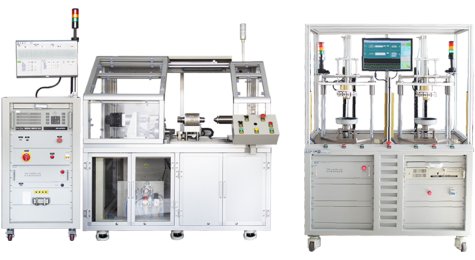
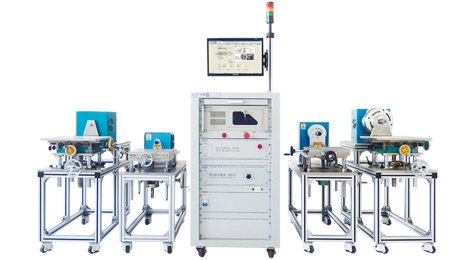
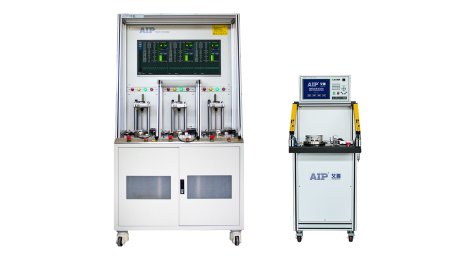
Automotive auxiliary motor tester is typically designed with a modular architecture, allowing flexible configuration based on motor type and test objectives. This supports testing across the entire lifecycle—from R&D and pilot production to mass manufacturing.

2. Automated Testing & High-Efficiency Quality Control

Modern auxiliary motor testers integrate high-precision sensors for temperature, torque, and speed, combined with dedicated software platforms to achieve:

· Automated test sequences

· Real-time data acquisition

· Cloud-based data storage

· Multi-dimensional data analysis

Some systems feature single-point wire damage testing modules, replacing traditional saltwater tests. This non-destructive method enables batch detection of enamel wire defects with significantly higher detection efficiency and yield—ideal for large-scale production environments.

3. Recommended Configurations for Critical Auxiliary Motors

For applications such as automotive compressor motors, water pump motors, electronic pump motors, and alternator motors, customized auxiliary motor testers can be equipped with:

· Surge testing

· Vacuum testing modules

· Single-point wire damage testing

These configurations ensure comprehensive reliability validation and meet the high-precision demands of mass production.


Electric Vehicle Motor Test Solutions

Ⅲ.AIP Automotive Motor Test Solutions

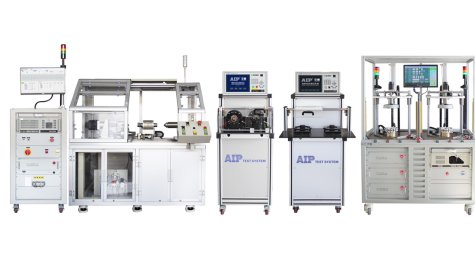
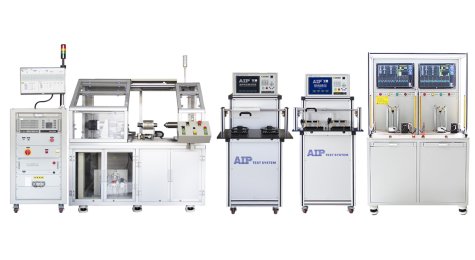
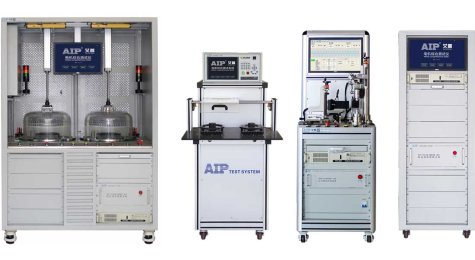
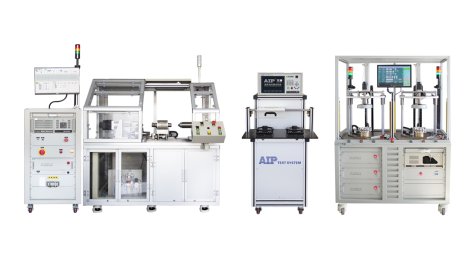
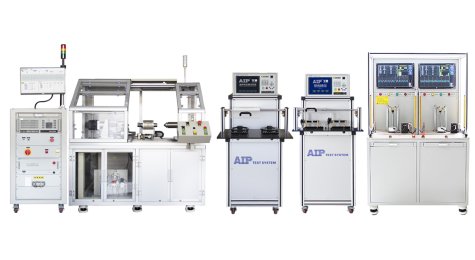
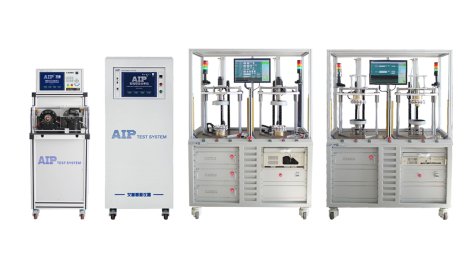
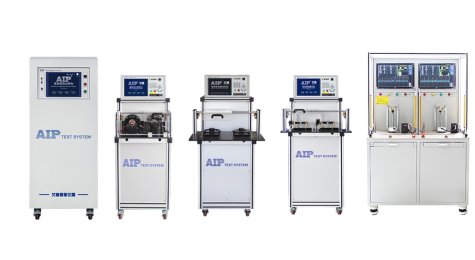
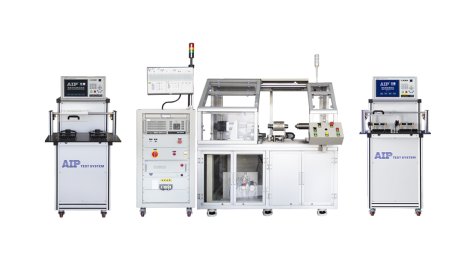
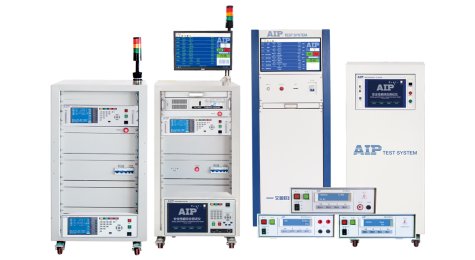
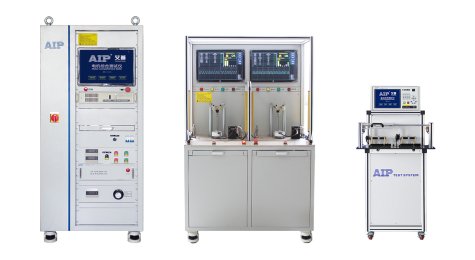
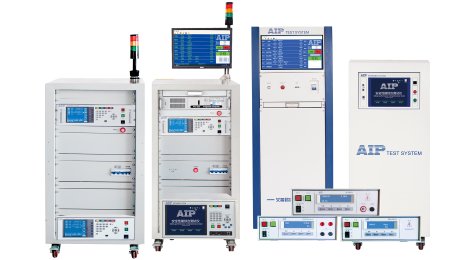
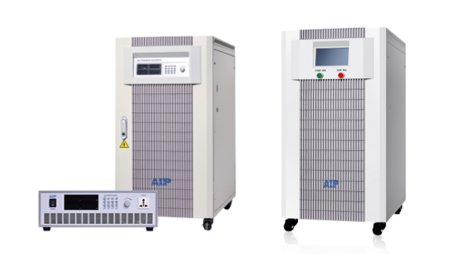
AIP specializes in global motor testing, providing comprehensive automotive motor testers for both drive motors and auxiliary motors. Our solutions support a wide range of core and optional test modules, enabling flexible customization for different applications and production stages.

Driven by continuous technological innovation and deep industry expertise, AIP helps manufacturers overcome motor testing challenges, ensuring product reliability and supporting the electrification and intelligent transformation of the automotive industry.

Automotive Motor Test Solutions

Ready to optimize your automotive motor testing process?

Whether you are developing next-generation EV drive motors or scaling production of automotive auxiliary motors, AIP delivers customized automotive motor test solutions and electric vehicle motor test solutions tailored to your technical requirements and production goals.

Contact AIP today to discuss your automotive motor testing needs and receive a professional consultation from our testing experts.